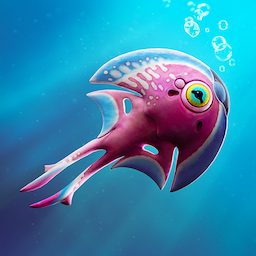
Тваринний світ
Усі істоти: статистика, поведінка та середовище проживання.
- Тваринний світ
- 86
- Хижаки
- 23
- Сидячий
- 38
- Точки відродження
- 11070
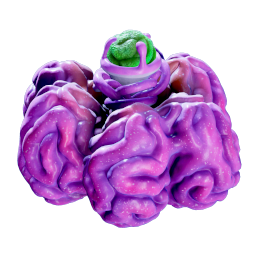
*Raion carbonica*. A colony of worms living inside a shared membrane, probably a sponge. Uses weak acid to digest prey. 1. Raion An organism defined as a sponge occupied by a colony of cloned predatory worms. This sponge is chambered, akin to Earth's extinct sphinctozoans; the chambers grow around a central pump. 2. Pressurized acid The raion's worms secrete weak acid as a digestive factor and defense mechanism. This acid is held under pressure by a plug in the raion's central pump. To avoid unwanted acid release, cut away the chambers before disturbing the central pump. 3. Volcanic origin? The acid raion may have originally evolved near a cold seep or a volcanic caldera. Acid-friendly biochemistry gave it a useful defense mechanism and feeding strategy to colonize other waters. 4. Medical gel The raion's central pump is partially plugged by a mass of worm residue; this keeps the pressure in the chambers high. This residue contains useful clotting factors and broad-spectrum antibiotics. Recommend collection. 5. Problematic genetics Spectrogenetic analysis indicates the host sponge and the resident worms contain partial copies of each others' genomes. This is a biological impossibility on Earth, and suggests that genetic inheritance functions differently on this world. Assessment: useful source of weak acid for batteries. Central plug contains medically relevant gel. Cut away chambers before removing central plug. Consult with your Noetic Advisor system to research optimum search areas.
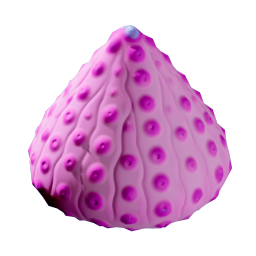
A glowing sponge (tentatively *Symphon aeroshell*) that resembles the cone of a heat shield on atmospheric entry. 1. Predation strategy The aeroshell feeds on microorganisms attracted to light, especially in dark caves where it can be mistaken for the sun. 2. Light source Instead of relying on symbiotic bacteria, the aeroshell generates its own light through oxygen-fueled reactions. This light is piped throughout its tissue by glassy fibers resembling those grown by Earth's glassy sponges - among the longest living animals known. 3. Symbiotic partner Often found associated with shootroots (hard-surfaced starfish-like organisms that burrow into the seafloor). The exact dynamics of the symbiosis are unknown. Await further updates. Assessment: useful light source in dark water. May provide interesting bio-optics reference.
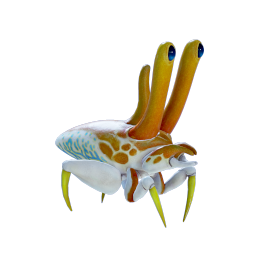
*Ostrakonskelos periskopion*, твердоногий перископ. Соціальний краб, що знаходить прихисток серед жалких актиній.
*Rotsac cherimoya*. A tunicate-like animal which collects alcohol from decaying matter to produce a creamy, flavorful mucus. 1. Cherimoya Named for its resemblance to the terrestrial cherimoya fruit (or custard apple). It can be eaten whole or sucked on through a straw; the exterior tunic is soft but the heart, nervous system, and other organs should be spat out. The rotsac contains mercury sulfide, which will eventually accumulate to dangerous levels in the human body. 2. Peculiar metabolism As a rough inverse of the lucifer rotsac, the cherimoya rotsac converts alcohols to sugars rather than decomposing sugars to alcohols. The cherimoya achieves this with a chemical pathway that does not occur on Earth. Aqueous cinnabar provides a source of mercury to oxidize alcohols into simple sugars. The cherimoya has no other behaviors: it simply stores sugars as it grows into a taut, full adult. 3. Symbiotic partner Because of its plentiful stored sugars, the cherimoya is a common symbiotic partner for organisms like the cage gorgon. 4. Enteric reproduction The cherimoya rotsac is gonochoric - either male or female. However, it does not release eggs or sperm into the seawater. Instead, its reproductive cells are eaten by organisms feeding on the cherimoya. They seek out other cherimoya rotsacs' gametes in the digestive tract of the host. The fertilized embryos are then expelled by the host organism, providing them with nutritious waste to bootstrap their growth. Assessment: edible. Your digestive tract may briefly become pregnant.
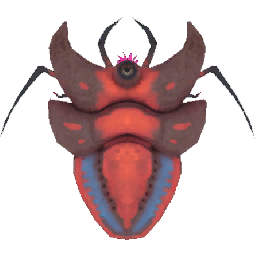
Багряна креветка — це пасивна фауна, каталогізована в Коралових садах. Поточні записи містять 5 підтверджених точок появи в 1 біомі в межах головної зони з центром кластера біля -3538 / 4267 / -46. До цього пасивного запису не додається бойова статистика, тому вікі-профіль зосереджується на розміщенні середовища проживання, спостереженнях за відродженням і класифікації загроз.
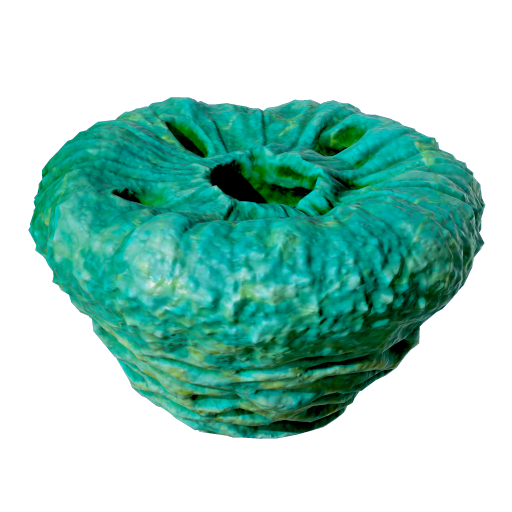
Donut of worms (tentatively *Raion donut*) without visible worms. 1. Normal state Just as terrestrial corals contain photosynthetic partners called zooxanthella, the donut contains a population of predatory worms. 2. Disturbed state Just as terrestrial corals sometimes expel their partners when under stress, this donut raion has discharged or killed its population of worms. (Alternatively, they have left in search of a better host.) This may be a reproductive strategy, a defensive reaction to the worms turning on and feeding upon the sponge, or a response to environmental stress. Assessment: unclear how long the donut can survive without its primary food supply. Terrestrial corals survive only days to weeks after bleaching.
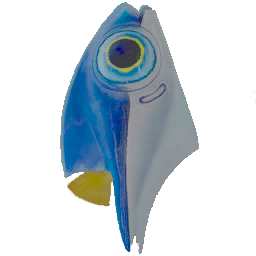
Fish School Flutter Tail — це пасивна фауна, зареєстрована в бункері колоністів, коралових садах, цвинтарі та ще 3. Поточні записи містять 213 підтверджених точок появи в 6 біомах, на карті розробки за замовчуванням, головній, зоопарку PCG і ще 2 зонах, з центром кластера біля -1906 / 2502 / -26. До цього пасивного запису не додається бойова статистика, тому вікі-профіль зосереджується на розміщенні середовища проживання, спостереженнях за відродженням і класифікації загроз.
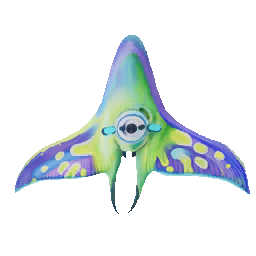
Fish School Mirrorhalfmoon — це пасивна фауна, зареєстрована в бункері колоністів, коралових садах, плато та ще 1. Поточні записи містять 186 підтверджених точок появи в 4 біомах, на Default Devmap, Gameplayzoo Stimuli, Main та ще 3 зонах, з центром кластера біля -1628 / 2060 / -20. До цього пасивного запису не додається бойова статистика, тому вікі-профіль зосереджується на розміщенні середовища проживання, спостереженнях за відродженням і класифікації загроз.
Giant Tube Salp is fauna catalogued from the current creature data. No combat stat block is attached to this entry, so the wiki profile focuses on the structured habitat and spawn facts available.
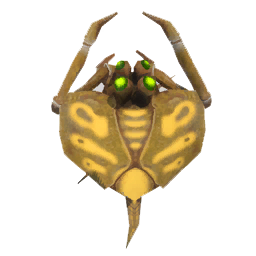
Сарана — пасивна фауна, зареєстрована в руїнах Аксума, коралових садах, кладовищі та ще 1. Поточні записи містять 137 підтверджених точок появи в 4 біомах у межах головної зони з центром кластера біля -2908 / 4516 / -147. До цього пасивного запису не додається бойова статистика, тому вікі-профіль зосереджується на розміщенні середовища проживання, спостереженнях за відродженням і класифікації загроз.

Tentatively *Rotsac lucifer*, the light-bringing rotsac. A tunicate-like animal which ferments decomposing biomatter inside its body. 1. Hidden body The rotsac's larval swimming body transforms into a spherical adult form. Because fermentation does not require oxygen, the rotsac actually stops breathing as it matures. 2. Swollen with hydrocarbons The rotsac contains isoprene, useful for fabricating rubber and lubricant. High diacetyl levels give the rotsac a strong caramel funk. 3. Bioluminescence Glow may attract animals (especially sun-seeking microorganisms) to defecate or die on the rotsac. Bioluminescence seems to play an important role in this world's ecology. Regular experiments with light reactions are advised. 4. Symbiote Often found glued to the cradle shootroot, an unrelated species of starfish-like bottom-dweller that provides the rotsac with an anchor while it grows. Assessment: useful source of organic polymers for rubber and oil. Consult your Noetic Advisor to research optimal search areas.
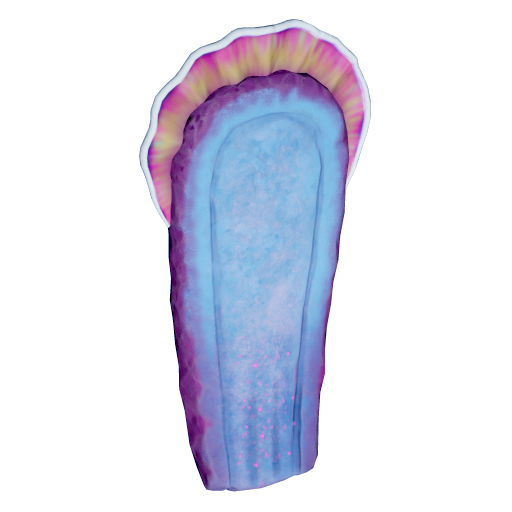
*Symphon macaron*. A sponge that has developed a disc of flagellated feeding cells. Named for the dessert sandwich cookie (not available in current fabricator settings). 1. Hardened plates Instead of a sponge's normal inner and outer layers, the macaron develops two hard plates of pinacoderm. These anchor the feeding disc to a holdfast. 2. Feeding disc The sponge's mesohyl (internal jelly) has specialized into feeding disc, with tentacled cells that pull particles from the surrounding seawater. This leaves the delicate jelly vulnerable to predators and parasites. 3. Hostage exchange The feeding disc hosts the larvae of sponge-eating organisms in its pores. By providing a shelter and habitat for their young, the macaron may buy itself a degree of safety and defense. (These larvae are themselves tempting prey for many species.) 4. Unusual protein expression Many of the cells in the feeding disc express proteins also found in the hosted larvae. This may be a recognition signal to attract the desired species. ASSESSMENT: Inedible despite name. Await further updates.

*Mango kestros* — акула-метальниця. Ця територіальна хижачка здатна вистрілювати ікла з урановим вістрям зі швидкістю до двадцяти метрів на секунду.
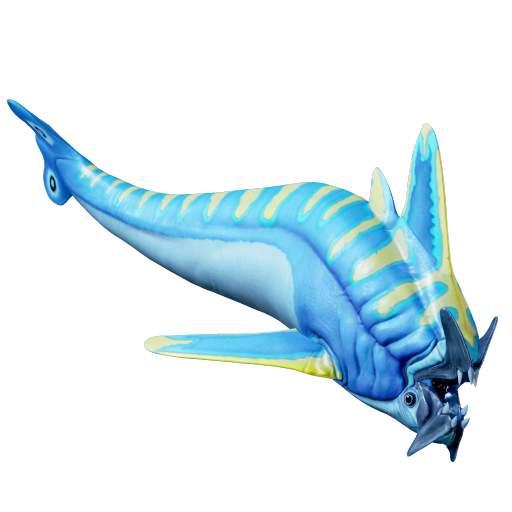
Гризуча акула — велика хижа фауна, зареєстрована в Бункері колоністів, Коралових садах, Плато та ще 1. Поточні записи містять 13 підтверджених точок відродження в 4 біомах у межах головної зони з центром кластера біля -3348/4197/-29. Записане налаштування істоти містить 100 HP і 500 максимальної швидкості плавання. Дані про рух містять 8 рядків поведінки.

Scourge Hive is fauna catalogued from the current creature data. No combat stat block is attached to this entry, so the wiki profile focuses on the structured habitat and spawn facts available.
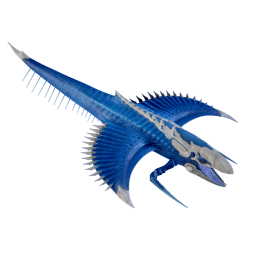
*Skythopterygion atropos*, вершитель доль з плавцями у формі коси. Самець статево диморфного виду велетів-хижаків, що живуть у відкритих водах і полюють зграями (або косяками).
Snorkleback (Adult) is fauna catalogued from the current creature data. No combat stat block is attached to this entry, so the wiki profile focuses on the structured habitat and spawn facts available.
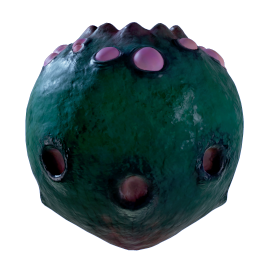
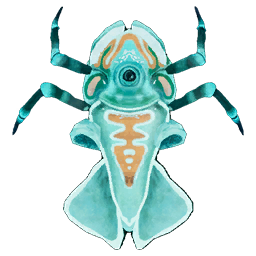
Teal Cycloplet — пасивна фауна, каталогізована в Коралових садах. Поточні записи містять 29 підтверджених точок появи в 1 біомі в межах головної зони з центром кластера біля -3462 / 3982 / -49. До цього пасивного запису не додається бойова статистика, тому вікі-профіль зосереджується на розміщенні середовища проживання, спостереженнях за відродженням і класифікації загроз.
The titan-class organism on the eastern horizon pushes the boundaries of planetbound life.
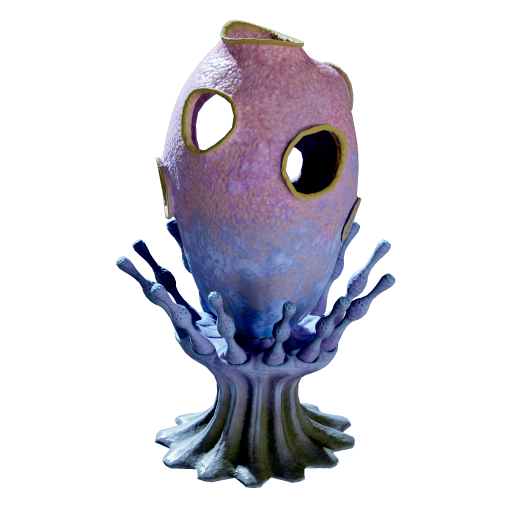
*Symphon amphora*. A sponge adapted to colonize — and create — air pockets. 1. Amphora-shaped structure Like all sponges, the amphora requires constant flow through its pores to survive, but it pumps air rather than water. Contraction and expansion forces moist air through the sponge's pores. Absorbent surfaces harvest water and carbon dioxide from the air. Waxy coating helps prevent water loss. 2. Radiolytic metabolism The soft blue glow of the sponge is bioluminescence fueled by radioactive minerals in the sponge's vanes (the structures growing from the anchoring rhizoid). This radiation splits water into hydrogen and oxygen. The gases gather in the cave ceilings the amphora prefers to colonize, creating pockets of knallgass (unmixed hydrogen and oxygen). Though breathable, this air is highly flammable and an explosion risk. The sponge's symbiotic bacteria feed on the hydrogen and oxygen, producing energy and water. The sponge uses this energy to fix carbon from the air and grow, as an Earth plant would. Assessment: a remarkable step. The amphora sponge may evolve an entire lineage of dry-land sponges, colonizing niches filled by plants and fungi on Earth. Indicates the presence of an air pocket. Swim up to breathe. Do not ignite flares or discharge electrical devices in the pocket.
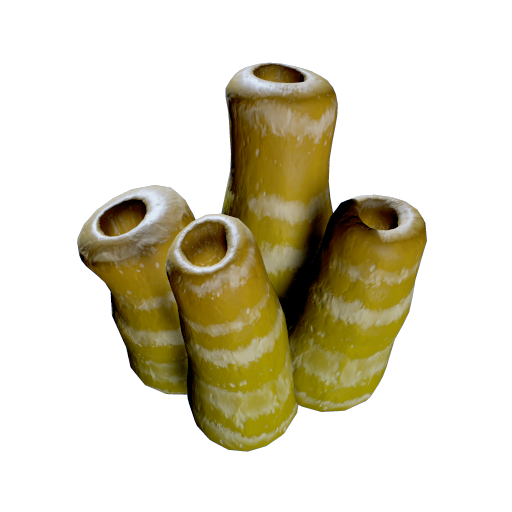
*Symphon apokalupsis*. An unassuming button-shaped sponge that may be an omen of mass extinction. 1. Simplicity Among the earliest animal forms on Earth, sponges are a group of cells that live between two membranes and work together to pump water. Sponges on this world are similarly elegant. 2. Tolerance Due to this simplicity, sponges tolerate low oxygen and high temperatures better than many other organisms. They also benefit from elevated death rates, which floods the water with decaying matter. 3. Role in mass extinction Biospheres dominated by sponges may be an indicator of a recent or ongoing mass extinction. After Earth's first major die-off during the Ordovician period, some 85% of species went extinct, leaving a world ruled by sponges. The popular existential terror franchise "Life Is Only Pulse" is set in a fictionalized version of this time period. Assessment: possibly a warning sign of planetwide ecological collapse. Possibly not.
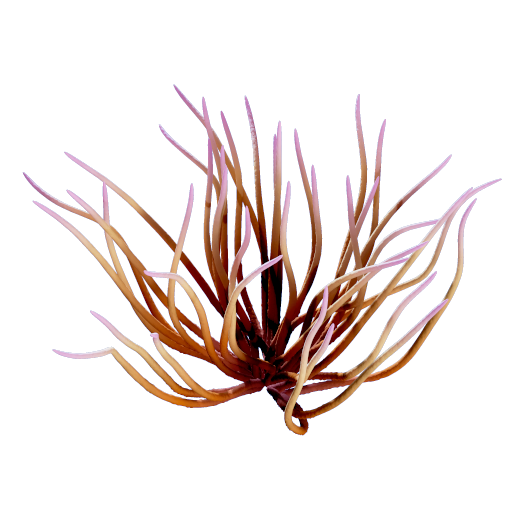
*Gorgon mastix*, the whip gorgon. A soft coral similar to the earthly gorgonians — it lacks the hard limestone shell of a true reefbuilding coral. 1. Earthly namesake Named for the extinct *Leptogorgia virulata*, Earth's sea whip. Like the sea whip it is a predator, and it must defend its soft body from parasites and predation. 2. Spine defenses Unlike the terrestrial sea whip, which developed a chemical arsenal to repel unwanted contact, the whip gorgon colony has developed specialized 'soldier' polyps which migrate to the surface and develop a brittle spine. When disturbed, this spine snaps off, releasing the soldier's payload of toxins. It is impossible to project the effects of this sting on colonists, but mechanical similarities to the infamous Australian gympie-gympie plant suggest negative outcomes ranging from chronic agony to total sleep deprivation lasting weeks to years. 3. Carnivorous diet 'Civilian' polyps in the whip gorgon use their stings to kill and digest microscopic prey. They lack the brittle spine and powerful toxins of the soldier polyp. ASSESSMENT: Avoid contact. Consider pruning back with hand tools.
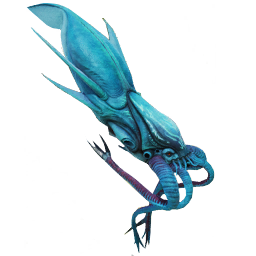
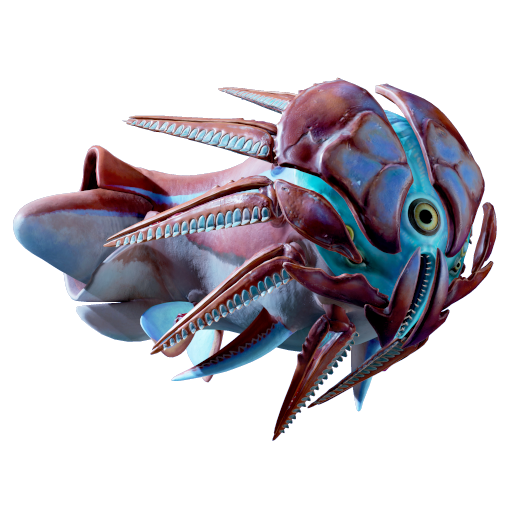
Величезний головоногий хижак (робоча назва — *Tyrannoteuthis phobocoeus*, страхітливо допитливий тиранічний кальмар). Полює на організми з твердим екзоскелетом і розвиненими механізмами захисту. Веде усамітнений спосіб життя. Украй розумний. Імовірно, глибоководна істота. 1. Кальмароподібна анатомія Будова тіла збирача нагадує земних кальмарів: видовжена мантія та група кінцівок, з'єднана безпосередньо з головою. Мантія захищена пластичним панциром. На відміну від земних кальмарів, збирач має чотири довгі мацаки з рухливими кігтями для захоплення здобичі. Вісім допоміжних кінцівок зосереджені в ротовій зоні. 2. Потужний сифон Роботу заднього сифона реактивного руху забезпечують два масивні бризкальця. Вони відокремлені від чотирьох зябрових щілин на голові, що дає тварині змогу розмежовувати частоту дихання й реактивне прискорення. Два периферійні серця нагнітають кров від зябер до центрального серця. 3. Важка здобич Неабиякий дзьоб (здатний пробити титанову пластину) і чотири рухливі мацаки з гострими біоскляними кігтями можуть свідчити про те, що збирач спеціалізується на ламанні міцних панцирів. Серед імовірної здобичі — коралові краби й пащеки. Складність методів полювання призвела до розвитку допитливої та агресивної поведінки. 4. Акустичний транслятор Масивний багатокамерний орган діє за принципом гідролокатора з фазованою решіткою. Наявність багатьох точок виходу та рецепції звуку дає збирачеві змогу передавати складні, багатошарові сигнали. Орган має густу іннервацію, що з'єднує його з тороїдальним мозком. Характер біолюмінісцентного мерехтіння може прямо відображати мозкову діяльність збирача. 5. W-подібні зіниці У яскравому світлі зіниця деформується, набуваючи форми літери W. Ця ознака спостерігалася в земних головоногих, проте її точне функціональне призначення так і не вдалося визначити до голоценового колапсу. 6. Глибоководний гігантизм Глибоководні організми часто схильні до аномального розростання — явища, знаного як глибоководний гігантизм. Висновок: високий інтелект і допитливість, що сформувалися під впливом важкодоступного й різноманітного раціону. Цікавість цих хижаків до своїх жертв межує з жорстокістю. Малий глибоководний човен або оселя можуть зацікавити збирача.
Veps Defender is fauna catalogued from the current creature data. No combat stat block is attached to this entry, so the wiki profile focuses on the structured habitat and spawn facts available.
Veps Sensor is fauna catalogued from the current creature data. No combat stat block is attached to this entry, so the wiki profile focuses on the structured habitat and spawn facts available.
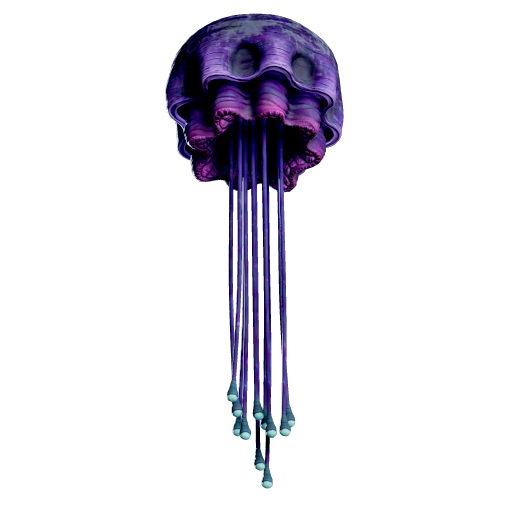
*Salp pendulous*. A sticky, suspension-feeding predator that captures organisms from the current. 1. Salp-like biology Like Earth's salps, this is a colony of zooids — tiny, cloned animals (in this case tunicates) — that form a long, tube-like pump. The salp draws in water to filter for plankton. 2. Hard holdfast The holdfast that anchors the feeding string is secreted by the same zooids that make up the rest of the organism. Spectrogenetic analysis detects proteins similar to those expressed by reefbuilding sponges and corals. 3. Bloom response Terrestrial salps can reproduce very quickly, allowing them to grow with—and devour—sudden blooms of algae. If the algae bloom is too dense, the salps may clog. Assessment: may be a useful indicator of ecological stress. Await further updates.
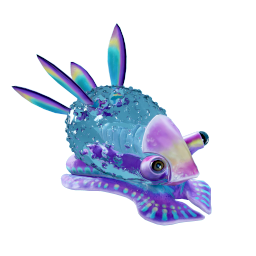
Водяний слимак (робоча назва — *Seaslug hydroclast*). Біологічна загадка, що опріснює морську воду. 1. Мікробний паливний елемент Опріснення морської води потребує значних енерговитрат. Проте водяний слимак здійснює цей процес, можливо, як побічний продукт роботи внутрішнього мікробного реактора, що живиться органічними відходами з морської води. 2. Резервуар прісної води Від швидкого зневоднення в солоній воді слимака захищає гідрофобна пластична бульба. 3. Планктонна ферма У водяній бульбі слимака мешкає надпродуктивний вид планктону, що перетворює світло на їжу. Прісна вода може бути необхідна для виживання цього планктону або ж являти собою своєрідну «в'язницю», що не дає йому покинути організм носія. 4. Вампірська аура Розвинений дзьоб водяного слимака має гостру різальну поверхню. Можливе еволюційне минуле як паразита або коменсала, що під'єднувався до кровообігу носія та відфільтровував токсини. Висновок: єдине в околиці доступне джерело питної води. Рекомендовано перед вживанням провести термічну обробку у виготовлювачі. У разі проблем з нирками розгляньте можливість дозволити водяному слимакові живитися вашою кров'ю.
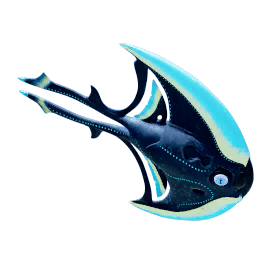
Waxmoon — хижа фауна, зареєстрована в руїнах Аксума, бункері колоністів, коралових садах і ще 1. Поточні записи перераховують 15 підтверджених точок появи в 4 біомах у межах головної зони з центром кластера поблизу -2341 / 4282 / -143. До цього запису не додається блок бойової статистики, тому вікі-профіль зосереджується на доступних фактах про структуроване середовище існування та відродження. Дані про рух містять 6 рядків поведінки.
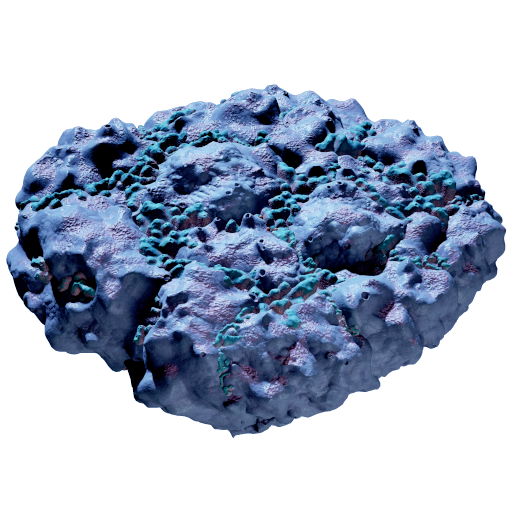
*Sporal psephos*. A moiety (two paired species) of a sponge and a coral. Possibly a single chimeric organism. 1. Reefbuilding Reefbuilding on this world seems to be carried out by a range of sponge-coral pairings. In hard corals, the sponge has lost its ability to feed independently and provides a hard shell for the corals. In this organism, the relationship is reversed: the coral polyps grow a hard surface shell, while the sponges continue to pump water. Because the hard shell blocks the sponges' pores, they work in pairs, with one inhaling through its osculum and one exhaling. 2. Dome coral association Frequently found on the surface of the larger dome coral, blocking patches of its surface from receiving sunlight. This may be an opportunistic/parasitic relationship. 3. Confusing genetics Both coral polyps and sponge cells seem to carry the full genome of both organisms, blurring the definition of a species. It is unknown how a single organism can contain genomes for two biologically distinct species; the two cannot reproduce sexually to combine their genes. Assessment: interesting data point.
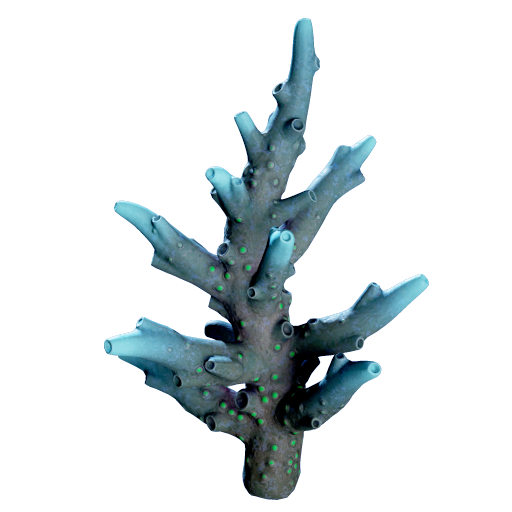
*Hecaton tunic*. Named for the hundred-handed hecatoncheires of Greek myth. A complex of animals undergoing competitive sex differentiation. 1. Anatomy Each pore on the surface of the hecaton is the mouth of a tunic, a complex filter-feeding animal. The colony's branching structure allows each tunicate acces to the water so it can breathe and eat. Each tunic grows a flexible, semi-hard polyvinyl shell which merges with the neighbors' tunics, defending the entire colony. 2. Growth patterns Analysis suggests the colony begins as a single stem of identical tunicates cloned from an embryo. More successful tunicates become large and sexually mature, starting new arms of the colony and developing their own eggs. Less successful tunicates are driven to the ends of the arms, where they shrink and develop a teal bioluminescence. 3. Viral reproduction The less successful tunicates do not release sperm. Instead, they are heavily infected by a strain of large RNA virus in the seawater. The majority of the tunic's genome consists of copies of this virus insert by retroviral action. How the hecaton tunic fertilizes eggs is therefore unclear—it seems to lack sperm cells. Assessment: reproductive enigma. Await further updates.
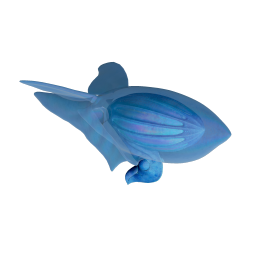
*Hycean hycean*, дивовижний летючий хижак, назва якого походить від планет із водневим (гідрогеновим) небом і водяним океаном.
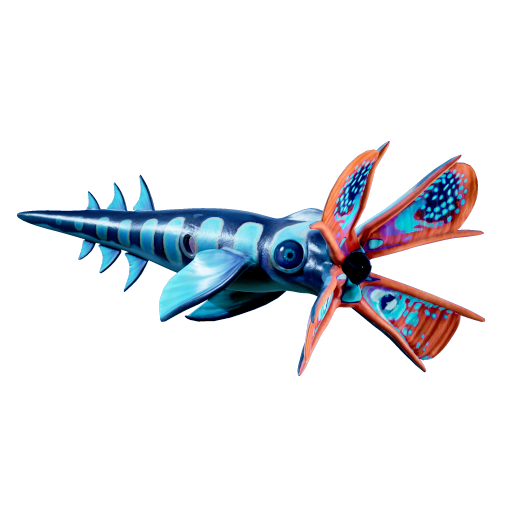
Гончак (робоча назва — *Teuthis courser*). Кальмар, що дезорієнтує здобич перед атакою костолама. 1. Кальмароподібне тіло Будова тіла типова для земного кальмара: дзьобата голова, вісім кінцівок, довге м'яке тіло, пара плавців. Проте ускладнена будова останніх указує на іншу еволюційну історію, аніж у безхребетних земних кальмарів. Два бризкальця женуть воду до внутрішніх зябер. 2. Камуфляжне забарвлення Між вісьмома кінцівками гончака натягнуті чотири широкі мембрани. Він розгортає їх перед жертвою, і мерехтіння мільйонів хроматофор створює «піксельний» камуфляж, що допомагає непомітно підібратися до здобичі впритул. 3. Партнерство з костоламом Хоча гончаки уособлюють ідеальну здобич для костолама, ці два види часто полюють разом. Гончаки виманюють здобич зі схованки, відвертають її увагу й власною активністю позначають для костоламів, які мають кепський зір. За це гончакові дістаються залишки обіду, тож що більша здобич, то вигідніше таке партнерство для нього. 4. Потужний дзьоб Дзьоб гончака, схожий на папужий, шматує твердішу здобич. Це життєво необхідно, адже все, що ковтає гончак, проходить безпосередньо крізь центр його мозку. 5. Гіпотетична соціальна структура Зграї гончаків мусять знаходити для своїх костоламів гідну здобич, інакше самі ризикують стати їхньою їжею. Натомість костолами мають залучати ефективні зграї гінчаків, віддаючи їм більшу частку впольованого. Гончаки стимулюють костоламів полювати на дедалі більшу здобич. Цей постійний процес балансування між гончаками й костоламами є наочним підтвердженням слогану «Фундації Альтерри»: «кожному конче треба потребуватися». Висновок: поява гончаків може свідчити про неминучий напад костолама. Імовірно, розумні. Можливо, піддаються дресуванню.
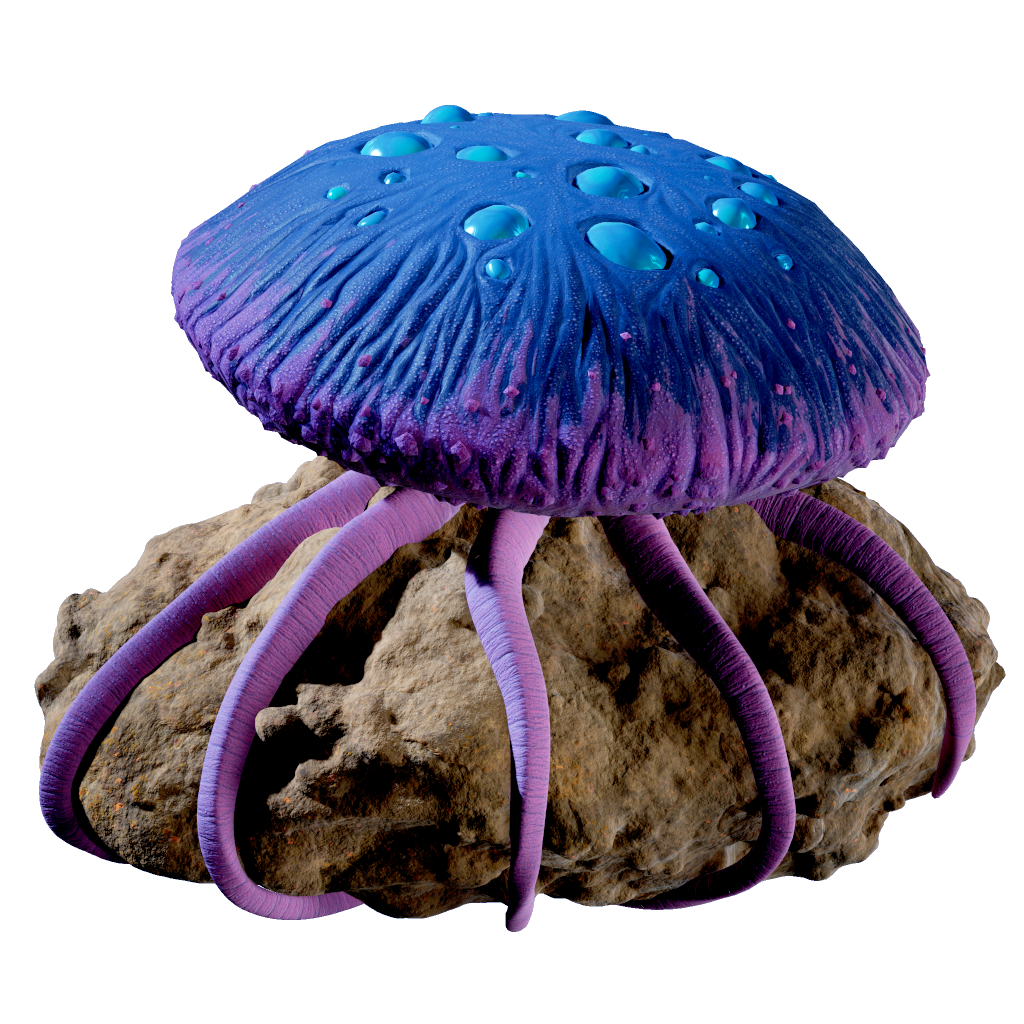
*Dactylbrachia gigas*, гігантська пальценога медуза. Масивні створіння, які не мають земних аналогів.

Електричний жорді (робоча назва — *Salpapod geordiwangi*). Родич або різновид звичайного жорді. Його приваблює електричний струм. 1. Електротропізм Електричні жорді активно шукають джерело струму. Вони здатні витримувати значну напругу, тому краще не намагатися відірвати їх руками чи інструментами. Коротке замикання може як убити саму істоту, так і вивести з ладу всю енергосистему. 2. Заповнені гелем шлунки Чотири шлункові камери електричного жорді заповнені гідрогелем, схожим на слиз у так званих ампулах Лоренцині — електромагнітних рецепторах деяких земних риб. За допомогою цих камер жорді здатні відчувати електричні імпульси здобичі, що заховалася, або знаходити в донному мулі струмопровідні бактерії. Струм від приладів стає для них гіперстимулом, непереборною принадою. 3. Електричний метаболізм Це малоймовірно, але таки можливо, що жорді навчилися засвоювати електричний струм як їжу. Будь-який органічний обмін речовин — це, по суті, процес перенесення електронів, а пряме живлення електрикою раніше вже зустрічалося на штормових планетах і у формах життя, що існують у вакуумі. Висновок: украй небезпечний шкідник для електричних та комунікаційних систем. Для контролю чисельності можуть знадобитися спеціальні приманки.
Жорді (робоча назва — *Salpapod geordie*). Усеїдна, здатна до реактивного руху істота, що еволюціювала з організму, котрий нагадував костистого восьминога. 1. Універсальна щелепа Твердий ротовий апарат жорді здатен здирати водорості з каміння, трощити дрібних ракоподібних, виривати фрагменти коралових рифів та зрізати оберемки ламінарії. 2. Чотири плавці Імовірно, розвинулися з костистих кінцівок. Вони забезпечують маневрування й містять чотири шлункові камери. 3. Дивертикулярні шлунки Кожна кінцівка-плавець містить травну камеру з бактеріями, спеціалізованими під різні типи раціону. Плавальні рухи сприяють перемішуванню та перетравлюванню їжі. 4. Центральний сифон Центральний канал вистелений жалкими клітинами, що вбивають дрібну морську фауну (уникайте контакту зі шкірою). М'язові скорочення забезпечують рух за рахунок реактивної тяги. 5. Тороїдальна нервова косичка Нервова косичка жорді скручена довкола сифона, мов бублик. Тороїдальна структура мозку може мати цікаві еволюційні наслідки для більших організмів Висновок: їстівний, хоч і містить високу концентрацію важких металів. Рекомендовано вживати в їжу після обробки у виготовлювачі.
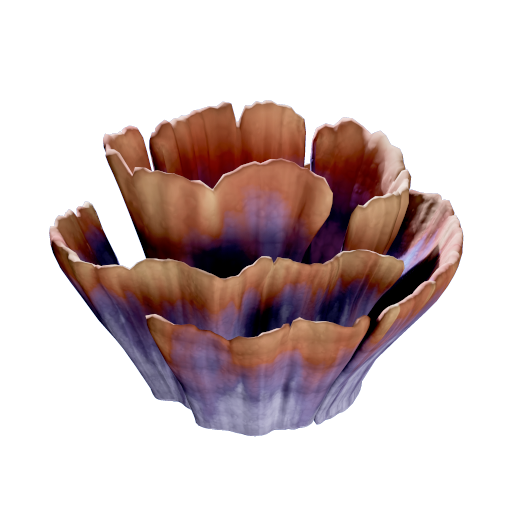
*Gorgon aulaia*. A soft, predatory coral akin to Earth's gorgonians, especially the Venus fan. 1. Sponge-coral moiety Like Earth's brown tube sponges (*Agelas schmidti*), soft corals on this world are a colony of coral polyps growing within a matrix of sponge tissue. In this specimen it is very difficult to distinguish the sponge's jellylike inner tissue (or mesohyl) from the soft coenenchyme which connects the coral polyps. 2. Ribbons of tissue The curtain gorgon forms a long, low-lying fan of tissue which catches prey. The curtain gorgon is an obligate predator and cannot survive on sunlight, but some specimens are colonized by chemotrophic bacteria which may provide the gorgon with extra energy. 3. Plasticized skeleton The gorgon's skeleton is chemically similar to PVC (polyvinyl chloride, an obsolete industrial plastic). Assessment: indicates the presence of plankton and other small sea life.
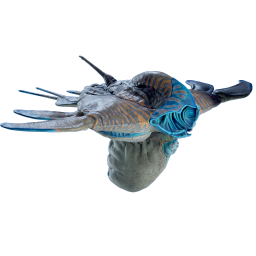
*Titanotagmatapterya amalthea*, титанічний крилосегментований кубок достатку. Масивний артропод із величезним роздиральним дзьобом і вантажем жировмісних відкладів, які він використовує і для захисту своїх яєць, і як поживу для них.
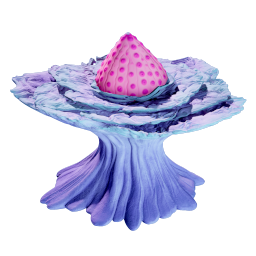
*Shootroot cabbage*. A robust bottom-dwelling organism anatomically similar to a plastic starfish, or to an opened variety of Earth's extinct blastoids. 1. Animal anatomy The cabbage shootroot's upwards-facing mouth is surrounded by outstretched arms. These arms are hard, tightly grouped, partly calcified, and covered in a tough biopolymer characteristic of other shootroots (tentative name: polyproteovinyl). These arms produce the cabbage-leaf texture that gives the shootroot its name. 2. Seabed burrowing A second set of arms uses ribbons of the same tough biopolymer to dig into the seabed, stirring up sediment and expanding cracks in rock. This is a difficult and metabolically expensive process, but it is a niche with little competition. 3. Symbiote kiss The cabbage shootroot does not use its mouth to eat, or its hard leaflike arms to feed. These surfaces seem to be reserved for a symbiotic partner. The cabbage shootroot uses its mouth to transfer nutrients gathered by its roots to the symbiote, and to receive a trickle of food or chemistry in exchange. 4. Circular nerve cord Like all shootroots, the cabbage shootroot is notable for its expression of a circular nerve cord. Assessment: do not sit. You may receive nutrients.
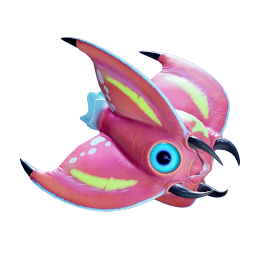
Квадратник (робоча назва — *Salpapod tetragnatha*). Хижий родич або різновид звичайного жорді. 1. Подібність до жорді Має ідентичну з жорді анатомію, але замість універсальної, як у жорді, щелепи розвинув чотири гострі ікла. 2. Хижацький раціон Квадратник угризається в живу плоть і харчується кров'ю та серозною рідиною. Його важко відірвати, не травмувавши носія. Рекомендовано застосувати світло або тепло, щоб змусити паразита від'єднатися добровільно. 3. Вампірський фермент Антикоагулянт у слині заважає крові жертви згортатися — так само, як глікопротеїн дракулін у земних вампірових кажанів. Такий же фермент мають водяні слимаки. Можливо, їм він дістався через ретровірус. 4. Надмірна чисельність квадратників Квадратники сильно виснажують місцеву фауну. Це свідчить про скорочення або вимирання видів, які раніше регулювали їхню чисельність. Альтернативна гіпотеза: жорді страждають від голоду й перетворюються на квадратників у пошуках нових способів харчування. Висновок: тривале перебування паразита на тілі може спричинити серйозне, ба навіть фатальне зневоднення. Необхідно видалити особину найбезпечнішим із доступних методів. Рекомендовано знімати квадратників з інших організмів для перевірки соціальної реакції.
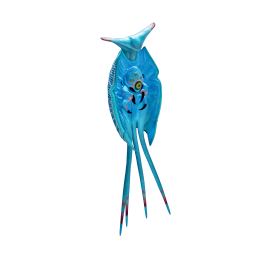
«Наші ОЕП указують на такі організми, як кератекан, і вигукують: "Погляньте! Незвіданий еволюційний шлях!" Бо ж на Землі черепашкові раки — це крихітні жителі слизових поверхонь, тоді як на Протеї вони виростають величезними.
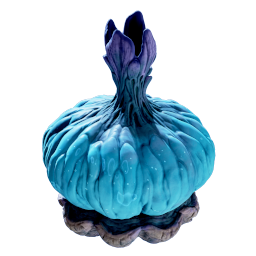
*Tunic aeolian*. A bizarre animal that splits seawater into hydrogen (on which it feeds) and oxygen (which it releases). 1. Tunic Like Earthly tunicates, this is a complex animal with a heart, nerve chord, and a flexible exterior shell (the tunic). 2. Radiolytic metabolism At the heart of the oxygen tunic is a nugget of radioactive metal such as uranium, radium, or thorium. Radiation from this nugget splits water into hydrogen and oxygen through radiolysis. The oxygen tunic retains the hydrogen to feed an internal colony of sulfur-reducing bacteria, and releases the excess oxygen. 3. Blue glow Cherenkov radiation from the core excites radioluminescent pigments in the tunic, producing a distinctive blue glow. This may be a warning to would-be predators that the oxygen tunic releases poisonous quantities of oxygen. 4. Implications for life on this world The oxygen tunic's metabolism suggests that this world has an energetic geology and a biosphere adapted to use radiation as a food source. It also has interesting implications for life without sunlight. On Earth, even deep-sea vents depend on oxygen produced by photosynthesis. No such dependency exists here. Assessment: emergency oxygen source for divers. Beware that repeated use could lead to radon buildup, with serious health risks including cancer.
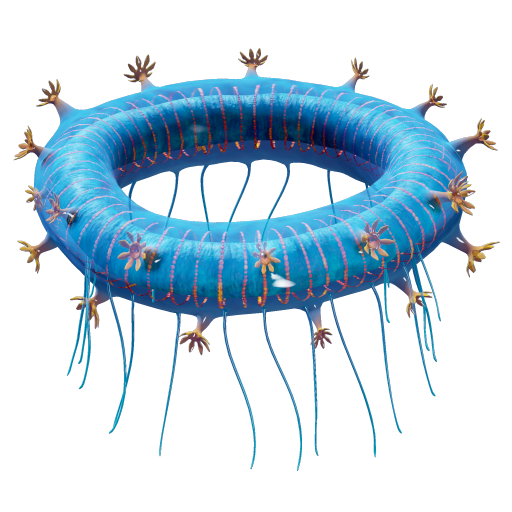
Кільцева медуза (робоча назва — *Thermodont sufganiyah*, теплолюбний желейний бублик). Не справжня медуза, але така ж драглиста всередині. Живиться теплом і хімічним коктейлем гідротермальних джерел.
Кільцева медуза (робоча назва — *Thermodont sufganiyah*, теплолюбний желейний бублик). Не справжня медуза, але така ж драглиста всередині. Живиться теплом і хімічним коктейлем гідротермальних джерел.
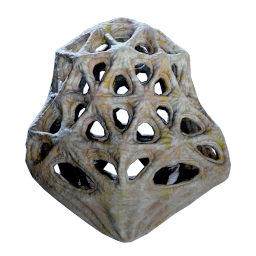
*Gorgon thalamiskos*. A predatory soft coral named for its resemblance to Earth's gorgonians. 1. Sponge-coral moiety Like hard corals on this world, gorgons are sponges inhabited by cnidarian polyps — tiny jellyfish like organisms which live within the sponge and direct its growth. Unlike hard corals, they do not produce a limestone structure or host photosynthetic microbes. They are pure predators. 2. Caged friend The cage gorgon specializes in capturing and protecting a symbiotic partner, which attracts prey for the gorgon to sting and eat. The cage gorgon larva probably adheres to a partner (such as a cherimoya rotsac) and then grows around it, eventually fastening the partner to the seafloor. 3. Duplex larva The free-swimming reproductive stage of the cage gorgon carries cells of a host sponge, like seeds. These seeds are genetically distinct from other sponges in the ecosystem, suggesting the cage gorgon is monogamous with only a single host sponge. Assessment: cutting open the cage gorgon allows access to the symbiotic partner and carries no risk of inflicting pain or suffering. The cage may attract a new partner before healing, or survive while empty.
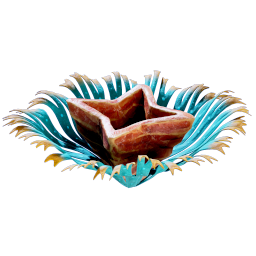
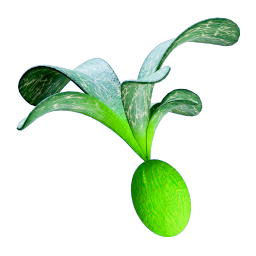
A basket-shaped organism (tentatively *shootroot cunabulum*) with no clear Earthly analog. Anatomically similar to a plastic starfish, or to an opened variety of Earth's extinct blastoids. 1. Animal anatomy The flattened, fibrous 'leaves' are the arms of an animal loaded with photosynthetic symbiotes. The central structure houses a digestive system and a hard, sticky cradle (the cunabulum). A second ring of arms grows into the seabed, seeking crevices in the rock. 2. Preferred symbiote The cradle is an exchange site with a symbiotic partner (such as the lucifer rotsac). Spectrogenetic analysis suggests the cradle shootroot is younger than the rotsac. It may have originally parasitized free-floating lucifer rotsacs, before evolving a niche as an anchor: providing a refuge and minerals to the rotsac in exchange for a share of the rotsac's fermented food. 3. Plastic fibers Although it lacks the true cell walls of Earth plants, the cradle shootroot strengthens its tissues with bioplastic fibers. Too tough to cut by hand, they could be severed by a cutting tool. Assessment: tough fibers could be used to synthesize fabric, possibly food.
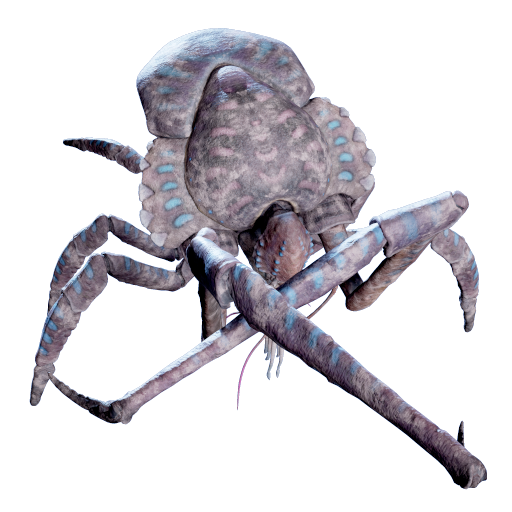
Величезний краб (робоча назва — *Ostrakonskelos anaktoraphore*, твердоногий палацоносець), що ховається серед коралових куполів. 1. Крабоподібна будова тіла Передні кінцівки пристосовані до розгрібання дна та видобування їжі, яку далі захоплюють розташовані навколо рота довгі м'які максиліпеди (ногощелепи). Для росту організму необхідне регулярне линяння. 2. Кораловий купол Живий кораловий купол, відокремлений від рифового субстрату й адаптований для носіння. Він забезпечує камуфляж, захист і, можливо, править за інкубатор для малечі. Чи залишаються ці особини вірними одному й тому ж куполу, чи міняють куполи, виростаючи? 3. Імовірний хижак Рівень захисту й поведінка особини вказують на існування достатньо сильного й вправного хижака, щоб він міг витягувати краба з купола й розколювати його масивний екзоскелет. 4. Вірусна активність Геном містить великі повторювані ретровірусні вставки, зокрема, фактори росту нервової тканини та пігменти черепашки. Молекулярний годинник указує на їхню нещодавню появу. Клітини спинного відділу краба містять значні сегменти геному поліпів коралового купола. 5. Великий мозок У коралового краба немає спинної нервової косички. Великий мозок, розташований над очима, відповідає за сенсорне сприйняття та планування поведінки, натомість периферійна нервова мережа контролює кінцівки й травну систему. 6. Сейсмічна комунікація Коралові краби передають одне одному сигнали за допомогою стуку по морському дну. Клацання клешнями, імовірно, свідчить про інтенсивне збудження або стрес. Деякі земні краби шукають партнерів для формування пари безпосередньо перед линянням — поведінка, відома як «тримання за руки». Виявлення аналогічних патернів у цьому світі може стати емоційно значущим досвідом. 7. Ознаки екологічного стресу Дефіцит мінералів та грибкові інфекції свідчать про наявність несприятливих чинників довкілля. Висновок: боїться вас, мабуть, набагато більше, ніж ви його. Будьте з ним обережні й шанобливі. Інтелектом ця особина точно не поступається земній горилі. Можливе джерело цінних копалин. План дослідницьких робіт: з'ясуйте, чи переносить краб свій купол у краще освітлені або багатші на поживні речовини місця.
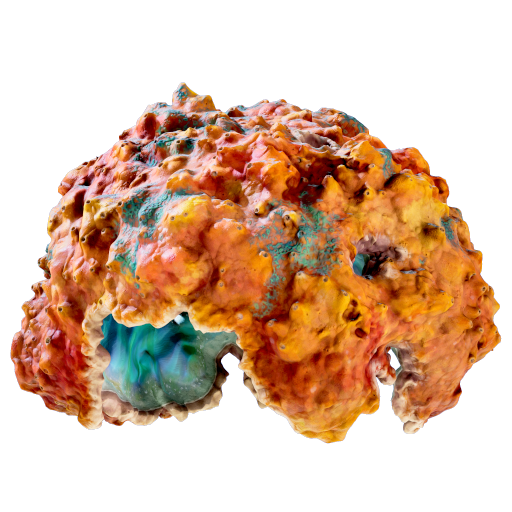
*Coral geodesica*. The defining feature of its shallow biome. 1. Coral analog Like Earthly coral, the dome is a colony of polyps, small jellyfish-like animals that secrete a limestone skeleton. This process uses dissolved carbon dioxide from the seawater: corals are therefore an important method of climate regulation, since they transform atmospheric carbon into hard limestone. 2. Dual feeding strategy The dome's outer surface feeds on sunlight, using photosynthetic symbiotes known as zooxanthellae. As the dome grows, the colony clears its interior, recycling the limestone for reuse. Polyps on the inside of the dome hunt with stinging tentacles. 3. Mineral expulsion As the dome grows, it collects and expels mineral waste, creating nodes of quartz. 4. Critical ecosystem element The dome corals help regulate global climate and provide a breakwater, reducing erosion in their shallow surroundings. The domes capture nutritious sediments from sea currents. Pioneers should prioritize a survey of coral health. Assessment: critical source of quartz. Vital to the local ecosystem.
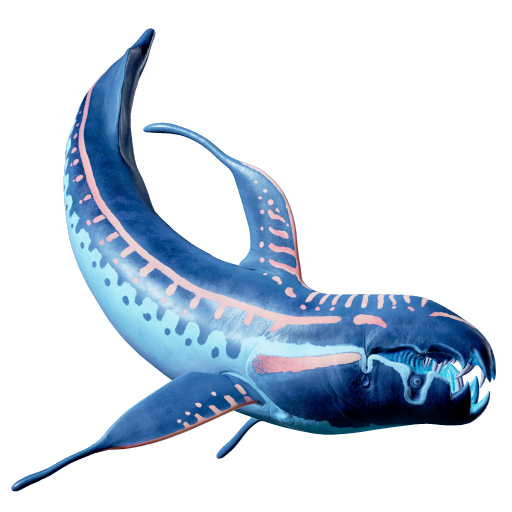
Костолам (робоча назва — *Mango marrowbreach*).
Мозковий гігант — пасивна фауна, каталогізована на кладовищі. Поточні записи містять 1 підтверджену точку появи в 1 біомі в межах головної зони з центром кластера поблизу -2919 / 4469 / -68. До цього пасивного запису не додається бойова статистика, тому вікі-профіль зосереджується на розміщенні середовища проживання, спостереженнях за відродженням і класифікації загроз.
«Більшість біосфери — це пустка. Волога пустеля глибиною в п'ять тисяч метрів. Життя біля поверхні має свій час під сонцем, а тоді помирає. Усе мертве спадає на дно, щоб стати поживою для химерних організмів.
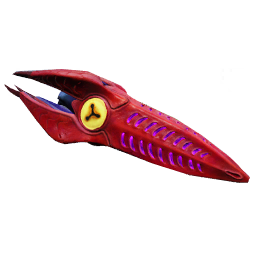
Швидкісний ройовий хижак, що живе в печерах і полює на біолюмінесцентні організми, коли ті шукають пару. Не в ДД1.
*Mango kestros* — акула-метальниця. Ця територіальна хижачка здатна вистрілювати ікла з урановим вістрям зі швидкістю до двадцяти метрів на секунду.
Манговий зубань (робоча назва — *Mango tructa*). Надокучлива всеїдна істота, пристосована поглинати геть усе. Радо скуштує рибу, губки, ламінарії та людські кінцівки.
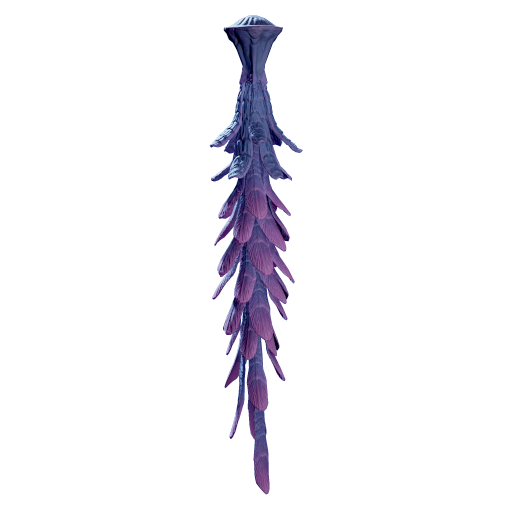
*Anthobrachia hebesoros*, the young stack of flower arms. Reproductive stage of a flower-like jelly. 1. Polyp Despite its resemblance to a kelp, the jelly lei prefers to hang underneath surfaces—where it cannot photosynthesize. It is the rooted polyp phase of a jellyfish's life cycle. The chain of 'flowers' growing beneath the polyp are larval jellyfish, called ephyra. The stalk itself is called a scyphistome. 2. Ephyral traits The budding larvae have broad, flat petals which will eventually merge into the adult jelly's bell. These petals already host photosynthetic symbiotes—it is possible the adult jelly will seek light sources to grow, akin to the terrestrial upside-down jelly. Note the purple color produced by photosynthetic retinal, the same molecule your eyes use to detect light. 3. Heat stress The jelly lei's growth cycle has been accelerated by heat stress. The stalked parent may release its larvae early to allow them to swim clear of hot, oxygen-depleted water. Assessment: sign of ecological crisis.
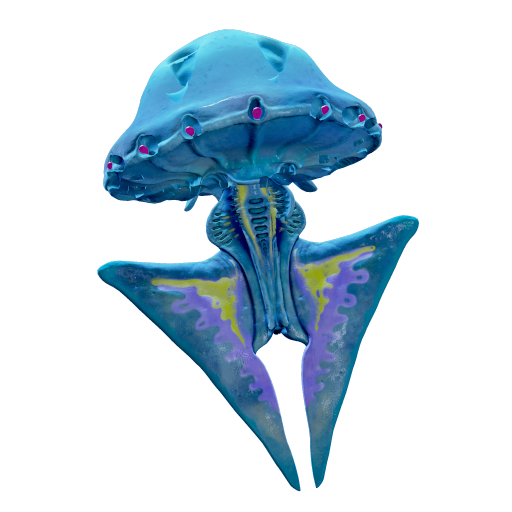
Розрядниця (робоча назва — Staurobrachia capacitor). Велика медуза зі складною будовою тіла. Полює, вражаючи ціль електричними розрядами. 1. Єдина, цілісна тварина На відміну від колоніальних організмів на кшталт фізалій, медузи-розрядниці — повноцінні, цілісні особини зі спеціалізованими тканинами, набагато складнішими за тканини земних медуз. Запропонована назва класу: staurobrachia (стовпорукі). 2. Складна внутрішня будова Зовнішня шапка оточена органами чуття — ропаліями. Нервова мережа координує рухи шапки для плавання та пошуку здобичі. Видима внутрішня структура — це травна система. 3. Будова травної системи Ця медуза не втратила свого «стебла», що збереглося з тих часів, коли вона була ще частиною багатошарового стосу клонів. Тепер ця трубка втягує їжу прямо в нутрощі. 4. Заряджені плавці Два жорсткі плавці містять дротоподібні електроцити, які, можливо, розвинулися з мацаків. Ці органи накопичують напругу, щоб приголомшити або вбити жертву. Виміряна потужність становить від 400 до 1000 вольт при силі струму 1 ампер: достатньо, щоб убити людину. 5. Специфічні «пасажири» Сліди радіоактивних речовин, високотемпературних восків та сірчаної кислоти вказують на контакт із гідротермальним джерелом. Склад тканин медузи свідчить про її походження з глибокого океану. 6. Колишні домашні тварини? Медузи, що перебувають поруч, спілкуються через власні електричні поля. Питання про наявність у них імен чи граматичної мови залишається спекулятивним, проте певні поведінкові патерни можуть бути навченими або набутими — і навіть передаватися з покоління до покоління. Висновок: незначна небезпека при наближенні. Захопливий об'єкт для дистанційного дослідження.
*Anthobrachia necrolei*. A clonal stalk of large jellies, similar to Earth's stauromedusae. Each jelly remains moored to the stalk, rather than maturing into a free-swimming medusa. 1. Enormous size and hunger Rather than feeding on prey, the necrolei gathers dead matter from the seawater. The size and height of the stalk are directly related to the rate of death and decay up-current. 2. Acid-yielding metabolism The necrolei has adapted to low-oxygen seawater. It ferments much of the matter it collects in a central 'basket' stomach, a process which requires no oxygen and yields strong acids. The necrolei concentrates these acids around its eggs as a defense. Assessment: large numbers of necrolei in this region indicate a bloom, a population explosion caused by a flood of nutrients. This is a poor sign for the health of the ecosystem and perhaps for the state of the global climate. Produces egg clusters that can be processed into strong acid.
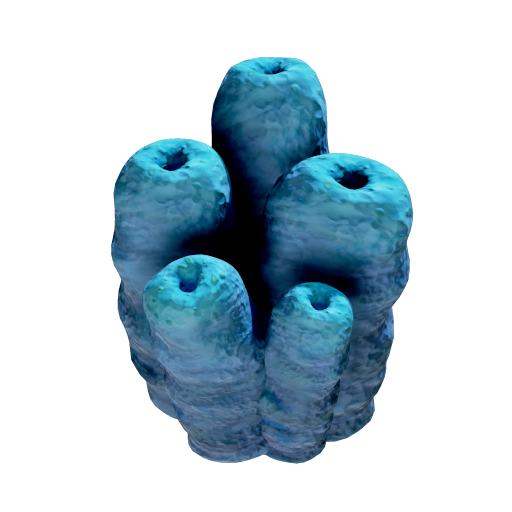
A hateful and malicious sponge. Assessing PDA neural temperature. Reducing output subjectivity. *Symphon achlys*, sponge of dying mist. A dangerous semi-predatory sponge that acts as the central node in a necrobiome. 1. Bacterial arsenal Sponges cultivate bacteria which secrete helpful chemicals. At some point in its history the toxic sponge was infected by a bacterial symbiote which generated a powerful antibiotic (akin to the human Streptomyces). The bacterium used this antibiotic to extinguish competition, then began an internal power struggle to evolve compounds that could destroy rival strains of its own species. The result is a sponge flush with an antibiotic so concentrated it causes skin burns and nerve damage. 2. Touch based hunting strategy When brushed, the sponge contracts sharply, expelling a cloud of antibiotic toxin. Microorganisms are killed, and larger species may enter convulsions and die nearby. The dead matter decomposes, releasing nutrients upon which the sponge feeds. 3. Animal gene fragments The toxic sponge's genetic code contains fragment of an animal genome: likely a crustacean. Assessment: avoid. Keep medical supplies on hand to treat chemical burns and nerve damage.
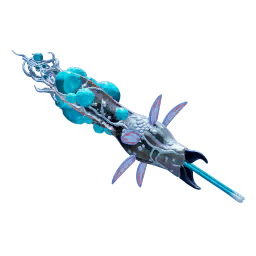
Дзьобате й безруке головоноге (подібне до кальмара), що живиться кров'ю та тілесними рідинами. Має ознаки значного зараження великим РНК-вірусом (згенерована назва — протеавірус-бета), який змінив поведінку головоногого.
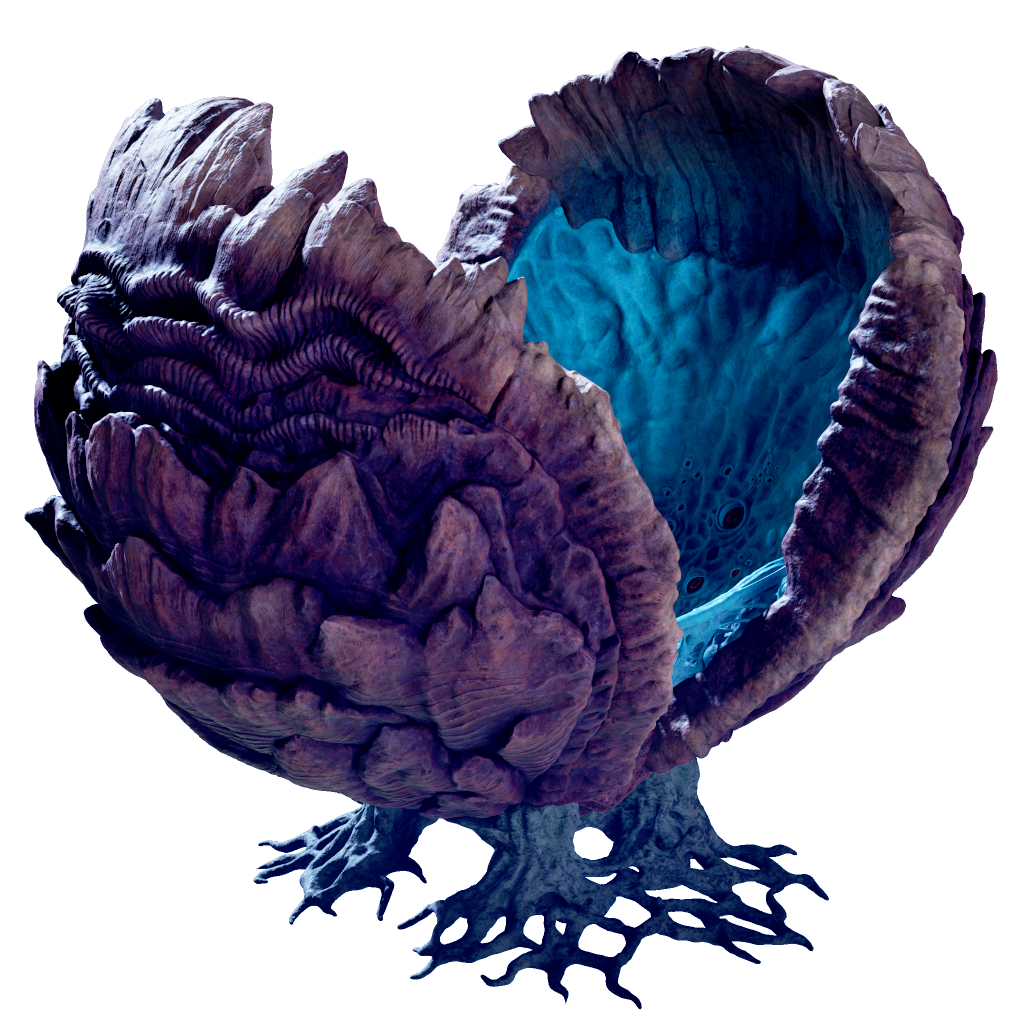
Пащека (робоча назва — *Megamya sudacna*, величезний кусючий молюск). Величезний усеїдний молюск із небезпечною стратегією захисту та живлення.
*Ostrakonskelos periskopion*, твердоногий перископ. Соціальний краб, що знаходить прихисток серед жалких актиній.
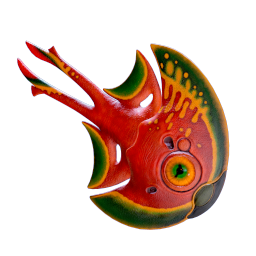
Півмісячниця (робоча назва — *Moliform semiluna*). Велика риба, що харчується наявним у воді планктоном та об'їдає дрібні нарости. 1. Здобич Головна страва в меню місцевих хижаків. Розвинула кілька майстерних стратегій утечі й переховування. Їстівна, проте рекомендована обробка у виготовлювачі. 2. Автономні канали Міцний дзьоб ховає клапани, через які півмісячниця всмоктує воду з планктоном. Для дихання вона використовує розташовані позаду очей бризкальця, які проводять воду до внутрішніх зябер. 3. Маневрувальниця Тіло вкрите нейромастами, які вловлюють кожен порух води. У передніх плавцях є фенестри (отвори), що дають змогу швидко змінювати напрямок на протилежний. Імовірно, адаптувалася до потреби пересуватися в тісних просторах чи густих зграях інших півмісячниць. 4. Своєрідна нервова система Відсутність механізму ігнорування реаферентації: не може відрізнити стимули, спричинені власним рухом, від змін у довкіллі. Легко гіпнотизується під впливом яскравого світла, може навіть сприймати себе за джерело цього світла. Іноді зазнає дезорієнтації і плаває на боці без помітної адаптивної вигоди. Висновок: прийнятне джерело їжі.
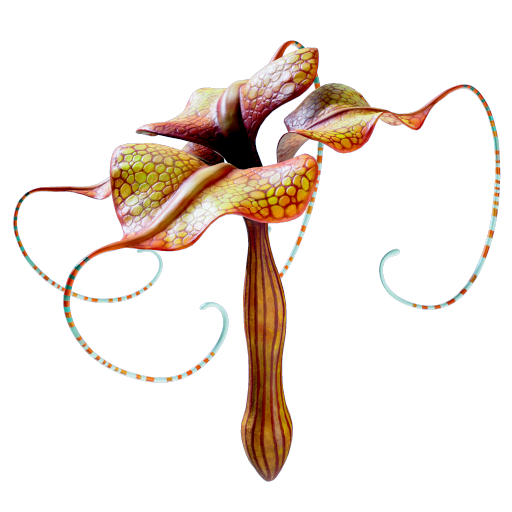
Tentatively *Pyloraptor mimic*. A predatory animal disguised as a leafy kelp. Discharges electrical shock when disturbed. 1. Cephalopod-like body Resembles an octopus or squid planted mantle-down in the seabed, with its arms spread to mimic kelp. Pouches of symbiotic bacteria between the arms allow it to photosynthesize. A beak at the center of its arms is plugged with mucus. 2. Electrical hunting The four arms contain electrocytes, organs which build up an electrical charge. When disturbed by prey, the electrocysts discharge, causing paralysis or death. It is unclear if the prey are directly eaten, or if they decompose in a garden around the mimic pylon. (Organisms which feed on external decay are known as saprotrophs.) 3. Implies kelp The pylon's cryptic aggressive mimicry of leafy kelp implies that kelp must exist on this world. Most species in Earths' oceans eat to survive, with primary production (the conversion of sunlight into biomass) carried out by plankton and algae. Leafy kelp were a late evolutionary development. 4. Cave mouth strategy Mimic pylons tend to cluster around sea cave entrances, perhaps to feed on organisms entering or leaving the caves. Alternately (and speculatively) they may have been planted there by another species to control access. Assessment: avoid contact to prevent injury. May mark cave mouths.
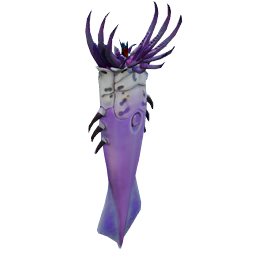
Молодняк Sandspear — велика хижа фауна, зареєстрована в руїнах Аксума, коралових садах, зарослих руїнах і ще 1. Поточні записи містять 20 підтверджених точок появи в 4 біомах у межах головної зони з центром кластера біля -2899/4209/-102. Записане налаштування істоти містить 1000 HP і 500 максимальної швидкості плавання. Дані про рух містять 6 рядків поведінки.
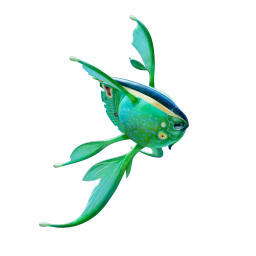
Риба-здобич, що мімікрує під міхурі невідкритого виду ламінарій.
Noon gorgon (tentatively *Gorgonian meridiem).* A predatory soft coral that lures prey by mimicking the sun in the dark. The brightest noon gorgon in a cave will attract the majority of the prey, creating an arms race to be as bright as possible. Noon gorgons feed much of their energy to their symbiotic light-producing lucifer rotsac. The ancestral noon gorgon may have evolved to grow towards or around lucifer rotsacs, using them as bait. Eventually, a symbiotic partnership developed. Expect noon gorgons to modify their spectrum in different depths and biomes.
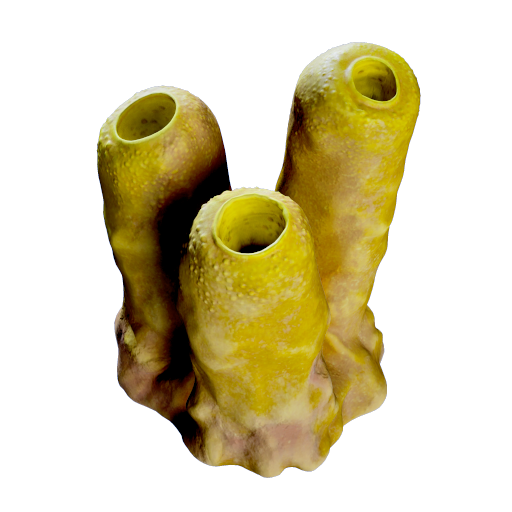
Нагема, щоденник, погнали. Останній великий мислитель Землі якось пожартував, що Творець чомусь дуже любить зірки й жуків, адже наробив їх так багато. Двісті років по тому ми знайшли чимало чужопланетян. І знаєте що? Зовсім небагато жуків. Вибач, Джеку. Та бач, твій Творець таки має улюбленців. Хай би де не зароджувалося щось цікаве, воно завжди починається з губок...
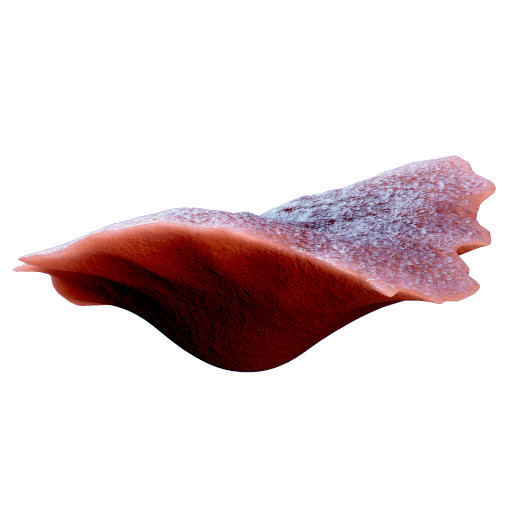
Твердий корал, що часто росте на гідротермальних джерелах. Використовує температурну різницю між своєю закріпленою основою та краєм, що омивається холодною водою, для стимуляції метаболічних реакцій.
*Mephit ceryneian*. Скупчення клонованих молюсків, адаптованих до життя в надзвичайно гарячій воді. Центральне стебло, що з'єднує їх, імовірно, є симбіотичним хробаком хробаком хробаком хробаком хробаком
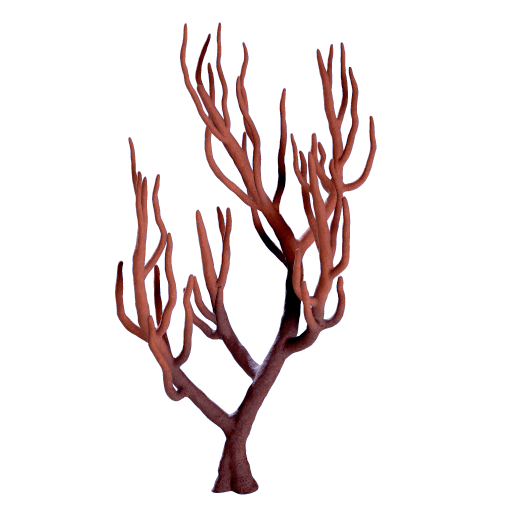
Нагема, щоденник, погнали. Це типовий протейський корал, але не типовий *земний* корал. Так, за загальною морфологією це розгалужене дерево, як у вимерлих земних акропор... Та якщо зазирнути всередину, то це дивина. На Землі корали — це крихітні медузи, що будують кам'яниці. На Протеї ж... вони мовби переїхали в багатоповерхівки. У губки. Коралові поліпи здавна жили в порах губок... платили за оренду тим, що очищали й захищали їх. І зрештою деякі губки стали твердими й кам'янистими, як земні склерогубки. Якщо я права, тут знайдуться різні пари коралів і губок, засновані на різних типах «угод», адже кожна така угода годиться тільки для певної екологічної ніші. Та головне питання... що коїться з їхньою генетикою?
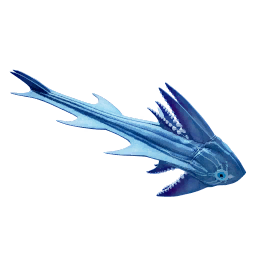
*Sitaroid gemini*, скати-двійнята, що нагадують сітар. Електричні хижаки з темних глибин, що переселилися ближче до поверхні внаслідок екологічної кризи.
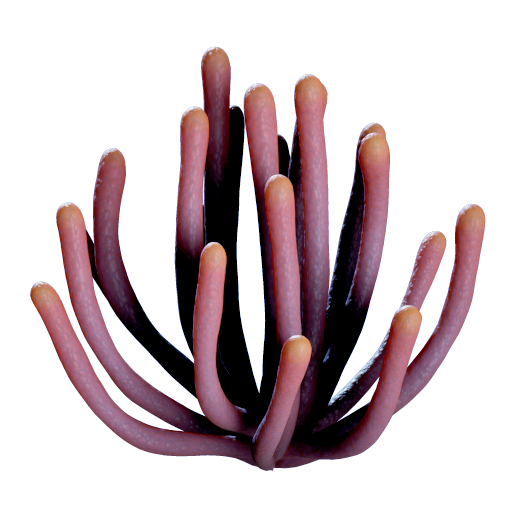
*Gorgon Kryphakous* or Listening Gorgon. A soft coral with dull olive filaments. A predatory filter feeder that sways with the current like kelp. Not known to be hostile or harmful to humans, but remains under observation (see notes below). 1. Sound sensitive Dissecting the Listening Gorgon's basal filaments reveals a web of vibration-sensitive cilia hidden in its soft, gelatinous core. These can detect movement through water at resolutions not seen except in the airflow sensors of clip-winged gnats on Kepler-22b - enough to pick up the swish of a tail through miles of water. 2. Reactive orientation At first the listening gorgon appeared inert, but its movement is simply too slow to be perceived. It has been observed to orient itself over time to specific low-frequency vibrations. It will do this even if food is less abundant in that direction. 3. Silent. The Gorgon kryphakous has no vibration-producing organs. It emits no detectable signals - no chemical plumes nor bioluminescence. It is essentially silent across all known communication spectra. ASSESSMENT: Requires further analysis. One leading hypothesis suggests that the Listening Gorgon once tracked the low-frequency vibrations of a massive, slow-moving marine species - now possibly extinct, or still undetected in the deeper zones of Proteus’s oceans. If so, the open question is whether this trait evolved in response to an ecological partner... or a threat
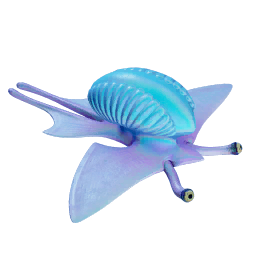
*Seaslug kleptopharos*, слимаковий крадений маячок. Вільноплавний люмінесцентний родич водяного слимака.
Таранник (робоча назва *Panoplia hammerhead*). Броньована стадна травоїдна істота, що вирізняється територіальною поведінкою та потужною таранною атакою. 1. Голова-таран Атакує будь-кого, хто запливає на його територію, особливо інших таранників. Перед ударом розправляє грудні плавці й опускає емалевий головний щит. 2. Реактивний рух Розташовані позаду очей бризкальця ведуть до сифона з внутрішніми зябрами. Сильний струмінь води із сифона забезпечує різке прискорення, необхідне для таранних ударів. 3. Великий мозок Плаває в захисній оболонці, що амортизує всі удари. Центральне око розрізняє кольори, а двоє маленьких бічних очей реагують на рух, допомагаючи таранникові поцілити в жертву під час розгону. 4. Пасовищна щелепа Потужна вертикальна щелепа вказує на раціон, що складається з губок, ламінарій, покривників і, можливо, подрібнених коралів. Необхідність захищати зони випасу могла стати еволюційною причиною територіальності таранників. 5. Практична поведінка? Таранники пробивають коралові куполи. Адаптивна перевага неочевидна. Можливо, у такий спосіб вони зміцнюють свої щити. Будьте з ними обережні, особливо під час пілотування транспортних засобів. Рівень соціального інтелекту цих істот можна порівняти із земними копитними, деякі з яких становили серйозну загрозу для людей. Таранні зони (так звані токовища) є основним джерелом акустичного шуму в океані.
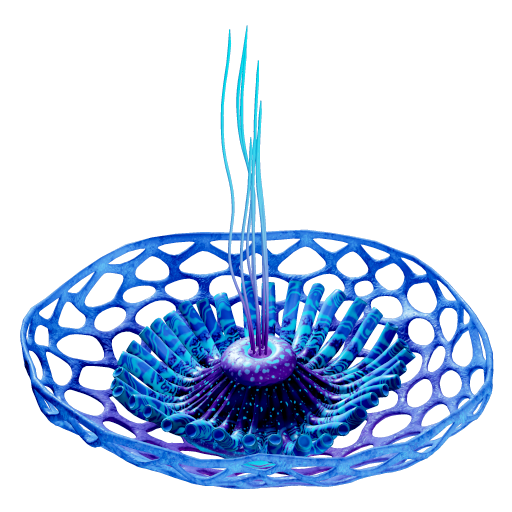
*Raion calix*. A puzzling combination of worm colony (the raion) and slime mold. 1. Feeding strategy Feeds on drifting matter, though the worms also sting and kill meiofauna (small sea life between 45 nm and 1 mm in size). 2. Glassy central structure The central structure is a glasy spicule similar to those found in Earth's glass sponges. The worms live in this structure, creating a raion — a sponge inhabited by worms. 3. "Tripe bowl" The ‘tripe bowl’ around the base is a single enormous cell, similar to Earth’s syncytial slime molds. The structure resembles the lining of a cow’s stomach, although this Voronoi pattern is common to self-organizing structures in many exobiologies. Its function is unclear. In terrestrial analogs, syncytial structures can be found in both healthy tissues like muscles and in tissues infected by certain viruses. Optogenetic analysis cannot determine the tripe bowl's genetic ancestry. Assessment: biological enigma. Await further updates.
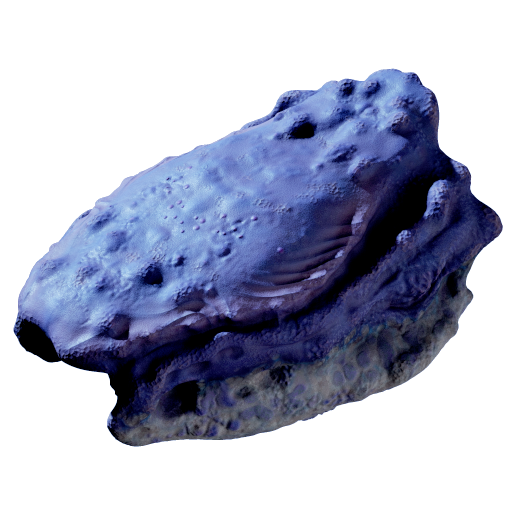
Титанічний скелебур (Lithodont titanicae) має спільні з організмом на горизонті біологічні особливості. Оскільки колосальний розмір організму вказує на потребу у величезних обсягах поживних речовин, титанічний скелебур може бути коренем або трубою, що веде до його стовбура.
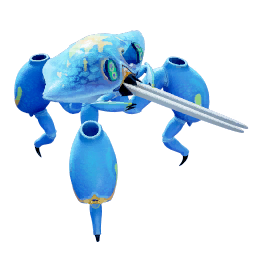
Турбокарис (робоча назва — *Tripod phrontiscaris*). Триноге соціальне ракоподібне, що виявляє батьківську поведінку. 1. Тринога анатомія Через ранню еволюцію двобічної симетрії на Землі не існує триногих організмів. Ноги турбокариса могли утворитися внаслідок злиття шести попередніх кінцівок — по три з кожного боку. При цьому маленькі передні кінцівки залишилися незалежними. 2. Ноги-сифони Розвинувшись із розташованих на ногах зябер, клапанні сифони-прискорювачі на кожній з них дають турбокарису змогу зависати у воді й плавати. Злиття ніг, що призвело до подвоєння розміру кожного зябрового органу, згідно з комп'ютерним моделюванням, значно підвищило ефективність руху. 3. Живильні язики Турбокарис використовує для пошуку їжі дві довгі, гнучкі радули, що, імовірно, еволюціювали зі щелепних максиліпедів. Він доглядає за радулами і чистить їх за допомогою передніх кінцівок. Ці придатки дуже чутливі, проте здатні до регенерації. Це свідчить про те, що турбокарис може відновлювати нервову тканину, а також про наявність на морському дні хижаків, які полюбляють ним ласувати. 4. Батьківська поведінка Турбокариси переносять і захищають незрілих особин свого виду, а експресивна мова їхнього тіла свідчить про насичене соціальне життя. Спектрогенетичний аналіз показує, що деякі незрілі особини живуть «у приймах», себто не є прямими нащадками опікуна. Всиновлення зустрічається у багатьох видів, хоч і є помилковим з точки зору раціональної адаптації. Воно може бути ознакою інстинктивної поведінки. Або ж турбокариси колись жили великими колоніями, де малечу народжувала єдина репродуктивна королева, а робітники наглядали за нею. Висновок: цілком безпечний. Може сприяти психологічному розвантаженню.
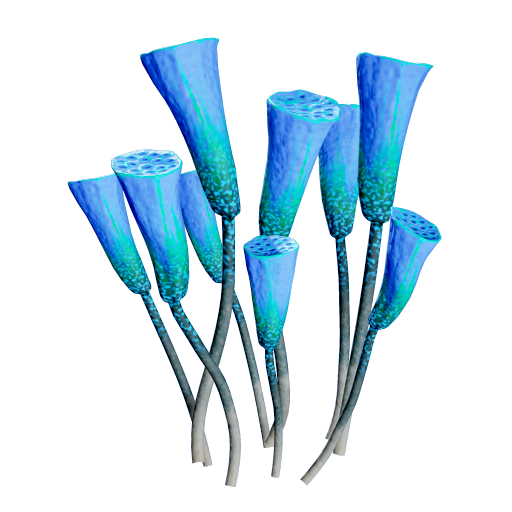
*Spraion flagon*. Databank generation alert: known scientific theory inadequate to explain specimen. Interpretation and improvisation may lead to error. 1. Sponge-worm hybrid Like the raions, this is a sponge occupied by worms. The sponge pumps seawater, while the worms feed on meioafauna in the current. In this 'spraion' the two organisms have become genetically entwined: each can give birth to the other. This defies conventional evolutionary theory, which uses reproductive barriers to define species. 2. Alternating generations Some of the sponge's germ cells undergo a transformation into worm embryos. This transformation involves the activation and expression of stored genetic material from the worm genome. Adult worms leave the sponge, swim to a new anchor site, and die. Their bodies provide food to a newborn flagon sponge. 3. Possible explanations The simplest explanation is that these are two alternating generations of the same organism — like the polyp and medusa stages of the jellyfish life cycle. But spectrogenetic analysis suggest the flagon sponge and its resident worms evolved tens of millions of years apart. Exactly how the reproductive cells of one organism can yield an adult of another species is unknown. Assessment: advise further investigation. May yield insight into genetic adaptations specific to this world. Await further updates.
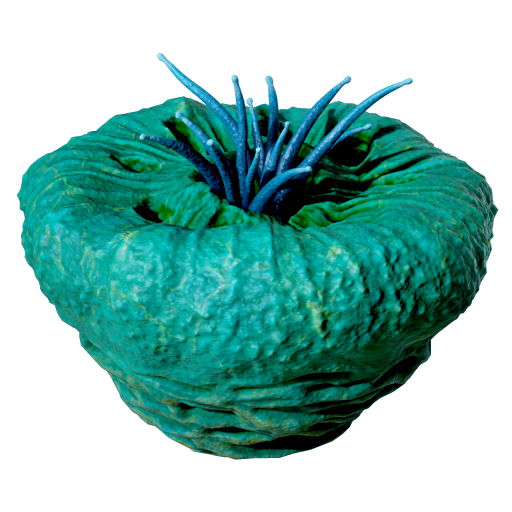
An organism (tentatively *Raion donut*) that resembles an Earthly anemone or ceriantherian, but is actually a sponge occupied by a colony of predatory worms. 1. Raion An organism defined as a sponge occupied by a colony of cloned predatory worms. 2. Hunting strategy The worms live in the sponge's jelly (called the mesohyl), protruding from its anus (the osculum) to sting passing prey with sticky cells and draw them into the sponge. 3. Puzzling genetics Spectrogenetic analysis indicates the host sponge and the resident worms contain partial copies of each others' genomes. This is a biological impossibility on Earth, and suggests that genetic inheritance functions differently on this world. Assessment: minor sting hazard — do not insert fingers. Important scientific discovery.
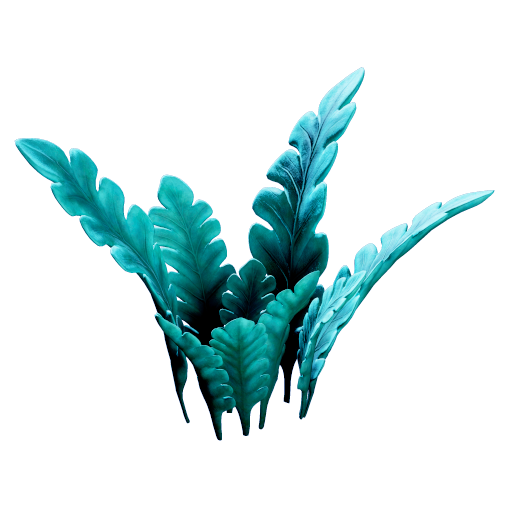
*Ventworm cryocthonian*, the vent worm that brings cold from below. 1. Vent worm The fridge worm's body plan is familiar from terrestrial analogs — a tubular body with a protruding gill. The body hosts a colony of symbiotic bacteria in a chamber called the trophosome ("feeding body"). These bacteria help the worm survive extreme environments. 2. Cold water emitter The cryocthonian lives in colonies along geothermal gradients—from hot to cold. It exploits the flow of energy and minerals through the rock to feed. Colonies pumps deep, cold brine (usually at 4 degrees C) to the worms exposed to hot water, helping regulate their temperature. 3. Sulfur-based metabolism The symbiotic bacteria in the fridge worm feed on sulfur and other dissolved minerals. The fridge worm uses cold deep-sea brine to trigger chemical reactions which help collect minerals from the hot vent water. Assessment: Produces pockets of cold water. May attract life that cannot tolerate the surrounding heat.
Хробостюк (*Ventworm awn*). Мешкає в термальних мінералізованих водах, звідки вбирає сірководень та інші сполуки за допомогою латеральних виростів. Здатен витримувати близьку до кипіння температуру.
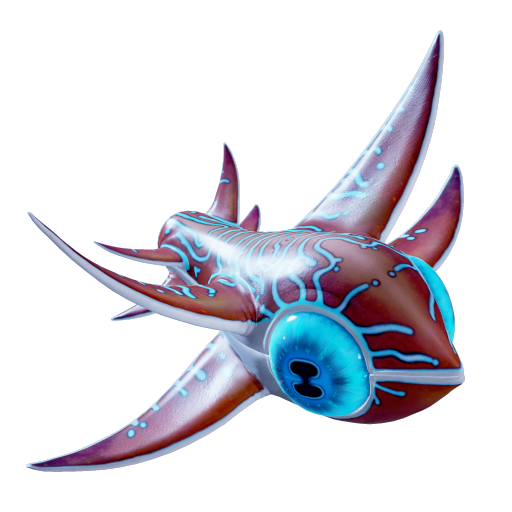
Чотириочка (*Morokotoform duplex*) — хижа риба, що завжди народжується в парі з монозиготним близнюком. Вони з'єднуються животами, інтегруючи травну й нервову системи, щоб функціювати як одне ціле.
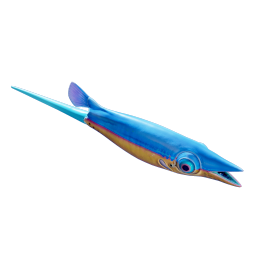
Їстівна, але не надто поживна риба. Важко схопити через унікальну електромагнітну тягу.
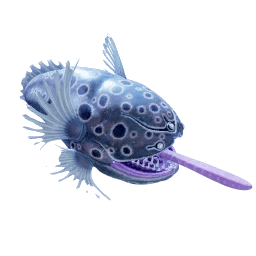
*Postpanoplia epicurean*, ненажерлива пластинношкіра риба без пластин. Непередбачувана й вічно голодна, особливо коли перебуває під впливом паразита.
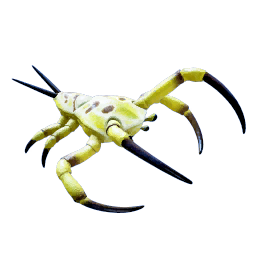
*Ostrakonskelos glossaklept*, твердоногий язикокрад. Паразитичний краб, що живе в роті й спричиняє сильний і неослабний голод.