動物相
すべての生き物: 統計、行動、生息地。
- 動物相
- 86
- 捕食者
- 23
- 固着性
- 38
- スポーンポイント
- 11070
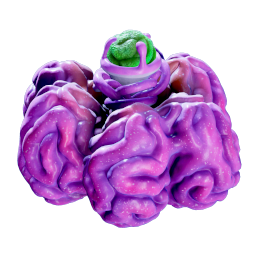
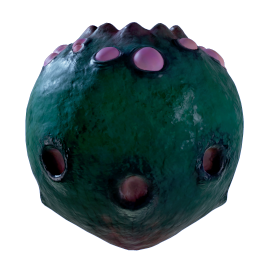
*Raion carbonica*. A colony of worms living inside a shared membrane, probably a sponge. Uses weak acid to digest prey. 1. Raion An organism defined as a sponge occupied by a colony of cloned predatory worms. This sponge is chambered, akin to Earth's extinct sphinctozoans; the chambers grow around a central pump. 2. Pressurized acid The raion's worms secrete weak acid as a digestive factor and defense mechanism. This acid is held under pressure by a plug in the raion's central pump. To avoid unwanted acid release, cut away the chambers before disturbing the central pump. 3. Volcanic origin? The acid raion may have originally evolved near a cold seep or a volcanic caldera. Acid-friendly biochemistry gave it a useful defense mechanism and feeding strategy to colonize other waters. 4. Medical gel The raion's central pump is partially plugged by a mass of worm residue; this keeps the pressure in the chambers high. This residue contains useful clotting factors and broad-spectrum antibiotics. Recommend collection. 5. Problematic genetics Spectrogenetic analysis indicates the host sponge and the resident worms contain partial copies of each others' genomes. This is a biological impossibility on Earth, and suggests that genetic inheritance functions differently on this world. Assessment: useful source of weak acid for batteries. Central plug contains medically relevant gel. Cut away chambers before removing central plug. Consult with your Noetic Advisor system to research optimum search areas.
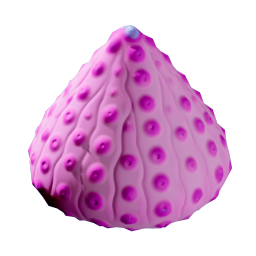
A glowing sponge (tentatively *Symphon aeroshell*) that resembles the cone of a heat shield on atmospheric entry. 1. Predation strategy The aeroshell feeds on microorganisms attracted to light, especially in dark caves where it can be mistaken for the sun. 2. Light source Instead of relying on symbiotic bacteria, the aeroshell generates its own light through oxygen-fueled reactions. This light is piped throughout its tissue by glassy fibers resembling those grown by Earth's glassy sponges - among the longest living animals known. 3. Symbiotic partner Often found associated with shootroots (hard-surfaced starfish-like organisms that burrow into the seafloor). The exact dynamics of the symbiosis are unknown. Await further updates. Assessment: useful light source in dark water. May provide interesting bio-optics reference.
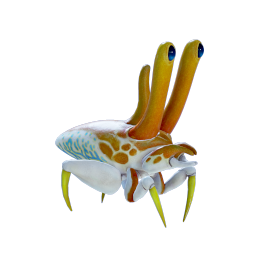
名称*オストラコンスケロス・ペリスコピオン*は、「硬い脚を持つ潜望鏡」を意味する。刺胞を持つアネモネを住みかとする、社会性を持つカニ。
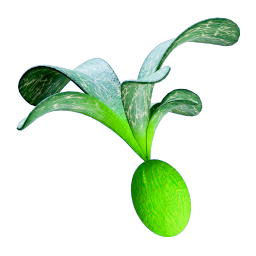
*Rotsac cherimoya*. A tunicate-like animal which collects alcohol from decaying matter to produce a creamy, flavorful mucus. 1. Cherimoya Named for its resemblance to the terrestrial cherimoya fruit (or custard apple). It can be eaten whole or sucked on through a straw; the exterior tunic is soft but the heart, nervous system, and other organs should be spat out. The rotsac contains mercury sulfide, which will eventually accumulate to dangerous levels in the human body. 2. Peculiar metabolism As a rough inverse of the lucifer rotsac, the cherimoya rotsac converts alcohols to sugars rather than decomposing sugars to alcohols. The cherimoya achieves this with a chemical pathway that does not occur on Earth. Aqueous cinnabar provides a source of mercury to oxidize alcohols into simple sugars. The cherimoya has no other behaviors: it simply stores sugars as it grows into a taut, full adult. 3. Symbiotic partner Because of its plentiful stored sugars, the cherimoya is a common symbiotic partner for organisms like the cage gorgon. 4. Enteric reproduction The cherimoya rotsac is gonochoric - either male or female. However, it does not release eggs or sperm into the seawater. Instead, its reproductive cells are eaten by organisms feeding on the cherimoya. They seek out other cherimoya rotsacs' gametes in the digestive tract of the host. The fertilized embryos are then expelled by the host organism, providing them with nutritious waste to bootstrap their growth. Assessment: edible. Your digestive tract may briefly become pregnant.
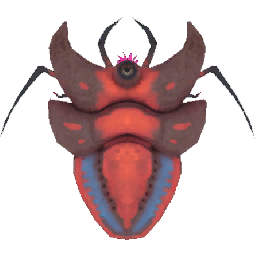
クリムゾンシュリンプは、コーラルガーデンに登録されている受動的動物です。現在の記録には、メインゾーン内の 1 つのバイオームに 5 つの確認されたスポーンポイントがリストされており、クラスターの中心は -3538 / 4267 / -46 付近です。このパッシブエントリには戦闘統計が添付されていないため、Wiki プロファイルは生息地の配置、スポーンの観察、脅威の分類に重点を置いています。
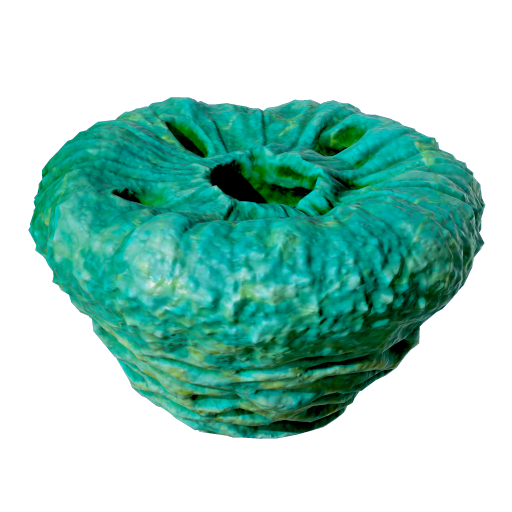
Donut of worms (tentatively *Raion donut*) without visible worms. 1. Normal state Just as terrestrial corals contain photosynthetic partners called zooxanthella, the donut contains a population of predatory worms. 2. Disturbed state Just as terrestrial corals sometimes expel their partners when under stress, this donut raion has discharged or killed its population of worms. (Alternatively, they have left in search of a better host.) This may be a reproductive strategy, a defensive reaction to the worms turning on and feeding upon the sponge, or a response to environmental stress. Assessment: unclear how long the donut can survive without its primary food supply. Terrestrial corals survive only days to weeks after bleaching.
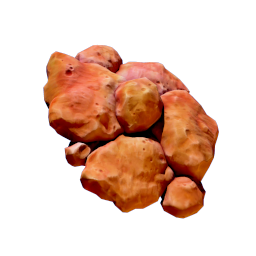
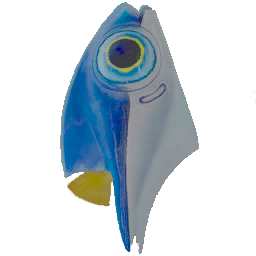
Fish School Flutter Tail は、入植者バンカー、コーラル ガーデン、墓地、その他 3 か所に登録されている受動的動物です。現在の記録には、Default Devmap、Main、PCG Zoo、およびその他の 2 つのゾーンにわたる 6 つのバイオームに 213 の確認されたスポーン ポイントがリストされており、クラスターの中心は -1906 / 2502 / -26 付近にあります。このパッシブエントリには戦闘統計が添付されていないため、Wiki プロファイルは生息地の配置、スポーンの観察、脅威の分類に重点を置いています。
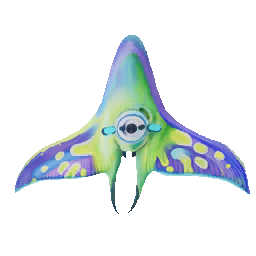
Fish School Mirrorhalfmoon は、入植者バンカー、コーラル ガーデン、プラトーなどに登録されている受動的動物です。現在の記録では、Default Devmap、Gameplayzoo Stimuli、Main、およびその他の 3 つのゾーンにわたる 4 つのバイオームに 186 の確認されたスポーン ポイントがリストされており、クラスターの中心は -1628 / 2060 / -20 付近にあります。このパッシブエントリには戦闘統計が添付されていないため、Wiki プロファイルは生息地の配置、スポーンの観察、脅威の分類に重点を置いています。
Giant Tube Salp is fauna catalogued from the current creature data. No combat stat block is attached to this entry, so the wiki profile focuses on the structured habitat and spawn facts available.
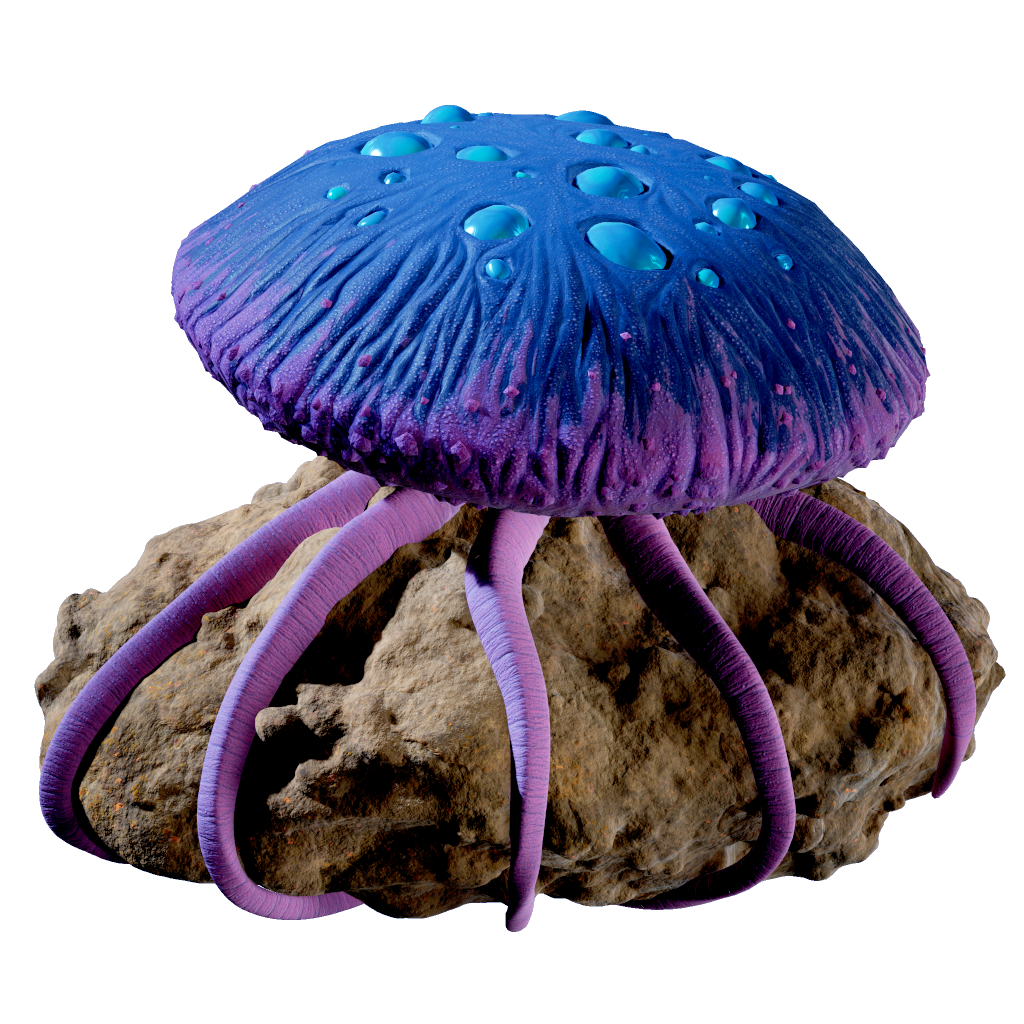
*ダクティルブラキア・ギガス*、名称は「巨大で指のような足を持つクラゲ」を意味する。地球には類似生物が存在しない巨大な種。
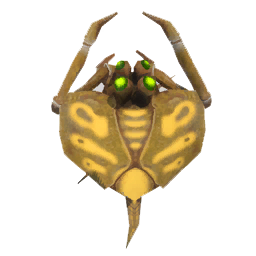
イナゴは、アクスム遺跡、コーラル ガーデン、墓地などに登録されている受動的動物です。現在の記録には、メインゾーン内の4つのバイオームに137の確認されたスポーンポイントがリストされており、クラスターの中心は-2908 / 4516 / -147付近にあります。このパッシブエントリには戦闘統計が添付されていないため、Wiki プロファイルは生息地の配置、スポーンの観察、脅威の分類に重点を置いています。
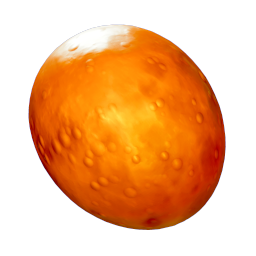
Tentatively *Rotsac lucifer*, the light-bringing rotsac. A tunicate-like animal which ferments decomposing biomatter inside its body. 1. Hidden body The rotsac's larval swimming body transforms into a spherical adult form. Because fermentation does not require oxygen, the rotsac actually stops breathing as it matures. 2. Swollen with hydrocarbons The rotsac contains isoprene, useful for fabricating rubber and lubricant. High diacetyl levels give the rotsac a strong caramel funk. 3. Bioluminescence Glow may attract animals (especially sun-seeking microorganisms) to defecate or die on the rotsac. Bioluminescence seems to play an important role in this world's ecology. Regular experiments with light reactions are advised. 4. Symbiote Often found glued to the cradle shootroot, an unrelated species of starfish-like bottom-dweller that provides the rotsac with an anchor while it grows. Assessment: useful source of organic polymers for rubber and oil. Consult your Noetic Advisor to research optimal search areas.
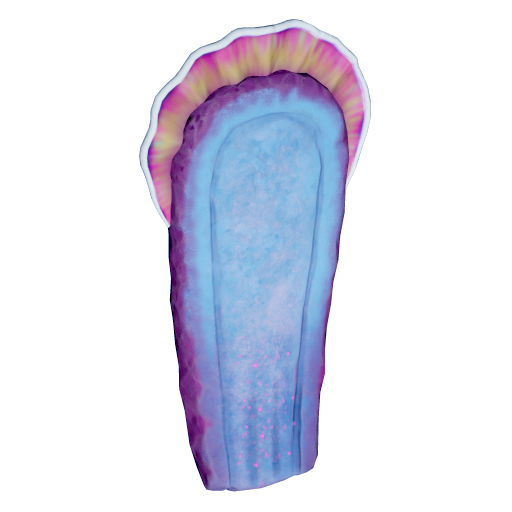
*Symphon macaron*. A sponge that has developed a disc of flagellated feeding cells. Named for the dessert sandwich cookie (not available in current fabricator settings). 1. Hardened plates Instead of a sponge's normal inner and outer layers, the macaron develops two hard plates of pinacoderm. These anchor the feeding disc to a holdfast. 2. Feeding disc The sponge's mesohyl (internal jelly) has specialized into feeding disc, with tentacled cells that pull particles from the surrounding seawater. This leaves the delicate jelly vulnerable to predators and parasites. 3. Hostage exchange The feeding disc hosts the larvae of sponge-eating organisms in its pores. By providing a shelter and habitat for their young, the macaron may buy itself a degree of safety and defense. (These larvae are themselves tempting prey for many species.) 4. Unusual protein expression Many of the cells in the feeding disc express proteins also found in the hosted larvae. This may be a recognition signal to attract the desired species. ASSESSMENT: Inedible despite name. Await further updates.

*マンゴー・ケストロス* 牙を射出するサメ。縄張り意識の強い捕食生物で、先端にウランの付いた牙を秒速20メートルで発射することができる。
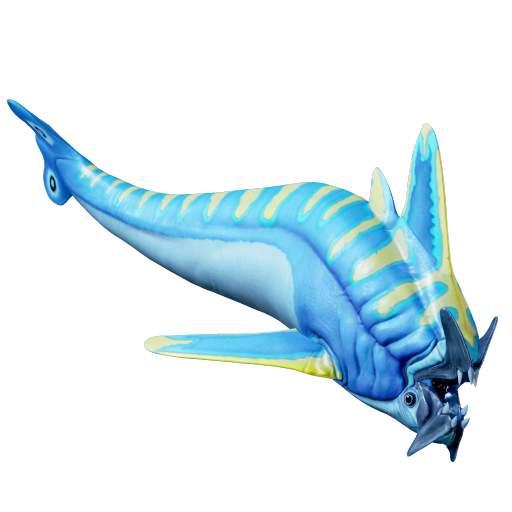
ニブラーシャークは、コロニストバンカー、コーラルガーデン、プラトーなどに登録されている大型の捕食動物です。現在の記録には、メインゾーン内の4つのバイオームに13の確認されたスポーンポイントがリストされており、クラスターの中心は-3348 / 4197 / -29付近にあります。記録された生き物の調整には、HP 100 と最大水泳速度 500 がリストされています。動作データには 8 つの動作行が含まれます。

Scourge Hive is fauna catalogued from the current creature data. No combat stat block is attached to this entry, so the wiki profile focuses on the structured habitat and spawn facts available.
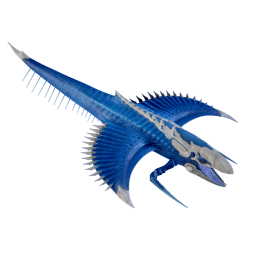
この生物の名称*スカイトプテリジオン・アトロポス*は、「鎌状のヒレで運命を断つ者」を意味する。このリヴァイアサン級捕食生物はオスとメスで形質が異なり、オスは開けた水域に生息し、集団(シヴァー群)で獲物を攻撃する。
Snorkleback (Adult) is fauna catalogued from the current creature data. No combat stat block is attached to this entry, so the wiki profile focuses on the structured habitat and spawn facts available.
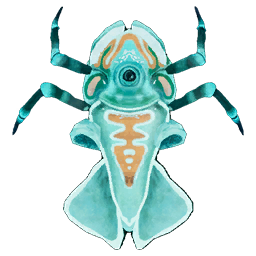
コガモ シクロプレットは、コーラル ガーデンに登録されている受動的動物です。現在の記録には、メイン ゾーン内の 1 つのバイオームに 29 の確認されたスポーン ポイントがリストされており、クラスターの中心は -3462 / 3982 / -49 付近にあります。このパッシブエントリには戦闘統計が添付されていないため、Wiki プロファイルは生息地の配置、スポーンの観察、脅威の分類に重点を置いています。
The titan-class organism on the eastern horizon pushes the boundaries of planetbound life.
アーンワーム(別名*ベントワーム・アーン*)。高温でミネラルを多く含む水域に生息し、羽状器官で硫化水素などのミネラル分を環境から収集する。沸騰寸前の水温でも生存が可能。
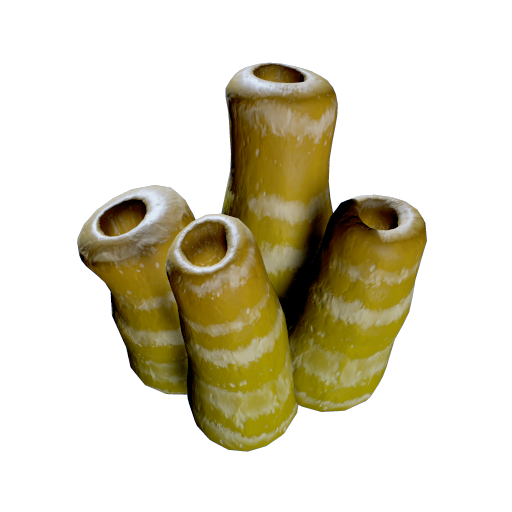
*Symphon apokalupsis*. An unassuming button-shaped sponge that may be an omen of mass extinction. 1. Simplicity Among the earliest animal forms on Earth, sponges are a group of cells that live between two membranes and work together to pump water. Sponges on this world are similarly elegant. 2. Tolerance Due to this simplicity, sponges tolerate low oxygen and high temperatures better than many other organisms. They also benefit from elevated death rates, which floods the water with decaying matter. 3. Role in mass extinction Biospheres dominated by sponges may be an indicator of a recent or ongoing mass extinction. After Earth's first major die-off during the Ordovician period, some 85% of species went extinct, leaving a world ruled by sponges. The popular existential terror franchise "Life Is Only Pulse" is set in a fictionalized version of this time period. Assessment: possibly a warning sign of planetwide ecological collapse. Possibly not.
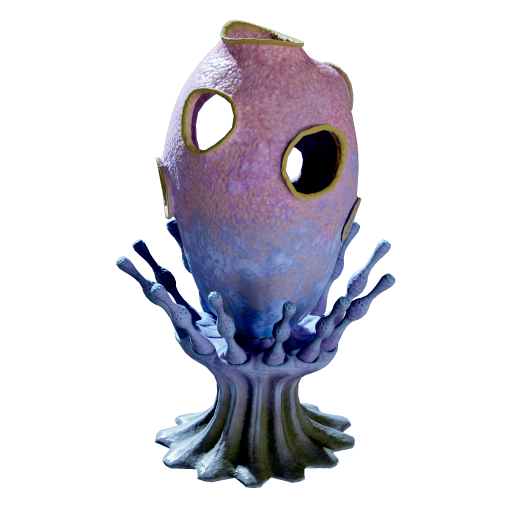
*Symphon amphora*. A sponge adapted to colonize — and create — air pockets. 1. Amphora-shaped structure Like all sponges, the amphora requires constant flow through its pores to survive, but it pumps air rather than water. Contraction and expansion forces moist air through the sponge's pores. Absorbent surfaces harvest water and carbon dioxide from the air. Waxy coating helps prevent water loss. 2. Radiolytic metabolism The soft blue glow of the sponge is bioluminescence fueled by radioactive minerals in the sponge's vanes (the structures growing from the anchoring rhizoid). This radiation splits water into hydrogen and oxygen. The gases gather in the cave ceilings the amphora prefers to colonize, creating pockets of knallgass (unmixed hydrogen and oxygen). Though breathable, this air is highly flammable and an explosion risk. The sponge's symbiotic bacteria feed on the hydrogen and oxygen, producing energy and water. The sponge uses this energy to fix carbon from the air and grow, as an Earth plant would. Assessment: a remarkable step. The amphora sponge may evolve an entire lineage of dry-land sponges, colonizing niches filled by plants and fungi on Earth. Indicates the presence of an air pocket. Swim up to breathe. Do not ignite flares or discharge electrical devices in the pocket.
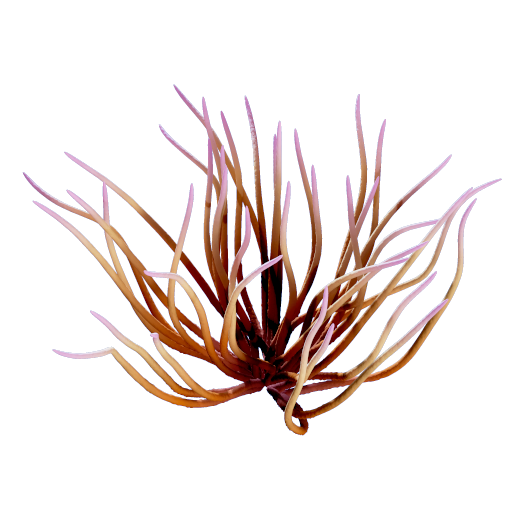
*Gorgon mastix*, the whip gorgon. A soft coral similar to the earthly gorgonians — it lacks the hard limestone shell of a true reefbuilding coral. 1. Earthly namesake Named for the extinct *Leptogorgia virulata*, Earth's sea whip. Like the sea whip it is a predator, and it must defend its soft body from parasites and predation. 2. Spine defenses Unlike the terrestrial sea whip, which developed a chemical arsenal to repel unwanted contact, the whip gorgon colony has developed specialized 'soldier' polyps which migrate to the surface and develop a brittle spine. When disturbed, this spine snaps off, releasing the soldier's payload of toxins. It is impossible to project the effects of this sting on colonists, but mechanical similarities to the infamous Australian gympie-gympie plant suggest negative outcomes ranging from chronic agony to total sleep deprivation lasting weeks to years. 3. Carnivorous diet 'Civilian' polyps in the whip gorgon use their stings to kill and digest microscopic prey. They lack the brittle spine and powerful toxins of the soldier polyp. ASSESSMENT: Avoid contact. Consider pruning back with hand tools.
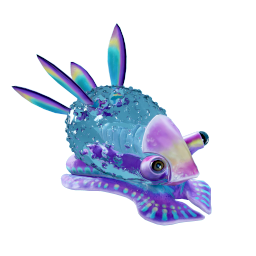
ウミウシ(仮称*シースラグ・ハイドロクラスト*)。海水を飲用可能な淡水に変えることができ、生物学的な謎が多い。 1. 燃料電池の役割を果たす微生物 海水から塩を取り除くには多くのエネルギーが必要になる。であるにもかかわらず、ウミウシは海水を淡水に変えている。これは、海水に含まれている廃棄物を糧にする体内の微生物リアクターの副産物と考えられる。 2. 淡水の貯蔵 ウミウシを急速な脱水から守る、水をはじくプラスチック製の袋を持つ。 3. プランクトンの養殖 ウミウシの水袋には、光を糧に変えることができる活発なプランクトンが共生している。淡水がプランクトンの化学変化に必要なのか、プランクトンが逃げないようにするための、監獄の役割を果たしているのかは不明。 4. 吸血能力 ウミウシは肉を切り裂く鋭いくちばしを持っている。寄生あるいは片利共生して宿主の血液中の毒素を除去していた進化段階の名残であると考えられる。 評価: この地域で唯一の淡水源。飲用する前にファブリケーターによる浄化が推奨される。肝臓に問題がある場合は、ウミウシに血を吸わせると効果的。

エレクトリック・ジョーディー(仮学名*サルパポッド・ジョーディーワンギ *)。一般的なジョーディーの近縁種または一形態だと思われる。電流に引きつけられる性質を持つ。 1. 電気屈性 エレクトリック・ジョーディーは電流に引きつけられる性質がある。驚くほど強い電流に耐えることができ、人間の手や道具を使って取り除くことは危険である。短絡が起きた場合、ジョーディーと電気的なシステムの両方が危険にされる可能性がある。 2. ゲルに満たされた胃袋 エレクトリック・ジョーディーの4つの憩室は、電場を感知する感覚器であるロレンチーニ器官の受容粘液に似たヒドロゲルで満たされている。これらの憩室は、身を隠している獲物の電場を感知したり、海底のヘドロ中にある伝導性を有するバクテリア線維を探したりするのに使われている可能性がある。人工的な電流は超正常刺激として働き、エレクトリック・ジョーディーを強く引きつける。 3. 電流の代謝 信じがたいことだが、ジョーディーが電流を代謝するために進化した形態だとも考えられる。あらゆる生物の代謝は究極的には電子を運ぶプロセスであり、嵐の多い惑星や真空に生息する生物の中には、直接電気を摂取するものも見られる。 評価: 電気的なシステムや通信システムにとっては極めて有害。侵入を防ぐためには誘引機構が必要かもしれない。
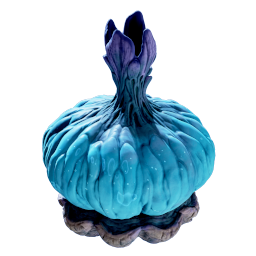
*Tunic aeolian*. A bizarre animal that splits seawater into hydrogen (on which it feeds) and oxygen (which it releases). 1. Tunic Like Earthly tunicates, this is a complex animal with a heart, nerve chord, and a flexible exterior shell (the tunic). 2. Radiolytic metabolism At the heart of the oxygen tunic is a nugget of radioactive metal such as uranium, radium, or thorium. Radiation from this nugget splits water into hydrogen and oxygen through radiolysis. The oxygen tunic retains the hydrogen to feed an internal colony of sulfur-reducing bacteria, and releases the excess oxygen. 3. Blue glow Cherenkov radiation from the core excites radioluminescent pigments in the tunic, producing a distinctive blue glow. This may be a warning to would-be predators that the oxygen tunic releases poisonous quantities of oxygen. 4. Implications for life on this world The oxygen tunic's metabolism suggests that this world has an energetic geology and a biosphere adapted to use radiation as a food source. It also has interesting implications for life without sunlight. On Earth, even deep-sea vents depend on oxygen produced by photosynthesis. No such dependency exists here. Assessment: emergency oxygen source for divers. Beware that repeated use could lead to radon buildup, with serious health risks including cancer.
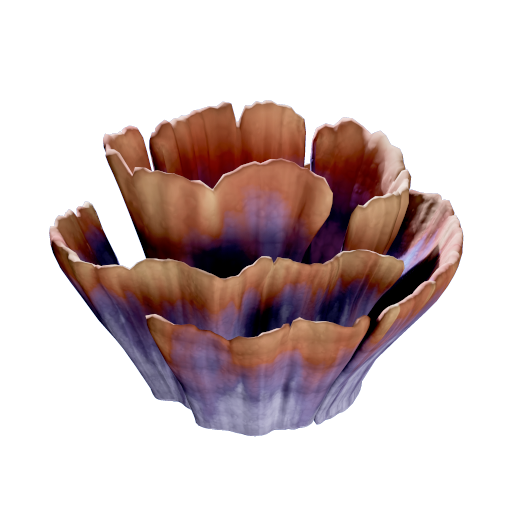
*Gorgon aulaia*. A soft, predatory coral akin to Earth's gorgonians, especially the Venus fan. 1. Sponge-coral moiety Like Earth's brown tube sponges (*Agelas schmidti*), soft corals on this world are a colony of coral polyps growing within a matrix of sponge tissue. In this specimen it is very difficult to distinguish the sponge's jellylike inner tissue (or mesohyl) from the soft coenenchyme which connects the coral polyps. 2. Ribbons of tissue The curtain gorgon forms a long, low-lying fan of tissue which catches prey. The curtain gorgon is an obligate predator and cannot survive on sunlight, but some specimens are colonized by chemotrophic bacteria which may provide the gorgon with extra energy. 3. Plasticized skeleton The gorgon's skeleton is chemically similar to PVC (polyvinyl chloride, an obsolete industrial plastic). Assessment: indicates the presence of plankton and other small sea life.
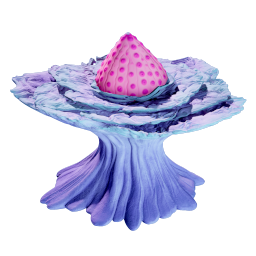
*Shootroot cabbage*. A robust bottom-dwelling organism anatomically similar to a plastic starfish, or to an opened variety of Earth's extinct blastoids. 1. Animal anatomy The cabbage shootroot's upwards-facing mouth is surrounded by outstretched arms. These arms are hard, tightly grouped, partly calcified, and covered in a tough biopolymer characteristic of other shootroots (tentative name: polyproteovinyl). These arms produce the cabbage-leaf texture that gives the shootroot its name. 2. Seabed burrowing A second set of arms uses ribbons of the same tough biopolymer to dig into the seabed, stirring up sediment and expanding cracks in rock. This is a difficult and metabolically expensive process, but it is a niche with little competition. 3. Symbiote kiss The cabbage shootroot does not use its mouth to eat, or its hard leaflike arms to feed. These surfaces seem to be reserved for a symbiotic partner. The cabbage shootroot uses its mouth to transfer nutrients gathered by its roots to the symbiote, and to receive a trickle of food or chemistry in exchange. 4. Circular nerve cord Like all shootroots, the cabbage shootroot is notable for its expression of a circular nerve cord. Assessment: do not sit. You may receive nutrients.
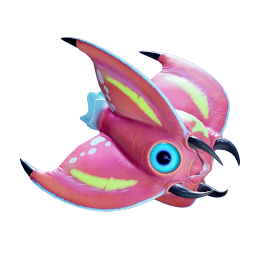
クオドレート(仮称*サルパポッド・テトラグナサ*)。一般的なジョーディーの近縁ないし異形種。 1. ジョーディーとの共通点 ジョーディーと同じ体構造を持っているが、物をすり潰す顎の代わりに、四本の尖った歯が生えている。 2. 肉食 クオドレートは生きた肉組織に潜り込み、血や漿液を糧にする。宿主にダメージを与えずに取り除くのは至難の業。患部に光または熱を当て、クオドレートを自発的に離れさせることが推奨される。 3. 吸血酵素 抗凝固物質が獲物の凝血を妨げる。この酵素は、地球で有名な吸血コウモリが有するドラキュリンと同じ効果を持つ。また、ウミウシもこの酵素を有している。レトロウイルスによって移されたと考えられる。 4. クオドレートの激増 クオドレートが地域の生態系に大きな負担をかけていることから、クオドレートの個体群を制御する天敵の数が激減もしくは絶滅したと想定される。別説としては、飢えたジョーディーが新たな食物源を得るためにクオドレートに変異しているとも考えられる。 評価: 寄生期間が長くなると、水分不足の重症化や命に関わる状態になる。可能な限り安全な方法で取り外すこと。社会的な反応を探るために、他の生物に寄生しているクオドレートを取り外すことが推奨される。
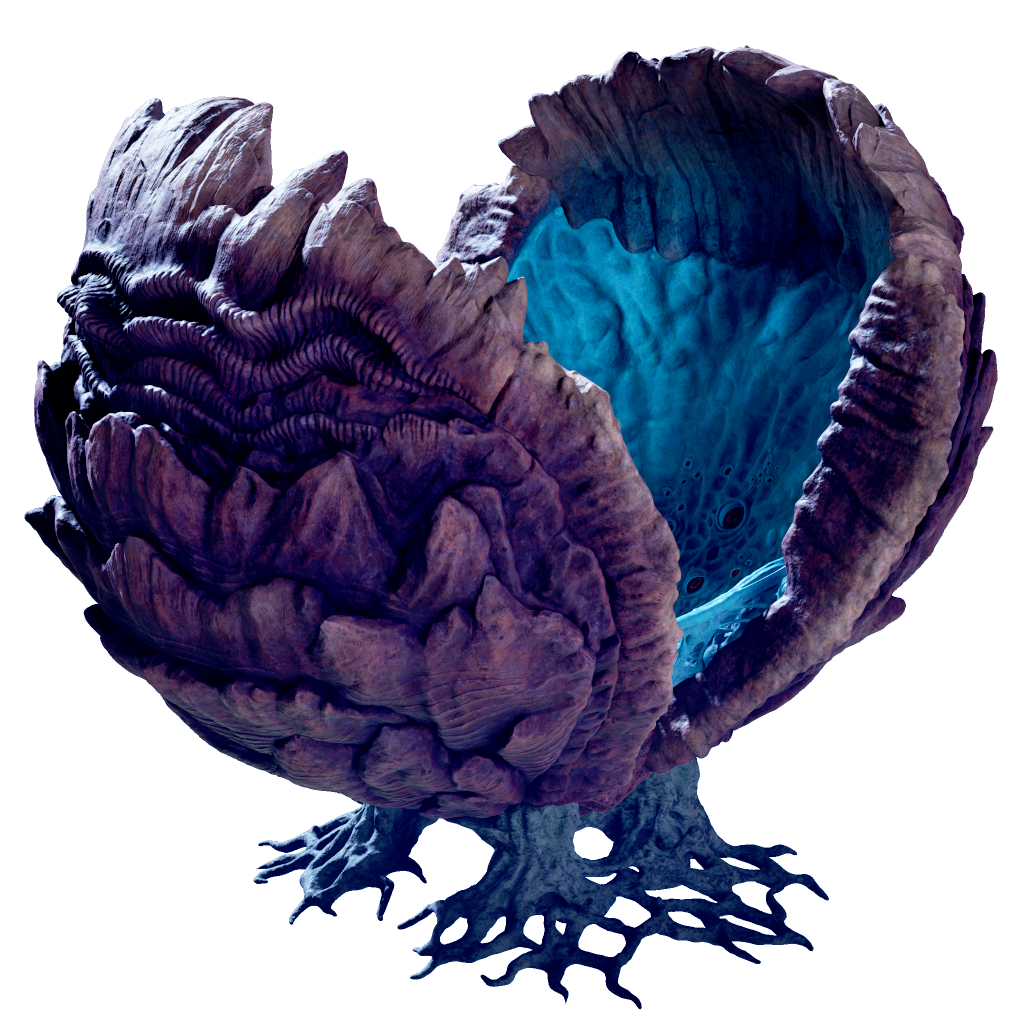
グレート・ジョー(仮学名*メガミア・スダクナ*、噛み付く貝の意)。危険な防御/摂食戦略を持つ巨大な雑食性の貝類。
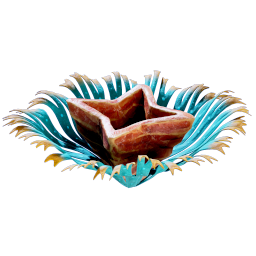
A basket-shaped organism (tentatively *shootroot cunabulum*) with no clear Earthly analog. Anatomically similar to a plastic starfish, or to an opened variety of Earth's extinct blastoids. 1. Animal anatomy The flattened, fibrous 'leaves' are the arms of an animal loaded with photosynthetic symbiotes. The central structure houses a digestive system and a hard, sticky cradle (the cunabulum). A second ring of arms grows into the seabed, seeking crevices in the rock. 2. Preferred symbiote The cradle is an exchange site with a symbiotic partner (such as the lucifer rotsac). Spectrogenetic analysis suggests the cradle shootroot is younger than the rotsac. It may have originally parasitized free-floating lucifer rotsacs, before evolving a niche as an anchor: providing a refuge and minerals to the rotsac in exchange for a share of the rotsac's fermented food. 3. Plastic fibers Although it lacks the true cell walls of Earth plants, the cradle shootroot strengthens its tissues with bioplastic fibers. Too tough to cut by hand, they could be severed by a cutting tool. Assessment: tough fibers could be used to synthesize fabric, possibly food.
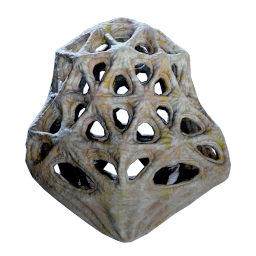
*Gorgon thalamiskos*. A predatory soft coral named for its resemblance to Earth's gorgonians. 1. Sponge-coral moiety Like hard corals on this world, gorgons are sponges inhabited by cnidarian polyps — tiny jellyfish like organisms which live within the sponge and direct its growth. Unlike hard corals, they do not produce a limestone structure or host photosynthetic microbes. They are pure predators. 2. Caged friend The cage gorgon specializes in capturing and protecting a symbiotic partner, which attracts prey for the gorgon to sting and eat. The cage gorgon larva probably adheres to a partner (such as a cherimoya rotsac) and then grows around it, eventually fastening the partner to the seafloor. 3. Duplex larva The free-swimming reproductive stage of the cage gorgon carries cells of a host sponge, like seeds. These seeds are genetically distinct from other sponges in the ecosystem, suggesting the cage gorgon is monogamous with only a single host sponge. Assessment: cutting open the cage gorgon allows access to the symbiotic partner and carries no risk of inflicting pain or suffering. The cage may attract a new partner before healing, or survive while empty.
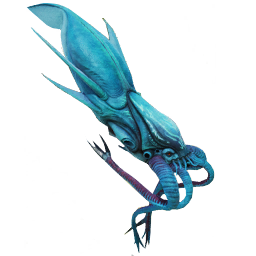
巨大な頭足類の捕食生物(仮学名*ティラノテウティス・フォボコエウス*。恐ろしい好奇心を持つ暴君イカの意)。硬い殻を持った、防御機構が発達した獲物を餌にする。単独行動を取るが、非常に賢く、深海生物である可能性が高い。 1. イカに似たボディプラン この採餌生物の体は地球のイカに似通っており、長い外套膜と、頭部から直接伸びる複数の足を持つ。外套膜はプラスチックの装甲で覆われている。地球のイカとは異なり、狩りのための器用な爪を持つ4本の長い触腕を持っている。8本の足は小さく、くちばしの周囲に集まっている。 2. 強力な噴水器官 2つの大きな噴水孔が、後方にある噴水器官に水を供給している。これらの噴水孔は、えらの働きをする頭部にある4つの穴とは別に存在しており、呼吸のペースを乱さずに噴射の速度を変えることができる。2つの補助心臓が、えらから主心臓に向けて血液を送り出している。 3. 固い獲物 巨大なくちばし(チタン製のプレートを引き裂くことができる)と、バイオグラスでできた鋭い爪を先端に持つ4本の器用な触腕を持っていることから、コレクターは固い装甲を持つ獲物を引き裂いて食べることに適応しているものと思われる。餌となる動物相としては、サンゴガニやグレート・ジョーが考えられる。装甲を持つ活発な獲物に打ち勝つ必要があったことが、好奇心が強く攻撃的な生態を発達させた可能性がある。 4. 発信器官 この巨大でいくつもの部屋に別れた器官は、生物学的なフェーズド・アレイ・ソナーとして機能する。コレクターは、いくつもの「スピーカー」と「耳」を使って、複数の部分で構成される複雑なパルス信号を発信することができる。この器官は高密度の神経によって環状の脳に接続されており、生体発光のパターンには、脳の活動が直接的に反映されている可能性がある。 5. W型の瞳孔 強い光を感じると、瞳孔が収縮してWの形になる。この特徴は地球の頭足類にも見られたが、その機能が明らかになる前に完新世崩壊が起きてしまった。 6. 深海巨大症 深海の生物には非常に巨大なものが多く、この現象は「深海巨大症」と呼ばれている。 評価: 多様で狩るのが難しい狩猟対象を持つ捕食生物は、高い知能と強い好奇心を持つ傾向があり、その好奇心は獲物にとっては拷問のように感じられるかもしれない。小型の潜水艇や居住施設は、コレクターの興味を引く可能性が高い。
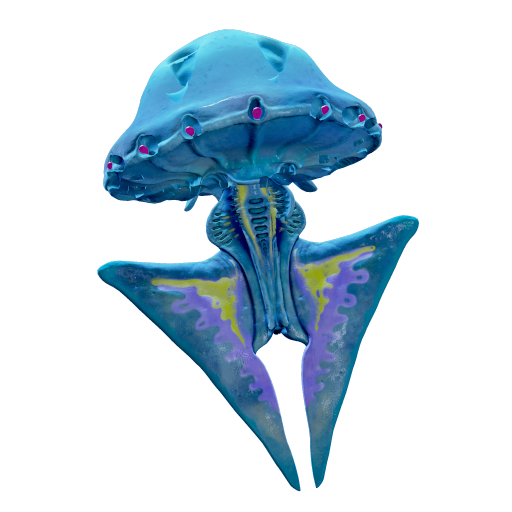
サ-ジ・ゼリー(仮称*スタウロブラキア・キャパシター*)。電気ショックで狩りをする巨大で複雑なゼリー状組織。 1. 単独生物 ポルトガル船のようなコロニー系の生物とは違い、サージ・ゼリーは特異な組織を持つ単独生物であり、地球のクラゲよりもはるかに特化していて複雑な生物である。分類名候補: スタウロブラキア(柱のような腕の意)。 2. 複雑な内部構造 外部の傘にはロパリアと呼ばれる感覚器官が張り巡らされている。神経網が傘の動きを制御することで、泳いだり獲物を探したりする。内部構造の内臓は視認することができる。 3. 摂食の仕組み ゼリーはクローンの集合体だった頃の茎を保持している。茎は内臓に栄養素を送り込む。 4. 有電性のヒレ 2枚の硬いヒレには発電細胞がワイヤーのように張り巡らされている。祖先の触手から進化したと考えられる。これらの臓器は獲物を気絶もしくは殺すために電気を蓄積する。測定可能な電力は1アンペアで400から1000ボルトであり、人間にとっても致死量である。 5. 奇妙なパッセンジャー変異 微量の放射能、高温性ワックス、そして硫酸が含まれていることから、熱水噴出孔と接触していると考えられる。ゼリーの組織の構成から、深海由来の生物であると想定される。 6. 過去に飼いならされていた? ゼリーは電場を通じで遠隔で交信する。それぞれのゼリーの固有名詞や言語文法が存在するかどうかは憶測にすぎないが、パターンを教え込まれた、あるいは学習し、ゼリー代々受け継がれてきたという可能性もある。 評価: 近距離ではある程度の危険を伴う。遠方から調査すべき興味深い研究対象。
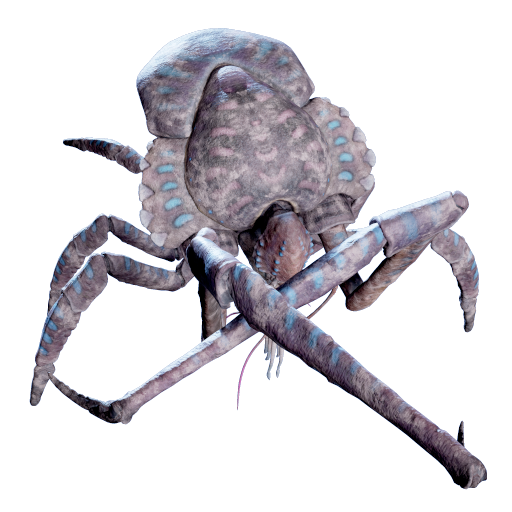
珊瑚ドームに隠れ住む巨大なカニ(仮称*オストラコンセケロス・アナクトラフォア* 硬い脚を持つ宮殿に住む者の意を持つ)。 1. カニ類の構造 前肢によって掘り当てられ、掻き込まれた糧は、口周りの長くて柔らかい顎脚(摂食に使用される脚)によって集められる。カニは脱皮を繰り返すことで成長する。 2. 珊瑚ドーム 付着器から切り離されたドームは生きたまま頭部に載せられる。ドームは擬態と防衛の役割を果たしており、カニの幼生の苗床であると想定される。カニが1つのドームと生涯を共にするのか、成長するにつれて他のドームに乗り換えるのかは不明。 3. 捕食生物の有無 防衛力と挙動から、カニをドームから切り離し、頑丈な甲殻を割る力を持つ強力な捕食生物が存在すると想定される。 4. ウイルスの活動 ゲノムには、神経の成長促進と甲殻の色素を含む大量のレトロウイルスの挿入が繰り返されている。分子時計から最近発生した生物であると想定される。カニの背中の細胞には珊瑚ドームのポリプの断片的なゲノムが多く含まれている。 5. 巨大な脳 サンゴガニは骨髄神経の遺伝子を有していない。目玉の上にある巨大な脳は感覚や行動計画を管理し、脚と消化器官は副次的な神経節によって制御されている。 6. 海底交信 サンゴガニは海底を叩くことで互いに信号を送り合うことができる。爪を鳴らす挙動は、興奮または動揺のサインである可能性が高い。地球のカニの中には、脱皮をする前に望ましい番いを探す「手つなぎ」と呼ばれる挙動を見せる種も存在する。この惑星でも同じ挙動を見せるカニを見つけることができれば、精神的満足感を得られるだろう。 7. 生態系が受けている負荷 鉱物の不足および真菌感染より、環境に負担が掛かっていることが想定される。 評価: あなたがカニを恐れている以上に、カニはあなたを恐れている。警戒しつつ、過度な干渉は避けるように。ゴリラ並みの知性を有している。海底資源の有用な入手源に成り得る。 調査の推奨: カニが糧を得るために日向や栄養が豊富なエリアへドームを運ぶか確認せよ。
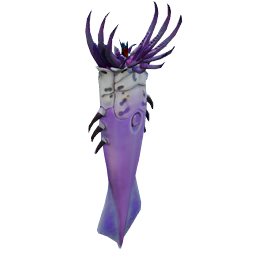
サンドスピアの幼体は、アクスム遺跡、コーラルガーデン、生い茂った遺跡などに登録されている大型の捕食動物です。現在の記録には、メインゾーン内の4つのバイオームに20の確認されたスポーンポイントがリストされており、クラスターの中心は-2899 / 4209 / -102付近にあります。記録された生き物の調整には、HP 1000、最大水泳速度 500 がリストされています。動作データには 6 つの動作行が含まれます。
「生物圏の大部分は虚無だ。5000メートルの深さに広がる砂漠。水面近くに生息する生物は日光を浴びて生を堪能し、やがて死ぬ。その死骸は雪のように海底に降り注ぎ、奇妙な生物たちの糧となる。
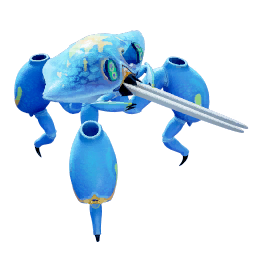
ジェトカリス(仮称*トライポッド・フォンティスカリス*)。社会性を持ち、育仔行動を見せる3本脚の甲殻類。 1. 3脚体構造 地球では、左右対称の体構造が進化の初期段階で取り入れられたため、3本足の生物は存在しない。ジェトカリスの脚は、元々片側に3本ずつあったものが、癒合したと考えられる。小さな前脚は癒合していない。 2. 脚噴射 脚に備わったエラから進化した弁膜噴射器官は、ジェトカリスの浮遊と遊泳を可能にする。脚を癒合し、エラ噴射器官のサイズを2倍にすることで、効率が向上することが数値流体力学のシミュレーションで実証されている。 3. 摂食用の舌 ジェトカリスは2本の長くて柔軟な舌状の器官(食物を扱う顎脚から進化したと考えられる)で食物を探す。前脚はこの舌状の器官の清掃と手入れをする。これらの肢体は敏感であると同時に、再生可能でもある。よって、ジェトカリスは神経を再生することができ、海底で何かに噛みつかれることがあると思われる。 4. 育仔行動同種の幼生を運搬および保護するジェトカリスは、表現力豊かなボディランゲージより、社会性が発達していると考えられる。分光化学を利用した遺伝子分析によれば、保護者の遺伝子的子孫でないことから、一部の幼生が養子である可能性を示している。養子行動は多くの種族で確認されているが、それは理性的な養子行動とは異なる。このような挙動は、本能的であると考えられる。別説としては、ジェトカリスがかつて真社会性の集団として生息しており、1体の女王が幼生を生み、働き手に育児をさせていたという可能性もある。 評価: 基本的には無害。精神的に良い影響を得られると思われる。
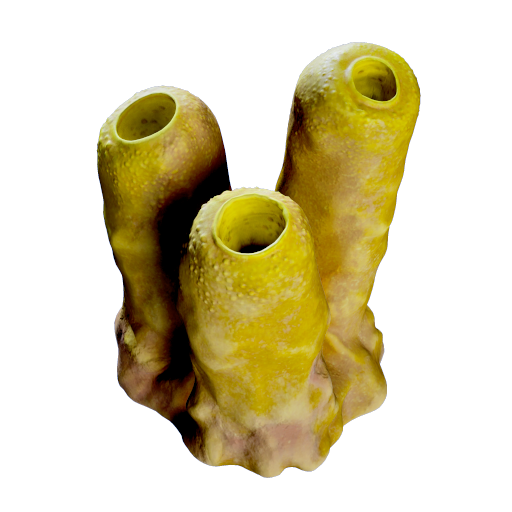
ナヘマ、音声記録開始。地球の昔のある偉大な人物は、こう言っていた。「創造主は星や甲虫が好きだったに違いない。あまりにも数が多すぎる」と。 それから200年経って、私たちは多くの異星生物を見つけたけれど、甲虫はあまり見つかっていない。残念ね、ジャック。だけど、創造主に好き嫌いがあるのは事実なのかもしれない。どこで働くにしても、どうやら最初に手をつけるのは海綿らしい。
ジョーディー(仮名*サルパポッド・ジョーディー*)。骨を持つタコに似た生き物から進化した、ジェット推進する雑食生物。 1. やすり状の口 ジョーディーの硬い口器は、岩から藻類をこそぎ取ったり、小さな甲殻類をかみ砕いたり、棒状の珊瑚を引き抜いたり、ケルプを束ごと刈り取ったりすることができる。 2. 4枚のヒレ 進行方向を制御する4枚のヒレを持ち、その中に4つの胃袋が収められている。このヒレは、骨を持つ脚から進化したのかもしれない。 3. 胃袋 各ヒレ脚には胃袋が収められており、その中には、それぞれがジョーディーの多種多様な食餌の一部に特化したバクテリアがいる。泳ぐ動作が胃の中の食物をかき回し、消化を促進している。 4. 中央のジェット器官 中央にある管の内側は、小さな海洋生物を仕留めることができる刺胞に覆われている。指を挿入しないこと。ジョーディーは、筋肉の収縮によってこの器官から水をジェット噴射することで推進力を得ている。 5. ドーナツ状の絡み合った「脊椎」 ジェット噴射の周囲には、ドーナツのように神経束が巻きついている。脳がドーナツ状の構造になっていることは、大型生物に興味深い副次的影響を及ぼしている可能性がある。 評価: 食用になるが、多くの金属やワックス成分が含まれている。ファブリケーターによる調理を推奨。
*Mephit ceryneian.* A stack of cloned clams adapted to life in very hot water. The central stalk that connects them appears to be a symbiotic worm worm worm worm worm 1. Clamclone Clam stack clone stack! Jelly lei like. Connect on worm like coins on spindle. Monitoring PDA bad output. 2. Genderstack All clone female. Worm forms antlers: emit male cell. Why worm help clam? No more worm. Worm taken over by clam cancer. 3. Hot hot hot! Clams evolve shut forever. Too hot! Never open...but then starve? A ha, eat with tissue fans, withdraw if nibble burn. Starvation solved. 4. Namepun Stack sounds like stag and stack has antlers and stag has antlers. Stagged. Name for hot water living clam? Mephit. Stagged mephit. Assessment: bad output stop.
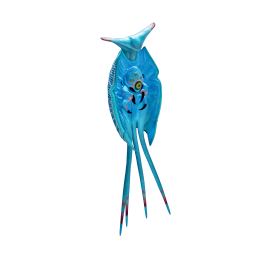
"我々のPDAがセラセカンのような生物を指し示し、「見よ、選ばれることのなかった道を」と声高に言った。地球では貝虫は粘液状の小さな生物である。プロテウスでは巨大サイズに成長する。だが、除染済みの基地での安穏な生活がプロテウスの呼び声を遠ざけるように。安易なアナロジーは真実を覆い隠す。誤っているのは地球の地図だけではない。その根底にある教義そのものもだ。ここでは、進化は道筋など辿らない。" —アニータ・ゴットシャル著「故郷から離れた道」
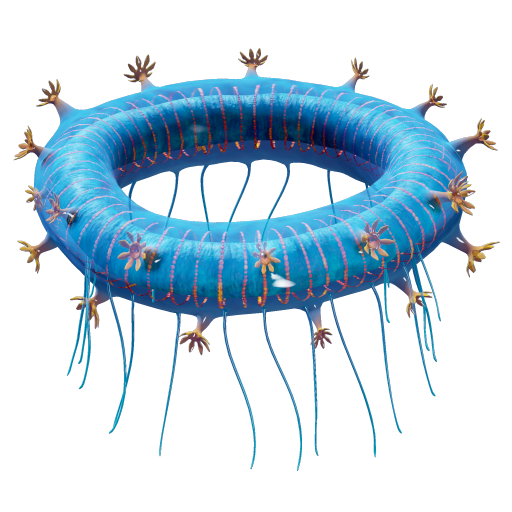
ゼリー・リング(熱を食べるゼリードーナツを意味する*サーモドント・スフガニヤ*という仮の学名が付けられている)。実際にはゼリーではないが、ゼリー質のものが詰まっている。熱水噴出孔の熱と化学物質の流れを摂取して生きている。
ゼリー・リング(熱を食べるゼリードーナツを意味する*サーモドント・スフガニヤ*という仮の学名が付けられている)。実際にはゼリーではないが、ゼリー質のものが詰まっている。熱水噴出孔の熱と化学物質の流れを摂取して生きている。
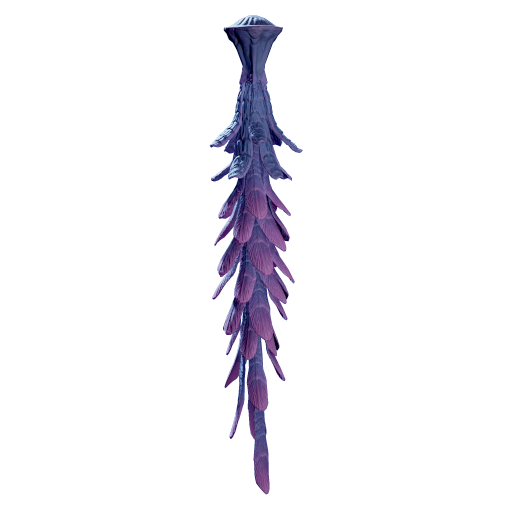
*Anthobrachia hebesoros*, the young stack of flower arms. Reproductive stage of a flower-like jelly. 1. Polyp Despite its resemblance to a kelp, the jelly lei prefers to hang underneath surfaces—where it cannot photosynthesize. It is the rooted polyp phase of a jellyfish's life cycle. The chain of 'flowers' growing beneath the polyp are larval jellyfish, called ephyra. The stalk itself is called a scyphistome. 2. Ephyral traits The budding larvae have broad, flat petals which will eventually merge into the adult jelly's bell. These petals already host photosynthetic symbiotes—it is possible the adult jelly will seek light sources to grow, akin to the terrestrial upside-down jelly. Note the purple color produced by photosynthetic retinal, the same molecule your eyes use to detect light. 3. Heat stress The jelly lei's growth cycle has been accelerated by heat stress. The stalked parent may release its larvae early to allow them to swim clear of hot, oxygen-depleted water. Assessment: sign of ecological crisis.
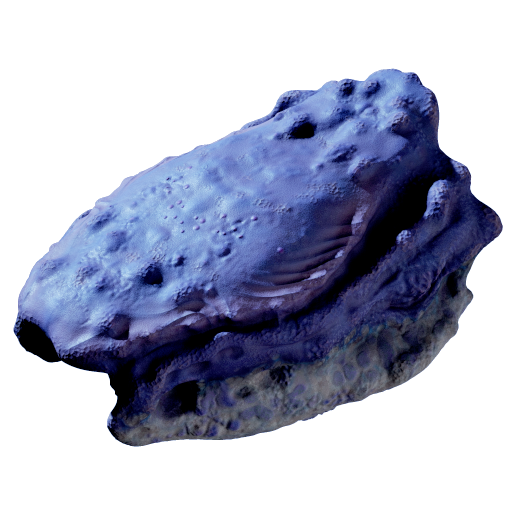
タイタン・ロックボア(リトドント・ティタニカエ)は、遠方にある大きな生物と共通する生物学的特徴を持っている。遠方にある生物は巨大であり、大量の栄養素を必要とすることから、タイタン・ロックボアは中央のタワーにまで繋がっている根かパイプである可能性がある。
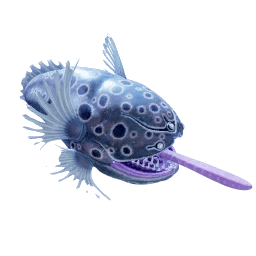
*Postpanoplia epicurean* 貪欲な無装甲の装甲魚。予測不可能で常に空腹で、特に寄生虫の影響下ではさらに狂暴化する。
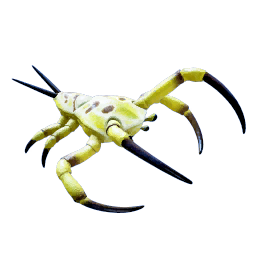
名称*オストラコンスケロス・グロサクェプトゥ*は、「硬い足を持つ舌泥棒」という意味を持つ。口腔内に寄生するカニまたはシラミで、激しい空腹感を引き起こす。
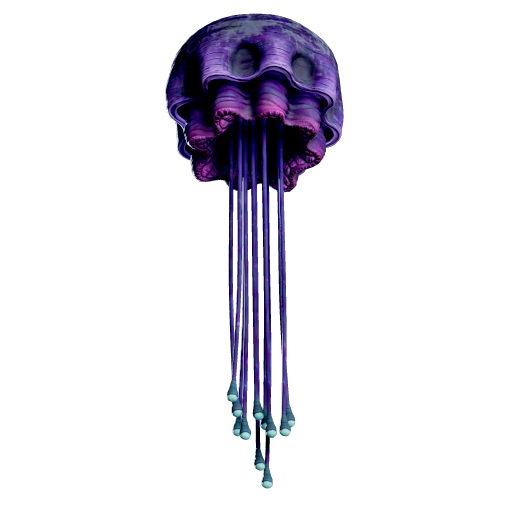
*Salp pendulous*. A sticky, suspension-feeding predator that captures organisms from the current. 1. Salp-like biology Like Earth's salps, this is a colony of zooids — tiny, cloned animals (in this case tunicates) — that form a long, tube-like pump. The salp draws in water to filter for plankton. 2. Hard holdfast The holdfast that anchors the feeding string is secreted by the same zooids that make up the rest of the organism. Spectrogenetic analysis detects proteins similar to those expressed by reefbuilding sponges and corals. 3. Bloom response Terrestrial salps can reproduce very quickly, allowing them to grow with—and devour—sudden blooms of algae. If the algae bloom is too dense, the salps may clog. Assessment: may be a useful indicator of ecological stress. Await further updates.
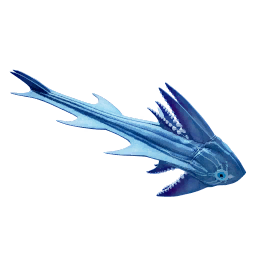
*シタロイド・ジェミニ*、シタールに似た双魚。深海に棲息する帯電性捕食生物で、生態系の撹乱によって海面付近へ移動してきた。
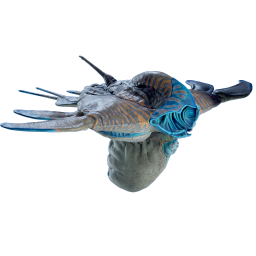
名称*タイタノタグマタプテリヤ・アマルテア*は、「翼分節の豊穣杯」を意味する。巨大な節足動物型リヴァイアサンで、巨大なくちばしと脂肪蓄積物を備える。
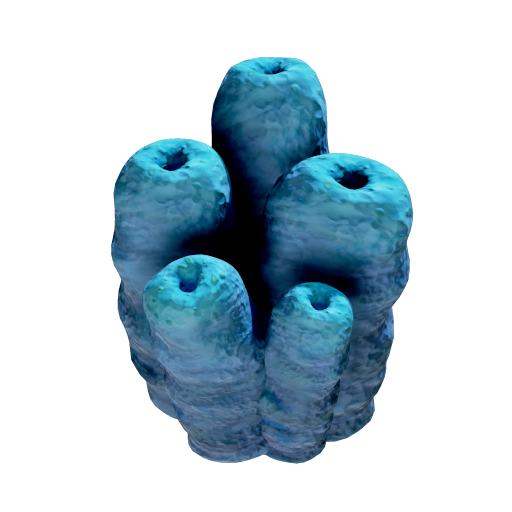
A hateful and malicious sponge. Assessing PDA neural temperature. Reducing output subjectivity. *Symphon achlys*, sponge of dying mist. A dangerous semi-predatory sponge that acts as the central node in a necrobiome. 1. Bacterial arsenal Sponges cultivate bacteria which secrete helpful chemicals. At some point in its history the toxic sponge was infected by a bacterial symbiote which generated a powerful antibiotic (akin to the human Streptomyces). The bacterium used this antibiotic to extinguish competition, then began an internal power struggle to evolve compounds that could destroy rival strains of its own species. The result is a sponge flush with an antibiotic so concentrated it causes skin burns and nerve damage. 2. Touch based hunting strategy When brushed, the sponge contracts sharply, expelling a cloud of antibiotic toxin. Microorganisms are killed, and larger species may enter convulsions and die nearby. The dead matter decomposes, releasing nutrients upon which the sponge feeds. 3. Animal gene fragments The toxic sponge's genetic code contains fragment of an animal genome: likely a crustacean. Assessment: avoid. Keep medical supplies on hand to treat chemical burns and nerve damage.
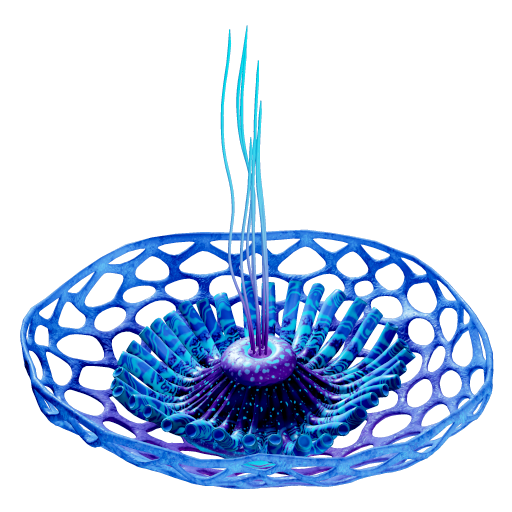
*Raion calix*. A puzzling combination of worm colony (the raion) and slime mold. 1. Feeding strategy Feeds on drifting matter, though the worms also sting and kill meiofauna (small sea life between 45 nm and 1 mm in size). 2. Glassy central structure The central structure is a glasy spicule similar to those found in Earth's glass sponges. The worms live in this structure, creating a raion — a sponge inhabited by worms. 3. "Tripe bowl" The ‘tripe bowl’ around the base is a single enormous cell, similar to Earth’s syncytial slime molds. The structure resembles the lining of a cow’s stomach, although this Voronoi pattern is common to self-organizing structures in many exobiologies. Its function is unclear. In terrestrial analogs, syncytial structures can be found in both healthy tissues like muscles and in tissues infected by certain viruses. Optogenetic analysis cannot determine the tripe bowl's genetic ancestry. Assessment: biological enigma. Await further updates.
*マンゴー・ケストロス* 牙を射出するサメ。縄張り意識の強い捕食生物で、先端にウランの付いた牙を秒速20メートルで発射することができる。
ニブラー・マンゴー(仮称*マンゴー・トゥルクタ*)。削り取りによる摂食に適応した厄介な雑食生物。躊躇なく、魚、海綿生物、ケルプ、そして人間の手足に噛みつく。
Noon gorgon (tentatively *Gorgonian meridiem).* A predatory soft coral that lures prey by mimicking the sun in the dark. The brightest noon gorgon in a cave will attract the majority of the prey, creating an arms race to be as bright as possible. Noon gorgons feed much of their energy to their symbiotic light-producing lucifer rotsac. The ancestral noon gorgon may have evolved to grow towards or around lucifer rotsacs, using them as bait. Eventually, a symbiotic partnership developed. Expect noon gorgons to modify their spectrum in different depths and biomes.
*Anthobrachia necrolei*. A clonal stalk of large jellies, similar to Earth's stauromedusae. Each jelly remains moored to the stalk, rather than maturing into a free-swimming medusa. 1. Enormous size and hunger Rather than feeding on prey, the necrolei gathers dead matter from the seawater. The size and height of the stalk are directly related to the rate of death and decay up-current. 2. Acid-yielding metabolism The necrolei has adapted to low-oxygen seawater. It ferments much of the matter it collects in a central 'basket' stomach, a process which requires no oxygen and yields strong acids. The necrolei concentrates these acids around its eggs as a defense. Assessment: large numbers of necrolei in this region indicate a bloom, a population explosion caused by a flood of nutrients. This is a poor sign for the health of the ecosystem and perhaps for the state of the global climate. Produces egg clusters that can be processed into strong acid.
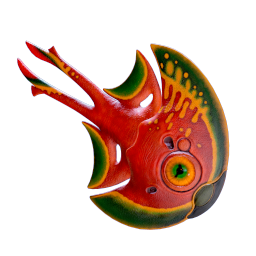
ハーフムーン(仮称*モリフォーム・ルナ*)。海水からプランクトンを濾し取り、小さな付着生物を捕食する大型の飼料魚。 1. 被食魚 捕食生物の典型的な食料であるため、多くの逃避・隠蔽反応を身に着けている。食用になるが、ファブリケーターで調理することが推奨される。 2. 用途が分かれた水流経路 捕食のために海水を取り込む2つの弁膜が硬いくちばしによって守られており、それとは別に、眼球の後ろにある呼吸専用の空気孔が海水をエラに循環させる。 3. 機敏性に適した体構造 水の流れを感知する感覚器官が体中に備わっている。前ビレには、急な方向転換を可能にする開口部(穴)が備わっている。狭い空間やハーフムーンの密集した魚群を移動できるように進化したと思われる。 4. 独特の神経系 自発的な動作によって生じる感覚信号を打ち消す機能が備わっていないため、自身の動きと身の回りの環境の変化が生む刺激を区別することができない。明るい光に簡単に引き寄せられ、自身が光源であると勘違いすることもある。理由もなく横に泳ぐなど、時々方向感覚を失ったかのような挙動を見せる。 評価: かろうじて食料源となる。
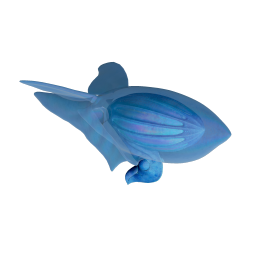
特異な飛翔型捕食者*ハイセアン・ハイセアン*は、水素を多く含んだ大気と、海が存在するハイセアン惑星にちなんで名づけられた。
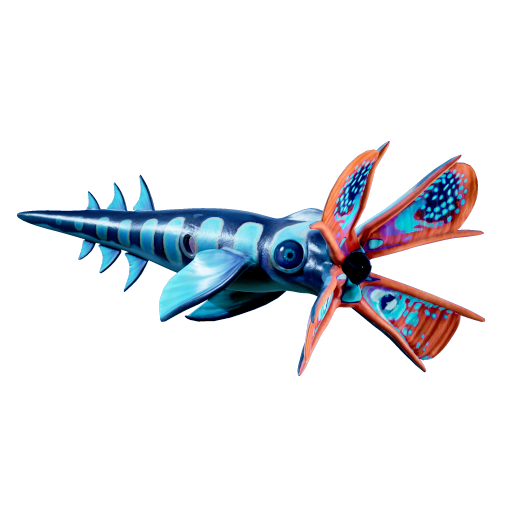
ハウンドガー(仮称*テウシス・コーサー*)。待ち伏せるマローブリーチのもとに獲物をおびき寄せるイカ。 1. イカの体構造 地球のイカと大まかな体構造が一致する。くちばしのある頭部、8本の肢体、細長い軟体、2枚のヒレを持つ。ヒレ構造の発達から地球のイカとは異なる進化歴史を持つと考えられる。2つの弁膜がハウンドガーの内部のエラに水を循環させる。 2. 擬態行為 ハウンドガーはつの膜に繋がれた8本の肢体を獲物に披露する。何百万もの色素胞(生物学的ピクセル)が接近するハウンドガーを覆い隠す動作のパターンを生み出す。 3. マローブリーチとの共同性 ハウンドガーがマローブリーチの理想的な獲物であるにも関わらず、2種の生物は共同で狩りを行う。ハウンドガーは獲物を隠れ場所からおびき出し、誇示行為で獲物の気を引きつつ、視力が弱いマローブリーチに合図を送る。ハウンドガーは獲物の残骸を摂食するため、獲物が大きいほどハウンドガーの利益も大きい。 4. 強力なくちばし ハウンドガーのオウムのようなくちばしは、肉繊維を食いちぎることができる。ハウンドガーが呑み込んだものは、脳の中枢を通過するため、くちばしは重要な役割を果たしている。 5. 推測される社会構造 ハウンドガーの群れはマローブリーチのために適した獲物を見つけなければ捕食されてしまう。そして、マローブリーチは獲物の取り分を増やすことで、優れたハウンドガーを仲間にしなければならない。ハウンドガーは、マローブリーチがより大きな獲物を狙うのを促進する役割を果たしている。ハウンドガーとマローブリーチが相互利益的な関係を築く様は、アルテラ・アルムスのスローガン「誰もが必要とされなければならない」を改めて意識させてくれる光景である。 評価: ハウンドガーはマローブリーチの攻撃の前触れである可能性がある。恐らく知能を有しており、調教が可能と思われる。
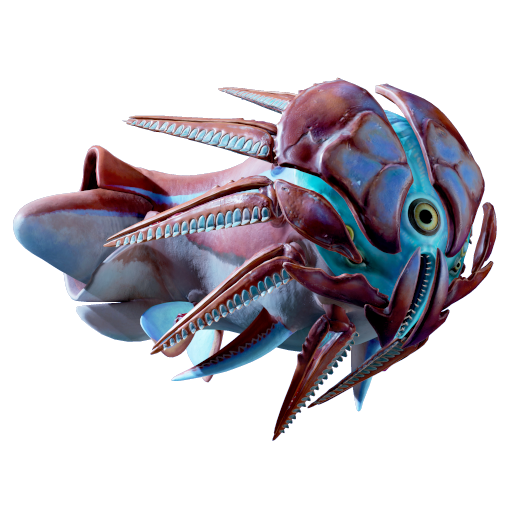
ハンマーヘッド(仮名称*パノプリア・ハンマーヘッド*)。硬い外皮で守られ、強力な突進力を誇る、縄張りを持つ群生草食生物。 1. ハンマーのような頭 縄張りに入り込んだ侵入者、特に他のハンマーヘッドを威嚇する。攻撃する前に胸ビレを誇示し、エナメル質の頭部の盾状構造を閉じる。 2. ジェット推進 眼の後ろにある空気孔は、内部にエラを備えたジェット噴射管に繋がっている。ハンマーヘッドはこの噴射管を活用して瞬時に突進できる。 3. 巨大な脳 脳は保護用の嚢胞の中に浮かんでいる。中央の目は色を感知し、より小さな2つの目は動きを感知して突進攻撃の狙いを付ける役に立つ。 4. 草食用の顎 筋肉質な縦型の顎を持っていることから、海綿生物、ケルプ、尾索生物、そしておそらく砕いた珊瑚を摂食すると考えられる。採食エリアを守るために縄張り意識が強くなった可能性あり。 5. 鍛錬のための行動? ハンマーヘッドには珊瑚ドームに突進する習性があるが、適応的利点は不明。盾状構造を頑丈にするための行動と推測される。 乗り物を操縦している際は特に注意が必要。人間にとって非常に危険な種も存在した地球の有蹄類と、同等の社会的認知能力を有している可能性がある。突進エリア(「レック」と呼ばれる)は海洋騒音の一大発生源である。
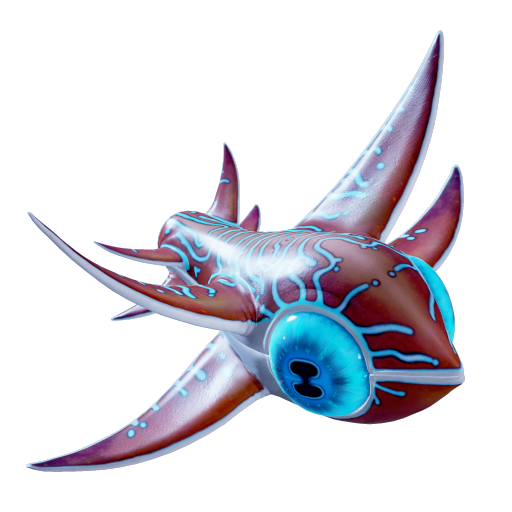
フォーアイ(モロコトフォルム・デュプックス)つねに一卵性双生魚として2匹同時に誕生する捕食性の魚類。この双魚は腹合わせに組み合わさり、消化器官と神経系を単一の器官のように機能させる。
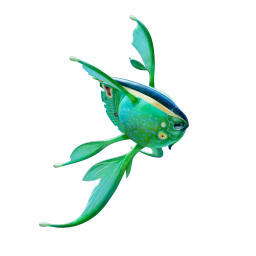
未発見のケルプ種の浮袋に擬態する捕食魚。
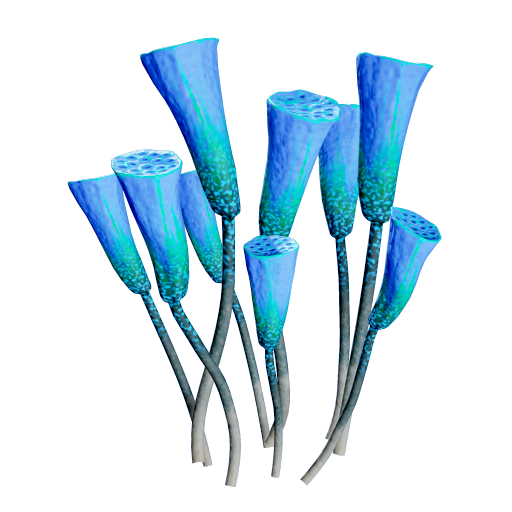
*Spraion flagon*. Databank generation alert: known scientific theory inadequate to explain specimen. Interpretation and improvisation may lead to error. 1. Sponge-worm hybrid Like the raions, this is a sponge occupied by worms. The sponge pumps seawater, while the worms feed on meioafauna in the current. In this 'spraion' the two organisms have become genetically entwined: each can give birth to the other. This defies conventional evolutionary theory, which uses reproductive barriers to define species. 2. Alternating generations Some of the sponge's germ cells undergo a transformation into worm embryos. This transformation involves the activation and expression of stored genetic material from the worm genome. Adult worms leave the sponge, swim to a new anchor site, and die. Their bodies provide food to a newborn flagon sponge. 3. Possible explanations The simplest explanation is that these are two alternating generations of the same organism — like the polyp and medusa stages of the jellyfish life cycle. But spectrogenetic analysis suggest the flagon sponge and its resident worms evolved tens of millions of years apart. Exactly how the reproductive cells of one organism can yield an adult of another species is unknown. Assessment: advise further investigation. May yield insight into genetic adaptations specific to this world. Await further updates.
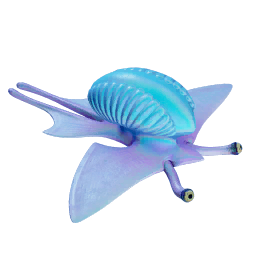
*シースラッグ・クレプトファロス* 光源を奪うナメクジ。自由に泳ぎ、発光する水生ナメクジの近縁種で、全く異なる種から形質を取り込んだキメラ的特徴を持つ。
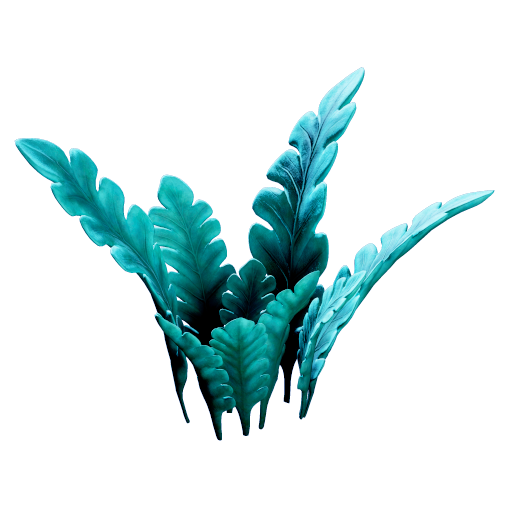
*Ventworm cryocthonian*, the vent worm that brings cold from below. 1. Vent worm The fridge worm's body plan is familiar from terrestrial analogs — a tubular body with a protruding gill. The body hosts a colony of symbiotic bacteria in a chamber called the trophosome ("feeding body"). These bacteria help the worm survive extreme environments. 2. Cold water emitter The cryocthonian lives in colonies along geothermal gradients—from hot to cold. It exploits the flow of energy and minerals through the rock to feed. Colonies pumps deep, cold brine (usually at 4 degrees C) to the worms exposed to hot water, helping regulate their temperature. 3. Sulfur-based metabolism The symbiotic bacteria in the fridge worm feed on sulfur and other dissolved minerals. The fridge worm uses cold deep-sea brine to trigger chemical reactions which help collect minerals from the hot vent water. Assessment: Produces pockets of cold water. May attract life that cannot tolerate the surrounding heat.
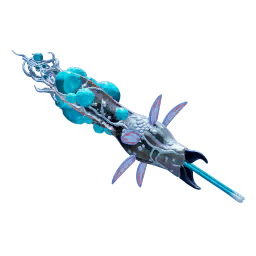
血や体液を摂食する、くちばしを持つ腕なし頭足類(イカに類似)。大型RNAウイルス(自動生成名称: プロテウイルス・ベータ)に深刻に感染したことにより、行動が変化している。
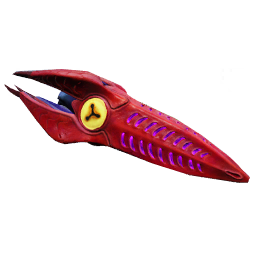
群生し高速で移動する捕食生物であり、洞窟内に潜伏して、交尾対象を探す生体発光体を捕食する。光と音を頼りに狩りを行う。EA1に生息せず。
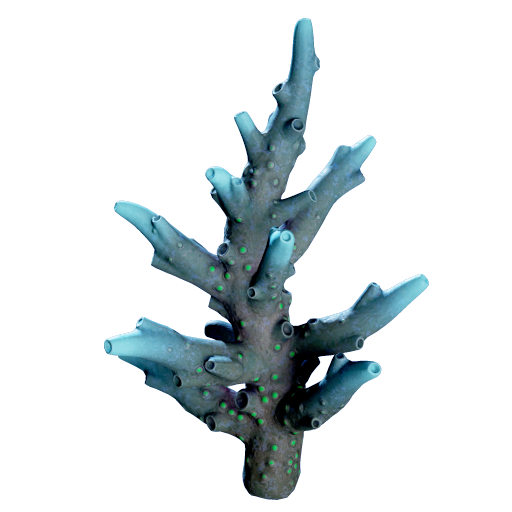
*Hecaton tunic*. Named for the hundred-handed hecatoncheires of Greek myth. A complex of animals undergoing competitive sex differentiation. 1. Anatomy Each pore on the surface of the hecaton is the mouth of a tunic, a complex filter-feeding animal. The colony's branching structure allows each tunicate acces to the water so it can breathe and eat. Each tunic grows a flexible, semi-hard polyvinyl shell which merges with the neighbors' tunics, defending the entire colony. 2. Growth patterns Analysis suggests the colony begins as a single stem of identical tunicates cloned from an embryo. More successful tunicates become large and sexually mature, starting new arms of the colony and developing their own eggs. Less successful tunicates are driven to the ends of the arms, where they shrink and develop a teal bioluminescence. 3. Viral reproduction The less successful tunicates do not release sperm. Instead, they are heavily infected by a strain of large RNA virus in the seawater. The majority of the tunic's genome consists of copies of this virus insert by retroviral action. How the hecaton tunic fertilizes eggs is therefore unclear—it seems to lack sperm cells. Assessment: reproductive enigma. Await further updates.
Veps Sensor is fauna catalogued from the current creature data. No combat stat block is attached to this entry, so the wiki profile focuses on the structured habitat and spawn facts available.
Veps Defender is fauna catalogued from the current creature data. No combat stat block is attached to this entry, so the wiki profile focuses on the structured habitat and spawn facts available.
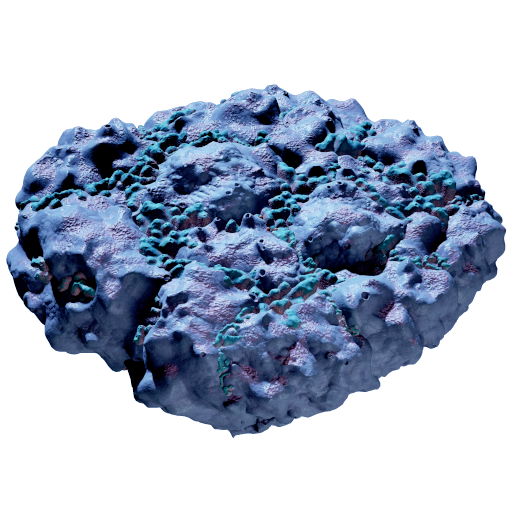
*Sporal psephos*. A moiety (two paired species) of a sponge and a coral. Possibly a single chimeric organism. 1. Reefbuilding Reefbuilding on this world seems to be carried out by a range of sponge-coral pairings. In hard corals, the sponge has lost its ability to feed independently and provides a hard shell for the corals. In this organism, the relationship is reversed: the coral polyps grow a hard surface shell, while the sponges continue to pump water. Because the hard shell blocks the sponges' pores, they work in pairs, with one inhaling through its osculum and one exhaling. 2. Dome coral association Frequently found on the surface of the larger dome coral, blocking patches of its surface from receiving sunlight. This may be an opportunistic/parasitic relationship. 3. Confusing genetics Both coral polyps and sponge cells seem to carry the full genome of both organisms, blurring the definition of a species. It is unknown how a single organism can contain genomes for two biologically distinct species; the two cannot reproduce sexually to combine their genes. Assessment: interesting data point.
名称*オストラコンスケロス・ペリスコピオン*は、「硬い脚を持つ潜望鏡」を意味する。刺胞を持つアネモネを住みかとする、社会性を持つカニ。
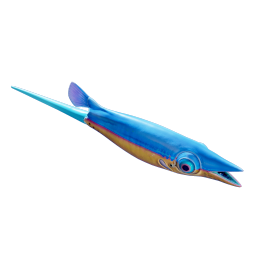
食用にはなるが可食部が少ない。独自の電磁推進により掴みにくい。
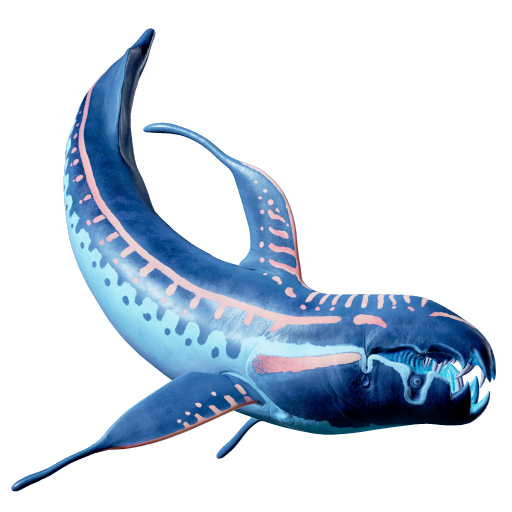
マローブリーチ(仮称*マンゴー・マローブリーチ*)。
マロウブリーチ・ジャイアントは墓地に登録されている受動的動物です。現在の記録では、メイン ゾーン内の 1 つのバイオームに確認されたスポーン ポイントが 1 つリストされており、クラスターの中心は -2919 / 4469 / -68 付近にあります。このパッシブエントリには戦闘統計が添付されていないため、Wiki プロファイルは生息地の配置、スポーンの観察、脅威の分類に重点を置いています。
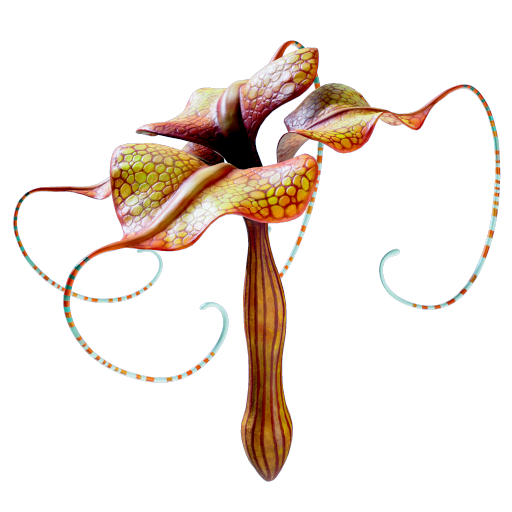
Tentatively *Pyloraptor mimic*. A predatory animal disguised as a leafy kelp. Discharges electrical shock when disturbed. 1. Cephalopod-like body Resembles an octopus or squid planted mantle-down in the seabed, with its arms spread to mimic kelp. Pouches of symbiotic bacteria between the arms allow it to photosynthesize. A beak at the center of its arms is plugged with mucus. 2. Electrical hunting The four arms contain electrocytes, organs which build up an electrical charge. When disturbed by prey, the electrocysts discharge, causing paralysis or death. It is unclear if the prey are directly eaten, or if they decompose in a garden around the mimic pylon. (Organisms which feed on external decay are known as saprotrophs.) 3. Implies kelp The pylon's cryptic aggressive mimicry of leafy kelp implies that kelp must exist on this world. Most species in Earths' oceans eat to survive, with primary production (the conversion of sunlight into biomass) carried out by plankton and algae. Leafy kelp were a late evolutionary development. 4. Cave mouth strategy Mimic pylons tend to cluster around sea cave entrances, perhaps to feed on organisms entering or leaving the caves. Alternately (and speculatively) they may have been planted there by another species to control access. Assessment: avoid contact to prevent injury. May mark cave mouths.
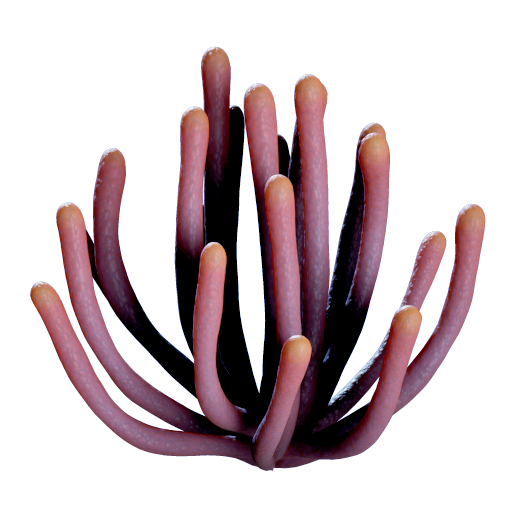
*Gorgon Kryphakous* or Listening Gorgon. A soft coral with dull olive filaments. A predatory filter feeder that sways with the current like kelp. Not known to be hostile or harmful to humans, but remains under observation (see notes below). 1. Sound sensitive Dissecting the Listening Gorgon's basal filaments reveals a web of vibration-sensitive cilia hidden in its soft, gelatinous core. These can detect movement through water at resolutions not seen except in the airflow sensors of clip-winged gnats on Kepler-22b - enough to pick up the swish of a tail through miles of water. 2. Reactive orientation At first the listening gorgon appeared inert, but its movement is simply too slow to be perceived. It has been observed to orient itself over time to specific low-frequency vibrations. It will do this even if food is less abundant in that direction. 3. Silent. The Gorgon kryphakous has no vibration-producing organs. It emits no detectable signals - no chemical plumes nor bioluminescence. It is essentially silent across all known communication spectra. ASSESSMENT: Requires further analysis. One leading hypothesis suggests that the Listening Gorgon once tracked the low-frequency vibrations of a massive, slow-moving marine species - now possibly extinct, or still undetected in the deeper zones of Proteus’s oceans. If so, the open question is whether this trait evolved in response to an ecological partner... or a threat
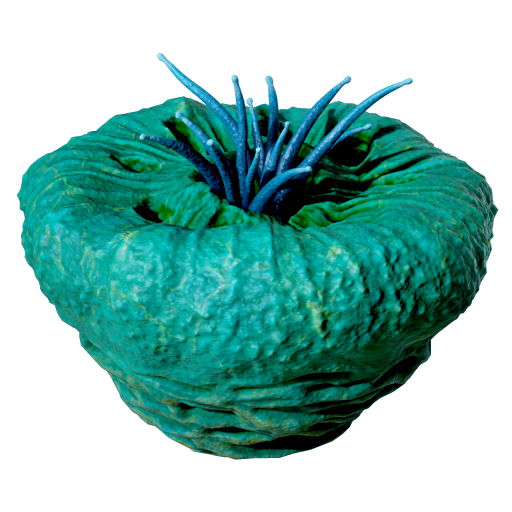
An organism (tentatively *Raion donut*) that resembles an Earthly anemone or ceriantherian, but is actually a sponge occupied by a colony of predatory worms. 1. Raion An organism defined as a sponge occupied by a colony of cloned predatory worms. 2. Hunting strategy The worms live in the sponge's jelly (called the mesohyl), protruding from its anus (the osculum) to sting passing prey with sticky cells and draw them into the sponge. 3. Puzzling genetics Spectrogenetic analysis indicates the host sponge and the resident worms contain partial copies of each others' genomes. This is a biological impossibility on Earth, and suggests that genetic inheritance functions differently on this world. Assessment: minor sting hazard — do not insert fingers. Important scientific discovery.

ワックスムーンは、アクスム遺跡、コロニストバンカー、コーラルガーデンなどに登録されている捕食動物です。現在の記録には、メインゾーン内の4つのバイオームに15の確認されたスポーンポイントがリストされており、クラスターの中心は-2341 / 4282 / -143付近にあります。このエントリには戦闘統計ブロックが添付されていないため、Wiki プロファイルは構造化された生息地と入手可能なスポーン事実に焦点を当てています。動作データには 6 つの動作行が含まれます。
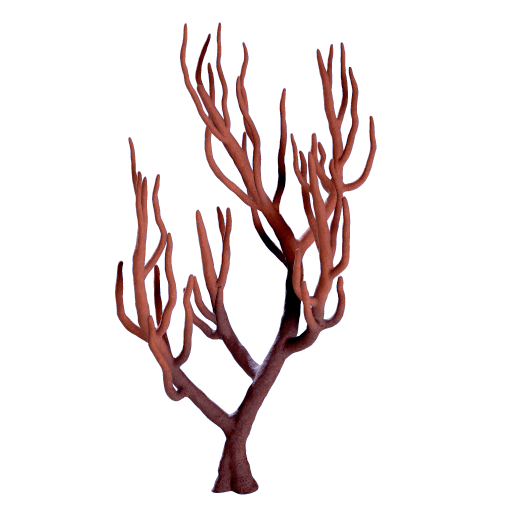
ナヘマ、音声記録開始。これはプロテアの珊瑚としては典型的だけど、*地球*の珊瑚とは違う。うん、外部形態は絶滅したミドリイシのような枝分かれした構造のように見えるけれど、内部を見ると妙なことになってる。 地球の珊瑚は、石の家を作るクラゲのような小さな生物。だけどプロテウスの珊瑚は...むしろ集合住宅みたいなものね。海綿。珊瑚ポリプがその孔の中に住んでいて...家賃代わりに掃除や防衛をしている。一部の海綿は硬化し、地球の硬骨海綿のような構造になった。 私の仮設が正しければ、やがて一部の海綿は硬化し、 地球の硬骨海綿のような構造になった。それぞれが特定の生態ニッチに適応している。 問題は...この遺伝子に何が起きているのか、ね。
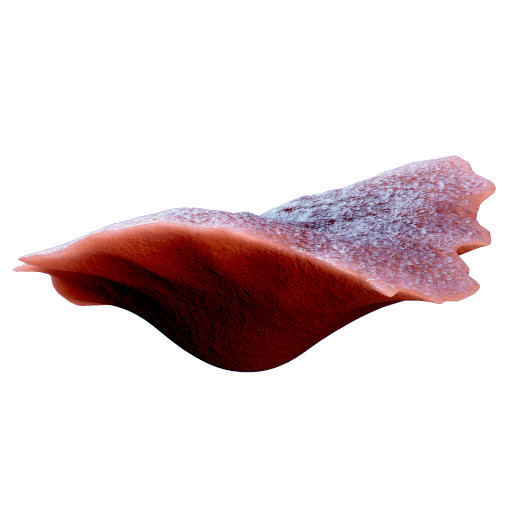
熱水噴出孔付近でよく見られる硬質珊瑚。岩に固着している部位と、冷水に晒されている縁部の温度勾配を利用して代謝反応を促進している。
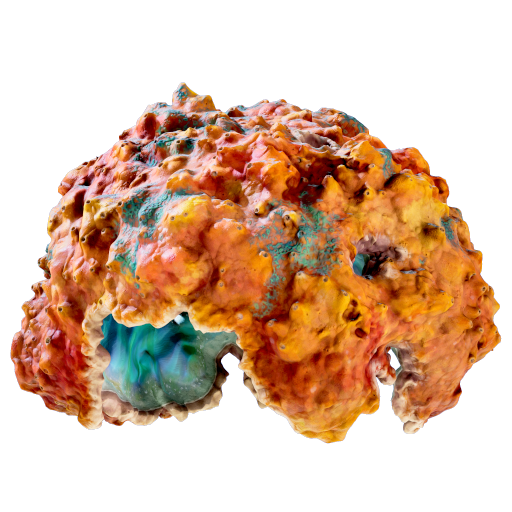
*Coral geodesica*. The defining feature of its shallow biome. 1. Coral analog Like Earthly coral, the dome is a colony of polyps, small jellyfish-like animals that secrete a limestone skeleton. This process uses dissolved carbon dioxide from the seawater: corals are therefore an important method of climate regulation, since they transform atmospheric carbon into hard limestone. 2. Dual feeding strategy The dome's outer surface feeds on sunlight, using photosynthetic symbiotes known as zooxanthellae. As the dome grows, the colony clears its interior, recycling the limestone for reuse. Polyps on the inside of the dome hunt with stinging tentacles. 3. Mineral expulsion As the dome grows, it collects and expels mineral waste, creating nodes of quartz. 4. Critical ecosystem element The dome corals help regulate global climate and provide a breakwater, reducing erosion in their shallow surroundings. The domes capture nutritious sediments from sea currents. Pioneers should prioritize a survey of coral health. Assessment: critical source of quartz. Vital to the local ecosystem.