Wiki Subnautica 2 Guía de campo
Novedades
91 entradas

Formas de vida

Fauna y flora: comportamiento, hábitats, escaneos y puntos del mapa.

Formas de vida
91
Depredadores
12
Sésiles
36
Flora
10
Babosa de agua
Móviles

Babosa de agua

fauna

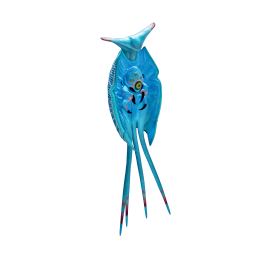
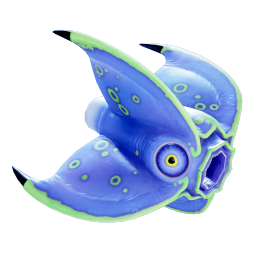
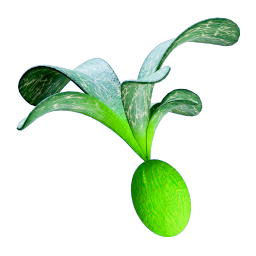
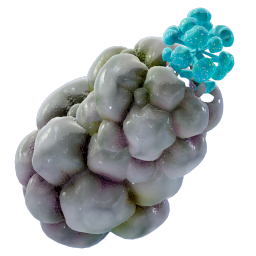
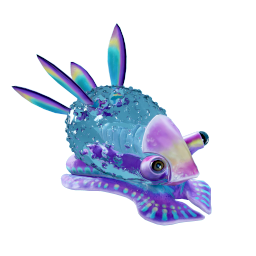
Babosa de agua (tentativamente *babosa de mar hidroclasta*). Es un enigma biológico que convierte el agua marina en agua dulce potable. 1. Célula de combustible microbiana Quitar la sal del agua marina requiere de mucha energía. No obstante, la babosa de agua lo hace, quizá como consecuencia de un reactor microbiano interno que se alimenta de los desechos del agua marina. 2. Reserva de agua dulce Un bulbo plástico hidrofóbico que protege a la babosa de una rápida deshidratación provocada por el agua salada. 3. Granja de plancton El bulbo acuoso de la babosa aloja a una especie de plancton altamente productiva que transforma la luz en comida. Es posible que el agua dulce sea necesaria para la química del plancton, o quizá sea una prisión, un modo de evitar que el plancton se vaya. 4. Aura vampírica El pico desarrollado de la babosa de agua tiene una superficie cortante. Su historia evolutiva podría derivar de un parásito o comensal, que accede a la sangre del huésped y filtra las toxinas. Evaluación: única fuente cercana de agua potable. Se recomienda cocinar con el fabricador antes de beber. En caso de desarrollar problemas renales, considera dejar que la babosa de agua se alimente de tu sangre.
Babosa luminosa
Móviles

Babosa luminosa

fauna · 30 Puntos mapa

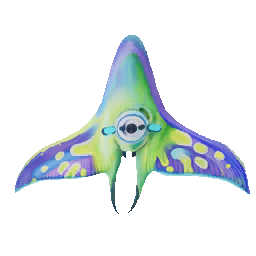
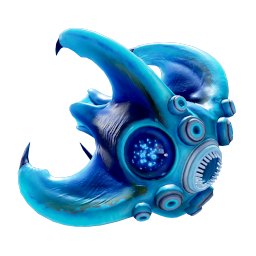
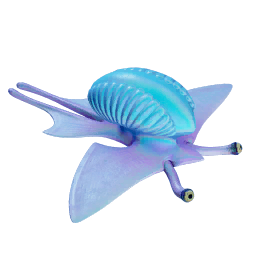
*Babosa de mar kleptopharos*, la babosa baliza robada. Un pariente luminiscente de la babosa de mar que nada libremente y que presenta rasgos quiméricos de otra especie completamente diferente.

Banco de peces cola aleteante
Móviles

Banco de peces cola aleteante

fauna · 213 Puntos mapa

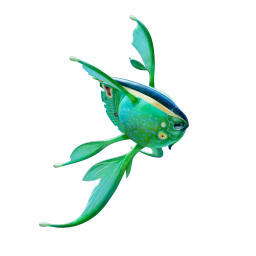
Fish School Flutter Tail es fauna pasiva catalogada en Colonist Bunker, Coral Gardens, Graveyard y 3 más. Los registros actuales enumeran 213 puntos de generación confirmados en 6 biomas, en Default Devmap, Main, PCG Zoo y 2 zonas más, con el grupo centrado cerca de -1906/2502/-26. No se adjuntan estadísticas de combate a esta entrada pasiva, por lo que el perfil wiki se centra en la ubicación del hábitat, las observaciones de generación y la clasificación de amenazas.

Banco de peces media luna espejo
Móviles

Banco de peces media luna espejo

fauna · 186 Puntos mapa

Fish School Mirrorhalfmoon es fauna pasiva catalogada en Colonist Bunker, Coral Gardens, Plateaus y 1 más. Los registros actuales enumeran 186 puntos de generación confirmados en 4 biomas, en Default Devmap, Gameplayzoo Stimuli, Main y 3 zonas más, con el grupo centrado cerca de -1628/2060/-20. No se adjuntan estadísticas de combate a esta entrada pasiva, por lo que el perfil wiki se centra en la ubicación del hábitat, las observaciones de generación y la clasificación de amenazas.

BPD
Móviles

BPD

fauna

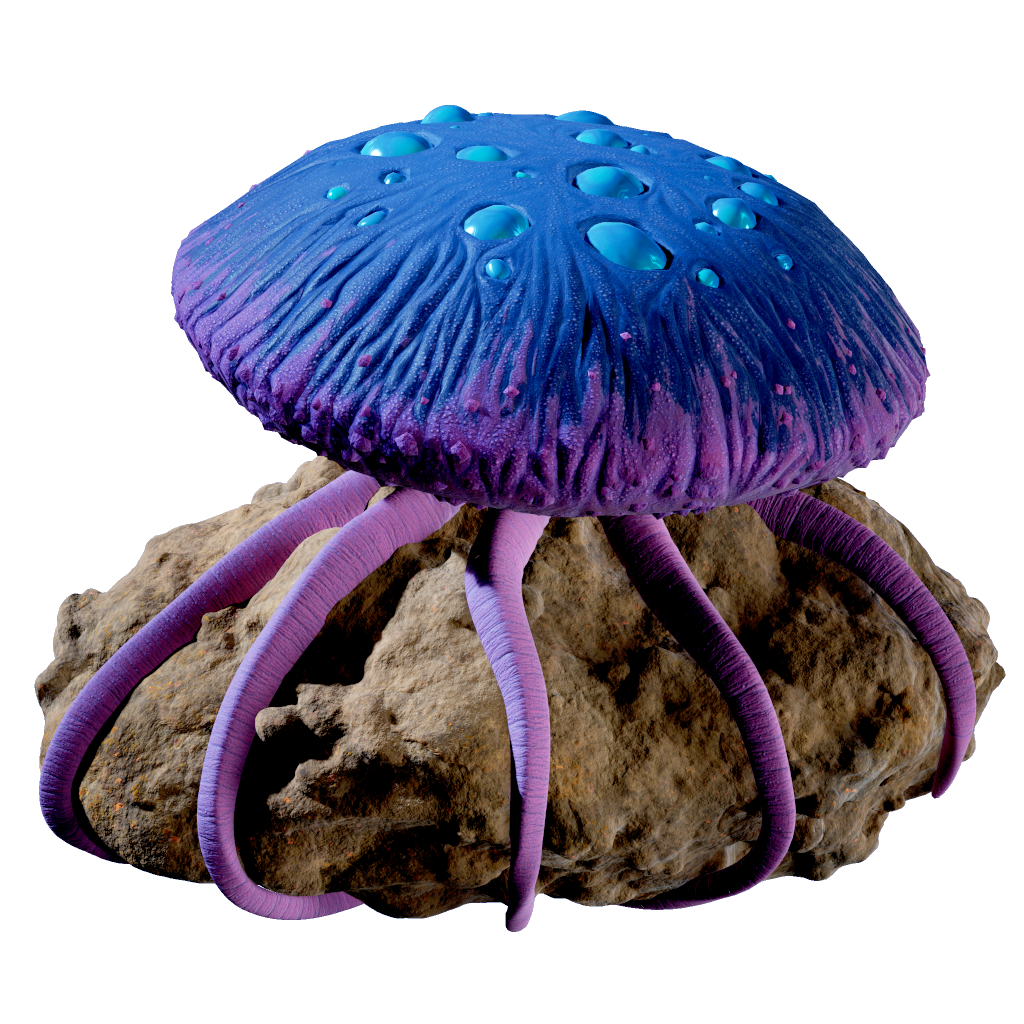
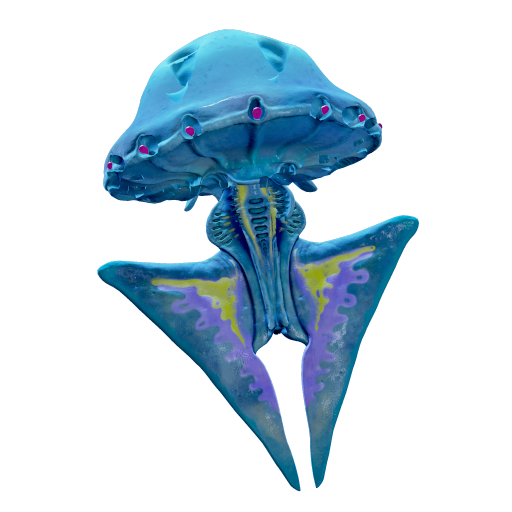
*Dactylbrachia gigas*, la medusa bégimo de patas dactilares. Se trata de un espécimen enorme sin equivalente en la Tierra.

Cabeza de bala
Móviles

Cabeza de bala

fauna · 206 Puntos mapa

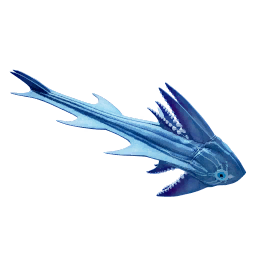
Un depredador de enjambre de gran velocidad que merodea en cuevas y caza organismos bioluminiscentes en busca de parejas. La luz y el sonido lo llevan a adoptar un estado de caza. No está presente en EA1.

Cabeza de martillo
Móviles

Cabeza de martillo

fauna · 10 Puntos mapa

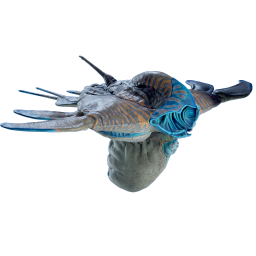
Cabeza de martillo (tentativamente *Cabeza de martillo panoplia*). Es un herbívoro acorazado y territorial que vive en manada y posee una poderosa embestida. 1. Cabeza de martillo Desafía a los intrusos en su territorio, sobre todo a otros cabeza de martillo. Exhibe sus aletas pectorales y cierra su escudo cefálico esmaltado antes de atacar. 2. Propulsión Los espiráculos que tiene detrás de los ojos conducen a un canal propulsor con branquias internas. Esto impulsa las embestidas repentinas del cabeza de martillo. 3. Cerebro grande Flota en un quiste protector. El ojo central detecta color, mientras que dos ojos sensibles al movimiento más pequeños guían la embestida. 4. Mandíbula de pastoreo La mandíbula vertical muscular sugiere una dieta de esponjas, algas, tunicados y posiblemente coral triturado. La necesidad de proteger una zona de pastoreo puede haber hecho que el cabeza de martillo desarrollara su territorialidad. 5. ¿Comportamiento de práctica? Los cabeza de martillo embisten cúpulas de coral. El beneficio adaptativo no está claro; puede que sea para fortalecer sus escudos. Se recomienda precaución, sobre todo al pilotear vehículos. Podría poseer cierta cognición social comparable a la de los ungulados de la Tierra, algunos de los cuales eran sumamente peligrosos para los humanos. Las zonas de embestida (llamadas leks) son una fuente importante de ruido oceánico.

Cangrejo de coral
Móviles

Cangrejo de coral

fauna · 7 Puntos mapa

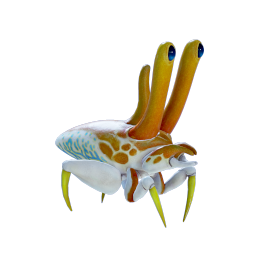
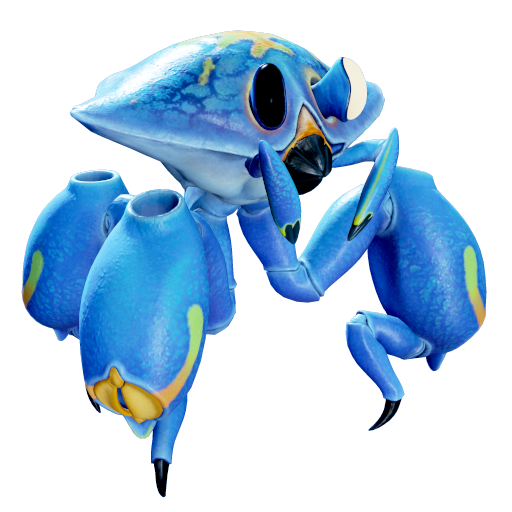
Un cangrejo enorme (tentativamente *Ostrakonskelos anaktoraphore*, abanderado real de patas duras) que se oculta entre las cúpulas de coral. 1. Plan corporal de cangrejo Las extremidades anteriores rastrillan y excavan en busca de comida que recolectan con unos maxilípedos largos y blandos (extremidades que se ocupan del alimento) que tienen alrededor de la boca. El cangrejo debe mudar la piel para crecer. 2. Cúpula de coral Una cúpula de coral viviente cortada de su rizoide. Brinda camuflaje, protección y quizá una guardería para las crías del cangrejo. ¿Eligen una cúpula de forma permanente o las cambian a medida que crecen? 3. Depredador implícito Sus defensas y comportamiento implican la existencia de un depredador lo bastante poderoso y hábil como para desbullar al cangrejo de su cúpula y quebrar su pesada armadura. 4. Actividad vírica El genoma contiene insertos retrovirales grandes, que incluyen factores de crecimiento nervioso y pigmentos del caparazón. El reloj molecular sugiere que fueron incorporaciones recientes. Las células en el lomo del cangrejo contienen grandes segmentos del genoma del pólipo de la cúpula de coral. 5. Cerebros grandes El cangrejo de coral carece de trenza nerviosa dorsal. Un gran cerebro encima de los ojos se encarga de los sentidos y la planificación conductual, mientras que una agrupación de nervios secundaria controla las patas y el sistema digestivo. 6. Comunicación con el lecho marino Los cangrejos de coral repiquetean el lecho marino para comunicarse entre sí. El claqueteo de sus pinzas posiblemente sea una señal de gran entusiasmo o agitación. Algunos cangrejos de la Tierra buscan parejas deseables previo a la muda de piel, un comportamiento que se conoce como "tomarse de las manos". Encontrar una conducta similar en este mundo podría resultar emocionalmente gratificante. 7. Señales de estrés ecológico Las deficiencias minerales y las infecciones micóticas implican estrés medioambiental. Evaluación: es posible que él te tenga más miedo a ti que tú a él. Ten cuidado y tenle respeto. Al menos igual de inteligente que un gorila. Podría ser una fuente útil de recursos del lecho marino. Propuesta investigativa: determina si el cangrejo lleva su cúpula a zonas soleadas o con muchos nutrientes para alimentarse.

Cangrejo payaso periscópico
Móviles

Cangrejo payaso periscópico

fauna · 35 Puntos mapa

*Ostrakonskelos periskopion*, el periscopio de piernas duras. Un cangrejo sociable que se refugia entre anémonas puntiagudas.

Ceratecano
Móviles

Ceratecano

fauna · 20 Puntos mapa

"Nuestros ADP señalan organismos como el ceratecano y exclaman: "Contemplad el camino no tomado".

Cicloplete verde azulado
Móviles

Cicloplete verde azulado

fauna · 29 Puntos mapa

Teal Cycloplet es una fauna pasiva catalogada en Coral Gardens. Los registros actuales enumeran 29 puntos de desove confirmados en 1 bioma, dentro de la zona principal, con el grupo centrado cerca de -3462/3982/-49. No se adjuntan estadísticas de combate a esta entrada pasiva, por lo que el perfil wiki se centra en la ubicación del hábitat, las observaciones de generación y la clasificación de amenazas.

Cuadrado
Móviles

Cuadrado

fauna

Cuadrado (tentativamente *Salpapod tetragnatha*). Un pariente o mutación carnívora del geordie común. 1. Similitud con el geordie Comparte el plan corporal del geordie, pero cambia la mandíbula dura por cuatro dientes punzantes. 2. Dieta carnívora El cuadrado se anida en tejido viviente para alimentarse de sangre y fluido seroso. Es difícil quitarlo sin dañar al huésped. Considera aplicar luz o calor para engañar al cuadrado y hacer que se desprenda de forma voluntaria. 3. Enzima vampírica Un anticoagulante impide que la sangre de la presa se coagule, similar a la enzima draculina presente en los murciélagos vampiro de la Tierra. Esta enzima es idéntica a una que se halla en la babosa de agua. Quizá la transfiriera un retrovirus. 4. Exceso de cuadrados La carga que suponen para la vida autóctona es elevada, lo que sugiere la despoblación o extinción de especies que solían regular la población de cuadrados. Alternativamente, es posible que los geordies estén muriendo de hambre y, por lo tanto, muten en cuadrados para buscar nuevas fuentes de alimento. Evaluación: puede provocar casos serios o incluso letales de deshidratación si no se desprende. Quítalo con el método más seguro disponible. Considera limpiar los cuadrados de los organismos que te encuentres para comprobar respuestas sociales.

Cuatrojos
Móviles

Cuatrojos

fauna · 33 Puntos mapa

Cuatrojos (*Morokotoformo doble*). Un pez depredador que siempre nace en parejas de gemelos idénticos. Los gemelos se unen en el abdomen y comparten los sistemas digestivo y nervioso para comportarse como un organismo único.

Móviles

Defensor veps

fauna

Defensor veps is fauna catalogued from the current creature data. No hay bloque de estadísticas de combate asociado a esta entrada, por lo que el perfil del wiki se centra en los datos estructurados de hábitat y aparición disponibles.

Gamba carmesí
Móviles

Gamba carmesí

fauna · 5 Puntos mapa

Crimson Shrimp es una fauna pasiva catalogada en Coral Gardens. Los registros actuales enumeran 5 puntos de generación confirmados en 1 bioma, dentro de la zona principal, con el grupo centrado cerca de -3538/4267/-46. No se adjuntan estadísticas de combate a esta entrada pasiva, por lo que el perfil wiki se centra en la ubicación del hábitat, las observaciones de generación y la clasificación de amenazas.

Garbueso
Móviles

Garbueso

fauna

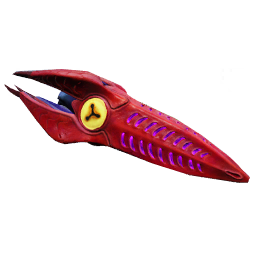
Garbueso (tentativamente *Teuthis courser*). Es un calamar que encandila a su presa para emboscarla junto a un rompemédula. 1. Plan corporal de calamar Comparte un bauplan (plan corporal) básico con el calamar de la Tierra: una cabeza picuda, ocho brazos, un cuerpo largo y blando, y un par de aletas. La estructura desarrollada de la aleta sugiere una historia evolutiva distinta a la del calamar sin hueso de la Tierra. Dos espiráculos pasan agua hacia una branquia interna. 2. Camuflaje A los ocho brazos del garbueso se le unen cuatro membranas que exhibe ante sus presas. Millones de cromatóforos (píxeles biológicos) crean patrones de camuflaje de movimiento para ocultar el acercamiento del garbueso. 3. Colaboración con rompemédula Los garbuesos son presas ideales para los rompemédulas, pero estas dos especies cazan juntas. El garbueso saca a las presas de sus escondites, luego las distrae y realiza un despliegue que las marca para que el rompemédula las vea pese a su terrible visión. El garbueso se queda con las sobras; mientras más grande sea la presa, mayor será el beneficio del garbueso. 4. Pico poderoso El pico del garbueso, que se asemeja al de un loro, puede desgarrar tejidos muy duros. Esto resulta muy importante ya que todo lo que el garbueso traga pasa por el centro de su cerebro. 5. Estructura social especulativa Los garbuesos deben detectar buenas presas para sus rompemédulas si no quieren convertirse en la comida; los rompemédulas deben ceder más de sus presas para atraer garbuesos buenos. Estos fuerzan al rompemédula a cazar presas cada vez más grandes. La negociación de este contrato entre garbuesos y rompemédulas es un recordatorio del mantra de la Iniciativa Alterra que dice que todos tenemos la necesidad de ser necesitados. Evaluación: los despliegues del garbueso podrían indicar el ataque inminente de un rompemédula. Posiblemente sea inteligente, quizá se lo pueda entrenar.

Geordie
Móviles

Geordie

fauna · 148 Puntos mapa

Geordie (tentativamente *Salpapod geordie*). Un omnívoro a propulsión que evolucionó a partir de un organismo que se asemeja a un pulpo huesudo. 1. Mandíbula dura Las resistentes piezas bucales del geordie pueden limpiar algas de las rocas, aplastar pequeños crustáceos, sacar tapones del coral y cortar fajos de algas. 2. Cuatro aletas Estas aletas, que quizá sean una evolución de piernas huesudas, guían al geordie y albergan sus cuatro bolsas estomacales. 3. Estómagos diverticulares Cada aleta alberga una bolsa digestiva con bacterias especializadas en ciertas áreas de la diversa dieta del geordie. El movimiento al nadar ayuda a revolver y digerir la comida. 4. Propulsor central El canal central está lleno de células punzantes que matan a pequeñas criaturas del mar. No introduzcas los dedos. Los pulsos musculares impulsan al geordie mediante una acción propulsora. 5. Trenza dorsal en forma de dona La trenza nerviosa del geordie se envuelve alrededor del canal propulsor como una dona. Las estructuras cerebrales toroidales podrían tener interesantes consecuencias con la corriente en organismos más grandes. Evaluación: comestible, aunque está lleno de metales y ceras. Se recomienda cocinar a conciencia en el fabricador.

Geordie eléctrico
Móviles

Geordie eléctrico

fauna · 37 Puntos mapa

Geordie eléctrico (tentativamente *Salpapod geordiwangi*). Un pariente o mutación del geordie común. Lo atraen las corrientes eléctricas. 1. Electrotropismo Los geordies eléctricos buscan corrientes eléctricas. Pueden tolerar amperajes sorprendentemente altos, lo que hace que sea peligroso quitarlos a mano o con herramientas. Los cortocircuitos pueden poner en peligro tanto al geordie como al sistema eléctrico. 2. Estómagos llenos de gelatina Las cuatro bolsas diverticulares del geordie eléctrico se inundan de un hidrogel similar a la mucosidad receptiva en las ampollas de Lorenzi, un órgano que sirve para detectar campos eléctricos. Estas bolsas podrían detectar los campos eléctricos de presas ocultas o buscar fibras bacterianas conductivas en el lodo del lecho marino. Las corrientes eléctricas artificiales podrían presentar un superestímulo, como una tentación irresistible. 3. Metabolismo eléctrico Es poco probable, pero no imposible, que el geordie haya evolucionado para metabolizar la corriente eléctrica. Todos los metabolismos orgánicos son, en definitiva, un proceso de transporte de electrones, y la electrotrofía directa se ha observado en mundos tormentosos y en vida en el vacío. Evaluación: una plaga para los sistemas eléctricos y de comunicación. Es posible que se necesiten carnadas para controlar la infestación.

Móviles

gigante Tube Salp

fauna

gigante Tube Salp is fauna catalogued from the current creature data. No hay bloque de estadísticas de combate asociado a esta entrada, por lo que el perfil del wiki se centra en los datos estructurados de hábitat y aparición disponibles.

Gregario macho
Móviles

Gregario macho

fauna

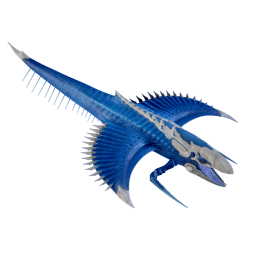
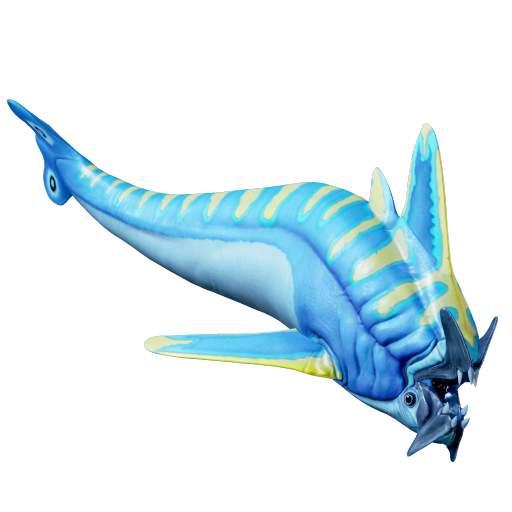
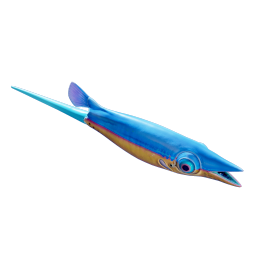
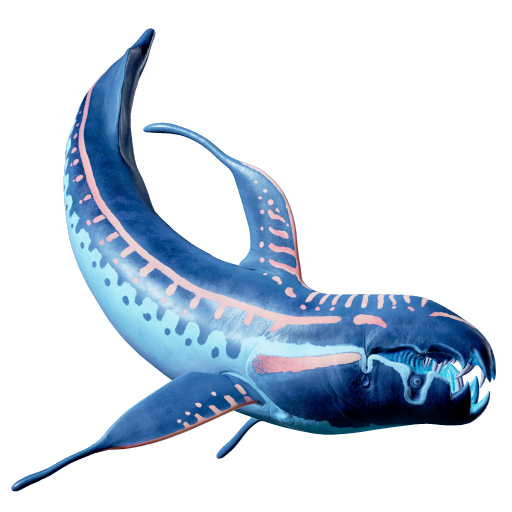
*Skythopterygion atropos*, el implacable animal con aletas de guadaña. Es la versión masculina de la especie de leviatán depredadora, sexualmente dimórfica que habita en aguas abiertas y ataca en grupo (es decir, una especie gregaria).

Móviles

Gusano piloso

fauna

Gusano piloso ("Gusano de respiradero"). Habita en aguas calientes y ricas en minerales, donde sus plumas recogen sulfuro de hidrógeno y otros minerales del entorno. Puede sobrevivir a temperaturas cercanas a la ebullición.

Hicéano
Móviles

Hicéano

fauna

*Hycean hycean*, un notable depredador volador llamado así en virtud de los planetas que mezclan una atmósfera de hidrógeno y un mar de agua.

Incubador aletabisal
Móviles

Incubador aletabisal

fauna

*Titanotagmatapterya amalthea*, el ser titánico alado, segmentado y sin límites. Un artrópodo leviatán gigante con una boca enorme e implacable, y un montón de depósitos de grasa que usa para alimentar y proteger a sus huevos.

Jetocaris
Móviles

Jetocaris

fauna · 15 Puntos mapa

Jetocaris (tentativamente *Tripod phrontiscaris*). Es un crustáceo social de tres piernas que demuestra conductas de crianza. 1. Plan corporal trípode Debido a la evolución temprana de la simetría bilateral, no existen organismos de tres piernas en la Tierra. Las piernas del jetocaris podrían haberse formado a partir de la fusión de seis piernas originales, tres en cada lado. Las pequeñas extremidades anteriores permanecieron independientes. 2. Propulsores en las piernas Un propulsor con válvula en cada pierna, la evolución de las branquias montadas, permite que el jetocaris nade y flote. Fusionar las piernas para duplicar el tamaño de cada propulsor branquial mejora la eficacia en las simulaciones. 3. Alimentación mediante lenguas El jetocaris despliega dos rádulas largas y flexibles (quizá una evolución de los maxilípedos) para buscar sustento. Las extremidades anteriores limpian y acicalan las rádulas. Estos apéndices son sensibles pero capaces de regenerarse, lo cual sugiere que el jetocaris puede hacer crecer otra vez sus nervios y que a algo en el lecho marino le gusta morderlos. 4. Conductas de crianza El jetocaris lleva y protege a las crías de su propia especie, y su expresivo lenguaje corporal sugiere una vida social densa. El análisis espectrogenético indica que algunas crías son adoptadas, es decir que no son parte de la descendencia genética del cuidador. La adopción se ha observado en varias especies, aunque desde un punto de vista adaptativo y racional es un error. Podría indicar una conducta instintiva. O quizá el jetocaris solía vivir en grupos eusociales, con una sola reina reproductora produciendo crías que eran cuidadas por los obreros. Evaluación: mayormente inofensivo. Podría brindar beneficios emocionales.

langosta
Móviles

langosta

fauna · 137 Puntos mapa

La langosta es fauna pasiva catalogada en Ruinas de Axum, Jardines de Coral, Cementerio y 1 más. Los registros actuales enumeran 137 puntos de generación confirmados en 4 biomas, dentro de la zona principal, con el grupo centrado cerca de -2908/4516/-147. No se adjuntan estadísticas de combate a esta entrada pasiva, por lo que el perfil wiki se centra en la ubicación del hábitat, las observaciones de generación y la clasificación de amenazas.

Leviatán gregario
Móviles

Leviatán gregario

fauna

"La mayor parte de la biósfera está vacía. Un desierto de agua de cinco mil metros de profundidad. La vida en la superficie transcurre bajo la luz del sol y luego se acaba. sus restos se hunden hasta el fondo para alimentar extrañas formas de vida.

Leviatán recolector
Móviles

Leviatán recolector

fauna · 27 Puntos mapa

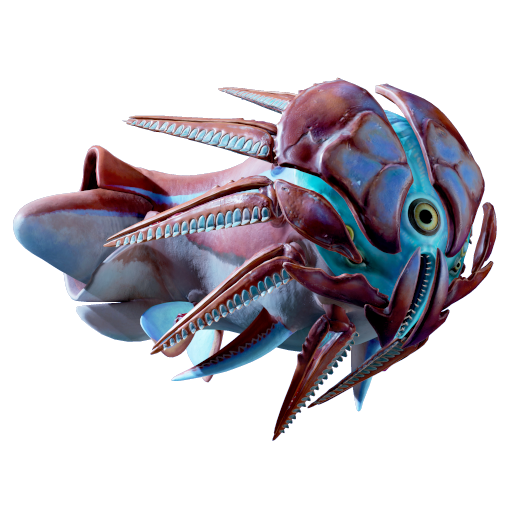
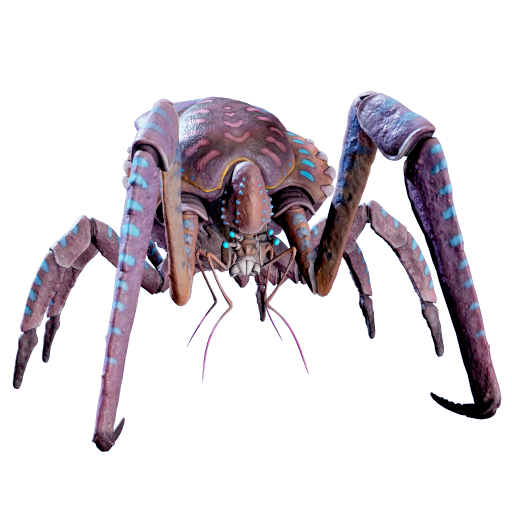
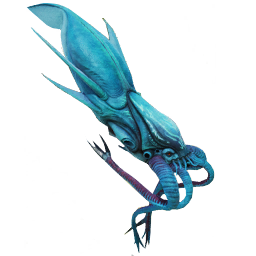
Depredador cefalópodo enorme (tentativamente *Tyrannoteuthis phobocoeus*, calamar tirano de curiosidad temerosa). Se alimenta de presas de caparazón duro, con defensas fuertes. Solitario pero sumamente inteligente. Posiblemente sea una criatura de las profundidades. 1. Plan corporal de calamar El cuerpo del recolector converge con el calamar de la Tierra, posee un manto grande y varias extremidades unidas directamente a la cabeza. El manto está cubierto de un blindaje plástico. A diferencia del calamar de la Tierra, el recolector posee cuatro tentáculos largos con garras que usa para cazar. Sus ocho brazos son pequeños y se agrupan alrededor de la boca. 2. Propulsor potente Dos espiráculos grandes alimentan un propulsor trasero. Estos espiráculos están separados de las cuatro branquias que se abren en la cabeza, lo que permite al recolector separar su frecuencia respiratoria de su velocidad de propulsión. Dos corazones secundarios bombean sangre desde las branquias al corazón central. 3. Presa resistente Una boca enorme (capaz de rasgar placas de titanio) y cuatro hábiles tentáculos con afiladas garras de biovidrio dan a entender que el recolector se especializa en separar o rasgar presas fuertemente blindadas. El cangrejo de coral y la mandibunte posiblemente se hallen entre sus presas. La necesidad de derrotar presas blindadas y activas puede haber hecho que desarrollara una psicología agresiva y curiosa. 4. Órgano transmisor Este órgano enorme de muchas recámaras es un sonar de antenas en fase biológico. Varios "parlantes" y "orejas" permiten que el recolector transmita pulsos complejos de varias partes. Una inervación densa conecta este órgano con el cerebro toroidal; patrones de bioluminiscencia podrían dirigir reflejos de la actividad cerebral del recolector. 5. Pupila en forma de W Frente a una luz brillante, la pupila adquiere forma de W. Este rasgo estaba presente en los cefalópodos de la Tierra, pero no se pudo determinar su función previo al Colapso del Holoceno. 6. Gigantismo abisal Los organismos de las profundidades marinas suelen ser muy grandes. A este fenómeno se le conoce como "gigantismo abisal". Evaluación: es probable que los cazadores con dietas variadas y difíciles sean inteligentes e inquisitivos; la curiosidad de un depredador podría parecer una tortura arbitraria para la presa. Es posible que los sumergibles o hábitats pequeños llamen la atención del recolector.

Luniente
Móviles

Luniente

fauna · 15 Puntos mapa

Waxmoon es fauna depredadora catalogada en Ruinas de Axum, Colonist Bunker, Coral Gardens y 1 más. Los registros actuales enumeran 15 puntos de generación confirmados en 4 biomas, dentro de la zona principal, con el grupo centrado cerca de -2341/4282/-143. No se adjunta ningún bloque de estadísticas de combate a esta entrada, por lo que el perfil wiki se centra en el hábitat estructurado y los datos de generación disponibles. Los datos de movimiento contienen 6 filas de comportamiento.

Mandibunte
Móviles

Mandibunte

fauna

Mandibunte (tentativamente *Megamya sudacna*, gran almeja que muerde). Una almeja omnívora enorme con una estrategia defensiva y de alimentación peligrosa.

Mango colmilludo
Móviles

Mango colmilludo

fauna · 11 Puntos mapa

*Mango kestros*, el tiburón lanzadardos. Depredador territorial capaz de lanzar colmillos con punta de uranio a una velocidad de hasta veinte metros por segundo.

Mango mordedor
Móviles

Mango mordedor

fauna

Mango mordedor (tentativamente *Mango tructa*). Un omnívoro molesto que se ha adaptado a alimentarse mediante raspaduras. Se contenta con morder peces, esponjas, algas y extremidades humanas.

Medialuna
Móviles

Medialuna

fauna · 9349 Puntos mapa

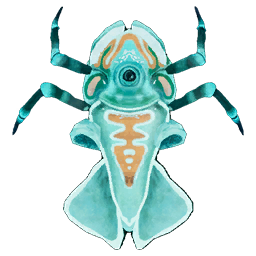
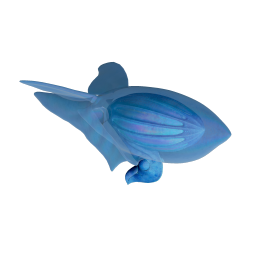
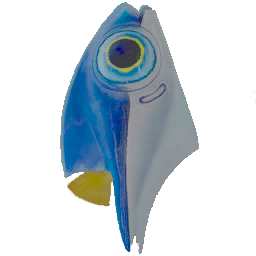
Medialuna (tentativamente *Moliform luna*). Gran pez de forraje que cuela el plancton del agua marina y mordisquea matorrales pequeños. 1. Pez presa Alimento básico para depredadores que ha desarrollado varios comportamientos para huir y esconderse. Es comestible, pero se recomienda cocinarlo con el fabricador. 2. Tuberías independientes Un pico rígido protege dos válvulas que atraen agua marina para alimentarse. Los espiráculos que tiene detrás de los ojos llevan el agua hacia branquias internas para respirar. 3. Hecho para la agilidad Su cuerpo está repleto de neuromastos que ayudan a detectar el flujo del agua. Las aletas anteriores poseen fenestras (agujeros) que los ayudan a revertir la dirección rápidamente. Pueden haber evolucionado para maniobrar en espacios reducidos o en densos bancos de medialunas. 4. Sistema nervioso peculiar Carece de la cancelación de referencia, es decir que no puede distinguir los estímulos provocados por sus propios movimientos de los cambios en el mundo a su alrededor. Le fascinan las luces brillantes, e incluso podría generarlas él mismo. A veces se comporta como si estuviese desorientado y nada de lado sin beneficio aparente. Evaluación: fuente de alimento tolerable.

Medusa anillo
Móviles

Medusa anillo

fauna · 20 Puntos mapa

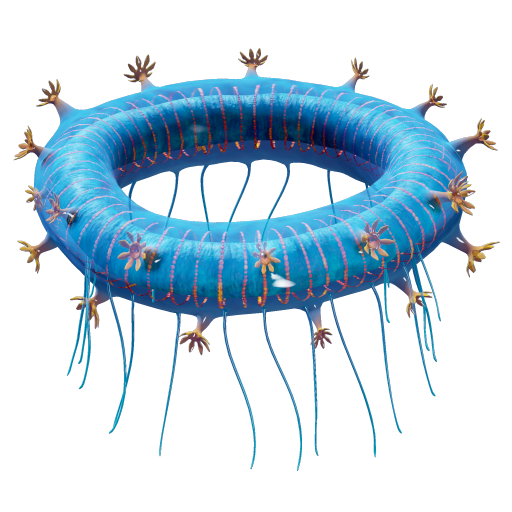
Medusa anillo (tentativamente *Thermodont sufganiyah*, dona gelatinosa que se alimenta del calor). No es una medusa, pero está llena de gelatina. Se alimenta del flujo químico y térmico de los respiraderos hidrotérmicos.

Medusa eléctrica
Móviles

Medusa eléctrica

fauna · 138 Puntos mapa

Medusa eléctrica (tentativamente *Staurobrachia capacitor*). Una medusa grande y compleja que caza mediante descargas eléctricas. 1. Animal único A diferencia de los organismos coloniales, como la carabela portuguesa, la medusa eléctrica es un animal único con tejidos especializados, mucho más especializados y complejos que los de las medusas de la Tierra. Nombre de clase propuesto: staurobrachia (brazos mástil). 2. Estructura interna compleja Posee una campana exterior rodeada por órganos sensoriales llamados ropalias. Una red nerviosa coordina los movimientos de la campana para nadar y buscar presas. La estructura interna visible es el intestino. 3. Estructura de alimentación La medusa conserva su tallo, un vestigio de su desarrollo entre un grupo de clones. El tallo atrae nutrientes para el intestino. 4. Aletas eléctricas Dos aletas rígidas contienen electrolitos similares a alambres, que posiblemente se desarrollaran a partir de tentáculos. Estos órganos generan voltaje para aturdir o matar a sus presas. Las mediciones de energía van desde los 400 a los 1000 voltios en 1 amperio, suficiente para matar a un ser humano. 5. Pasajeros peculiares Rastros de radioactividad, ceras de temperaturas elevadas y ácido sulfúrico indican contacto con un respiradero hidrotérmico. La composición de los tejidos de la medusa sugiere que su origen está en las profundidades oceánicas. 6. ¿Relaciones domésticas? Las medusas que se hallan a poca distancia se comunican mediante sus campos eléctricos. Pensar que las medusas poseen nombres individuales o un lenguaje gramatical es pura especulación, pero algunos patrones podrían ser entrenados o aprendidos, incluso transmitidos a lo largo de generaciones de medusas. Evaluación: supone un peligro menor en contacto cercano, pero es un prospecto investigativo fascinante desde lejos.

Parásito en floración
Móviles

Parásito en floración

fauna

Un cefalópodo con pico y sin brazos (similar al calamar) que se alimenta de sangre y fluidos corporales. Está gravemente infectado con el virus ARN (nombre generado: proteavirus beta) que modifica su comportamiento.

Perforarenas juvenil
Móviles

Perforarenas juvenil

fauna · 20 Puntos mapa

Sandspear Juvenile es una gran fauna depredadora catalogada en las Ruinas de Axum, Coral Gardens, Overgrown Ruins y 1 más. Los registros actuales enumeran 20 puntos de generación confirmados en 4 biomas, dentro de la zona principal, con el grupo centrado cerca de -2899/4209/-102. El ajuste de criaturas registrado enumera 1000 HP y 500 velocidad máxima de natación. Los datos de movimiento contienen 6 filas de comportamiento.

Planeaespina
Móviles

Planeaespina

fauna · 229 Puntos mapa

Pez comestible aunque de poco sustento. Es difícil de atrapar debido a su singular propulsión electromagnética.

Pneuma
Móviles

Pneuma

fauna · 59 Puntos mapa

Un pez presa que imita las vejigas de una especie desconocida de algas.

Raya sitar gemela
Móviles

Raya sitar gemela

fauna · 13 Puntos mapa

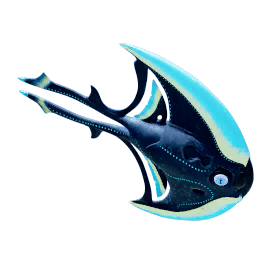
*Sitaroid gemini*, la raya gemela que se asemeja a un sitar. Un depredador eléctrico del mar oscuro que se desplaza hacia la superficie debido a la alteración ecológica.

Robalenguas
Móviles

Robalenguas

fauna · 15 Puntos mapa

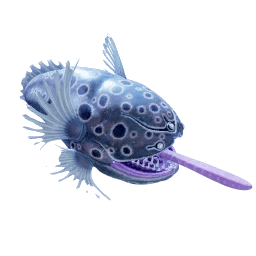
*Postpanoplia epicurean*, el voraz pez acorazado sin coraza. Es impredecible y hambriento, especialmente cuando está bajo la influencia de un parásito.

Rompemédula
Móviles

Rompemédula

fauna · 10 Puntos mapa

Rompemédula (tentativamente *Rompemédula mango*).

Scourge Hive
Móviles

Scourge Hive

fauna

Scourge Hive is fauna catalogued from the current creature data. No hay bloque de estadísticas de combate asociado a esta entrada, por lo que el perfil del wiki se centra en los datos estructurados de hábitat y aparición disponibles.

Móviles

Sensor veps

fauna

Sensor veps is fauna catalogued from the current creature data. No hay bloque de estadísticas de combate asociado a esta entrada, por lo que el perfil del wiki se centra en los datos estructurados de hábitat y aparición disponibles.

Móviles

Snorkleback (Adult)

fauna

Snorkleback (Adult) is fauna catalogued from the current creature data. No hay bloque de estadísticas de combate asociado a esta entrada, por lo que el perfil del wiki se centra en los datos estructurados de hábitat y aparición disponibles.

Tiburón mordisqueador
Móviles

Tiburón mordisqueador

fauna · 13 Puntos mapa

Tiburón Nibbler es una fauna depredadora de gran tamaño catalogada en Colonist Bunker, Coral Gardens, Plateaus y 1 más. Los registros actuales enumeran 13 puntos de generación confirmados en 4 biomas, dentro de la zona principal, con el grupo centrado cerca de -3348/4197/-29. El ajuste de criaturas registrado enumera 100 HP y 500 velocidad máxima de natación. Los datos de movimiento contienen 8 filas de comportamiento.

Acid Raion
Sésiles

Acid Raion

Sessile fauna

*Raion carbonica*. A colony of worms living inside a shared membrane, probably a sponge. Uses weak acid to digest prey. 1. Raion An organism defined as a sponge occupied by a colony of cloned predatory worms. This sponge is chambered, akin to Earth's extinct sphinctozoans; the chambers grow around a central pump. 2. Pressurized acid The raion's worms secrete weak acid as a digestive factor and defense mechanism. This acid is held under pressure by a plug in the raion's central pump. To avoid unwanted acid release, cut away the chambers before disturbing the central pump. 3. Volcanic origin? The acid raion may have originally evolved near a cold seep or a volcanic caldera. Acid-friendly biochemistry gave it a useful defense mechanism and feeding strategy to colonize other waters. 4. Medical gel The raion's central pump is partially plugged by a mass of worm residue; this keeps the pressure in the chambers high. This residue contains useful clotting factors and broad-spectrum antibiotics. Recommend collection. 5. Problematic genetics Spectrogenetic analysis indicates the host sponge and the resident worms contain partial copies of each others' genomes. This is a biological impossibility on Earth, and suggests that genetic inheritance functions differently on this world. Assessment: useful source of weak acid for batteries. Central plug contains medically relevant gel. Cut away chambers before removing central plug. Consult with your Noetic Advisor system to research optimum search areas.

Aeroshell Sponge
Sésiles

Aeroshell Sponge

Sessile fauna

A glowing sponge (tentatively *Symphon aeroshell*) that resembles the cone of a heat shield on atmospheric entry. 1. Predation strategy The aeroshell feeds on microorganisms attracted to light, especially in dark caves where it can be mistaken for the sun. 2. Light source Instead of relying on symbiotic bacteria, the aeroshell generates its own light through oxygen-fueled reactions. This light is piped throughout its tissue by glassy fibers resembling those grown by Earth's glassy sponges - among the longest living animals known. 3. Symbiotic partner Often found associated with shootroots (hard-surfaced starfish-like organisms that burrow into the seafloor). The exact dynamics of the symbiosis are unknown. Await further updates. Assessment: useful light source in dark water. May provide interesting bio-optics reference.

Barrena titánica
Sésiles

Barrena titánica

Sessile fauna

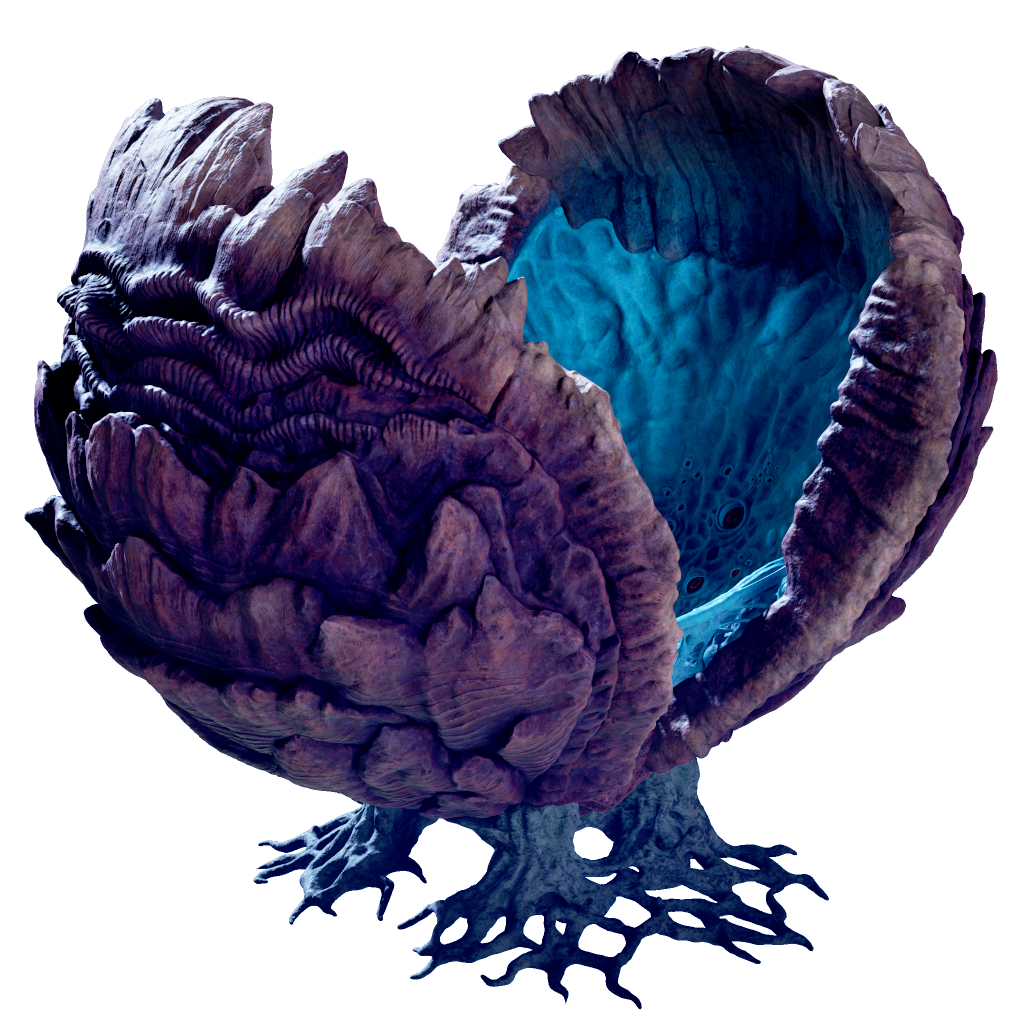
La barrena titánica (Lithodont titanicae) comparte algunos rasgos biológicos con el gran organismo que hay en el horizonte. Como el tamaño del organismo implica la necesidad de obtener cantidades enormes de nutrientes, la barrena titánica podría ser una raíz o tubería que conecta con la torre central.

Broterraíz col
Sésiles

Broterraíz col

Sessile fauna

*Shootroot cabbage*. A robust bottom-dwelling organism anatomically similar to a plastic starfish, or to an opened variety of Earth's extinct blastoids. 1. Animal anatomy The cabbage shootroot's upwards-facing mouth is surrounded by outstretched arms. These arms are hard, tightly grouped, partly calcified, and covered in a tough biopolymer characteristic of other shootroots (tentative name: polyproteovinyl). These arms produce the cabbage-leaf texture that gives the shootroot its name. 2. Seabed burrowing A second set of arms uses ribbons of the same tough biopolymer to dig into the seabed, stirring up sediment and expanding cracks in rock. This is a difficult and metabolically expensive process, but it is a niche with little competition. 3. Symbiote kiss The cabbage shootroot does not use its mouth to eat, or its hard leaflike arms to feed. These surfaces seem to be reserved for a symbiotic partner. The cabbage shootroot uses its mouth to transfer nutrients gathered by its roots to the symbiote, and to receive a trickle of food or chemistry in exchange. 4. Circular nerve cord Like all shootroots, the cabbage shootroot is notable for its expression of a circular nerve cord. Assessment: do not sit. You may receive nutrients.

Broterraíz cuna
Sésiles

Broterraíz cuna

Sessile fauna

A basket-shaped organism (tentatively *shootroot cunabulum*) with no clear Earthly analog. Anatomically similar to a plastic starfish, or to an opened variety of Earth's extinct blastoids. 1. Animal anatomy The flattened, fibrous 'leaves' are the arms of an animal loaded with photosynthetic symbiotes. The central structure houses a digestive system and a hard, sticky cradle (the cunabulum). A second ring of arms grows into the seabed, seeking crevices in the rock. 2. Preferred symbiote The cradle is an exchange site with a symbiotic partner (such as the lucifer rotsac). Spectrogenetic analysis suggests the cradle shootroot is younger than the rotsac. It may have originally parasitized free-floating lucifer rotsacs, before evolving a niche as an anchor: providing a refuge and minerals to the rotsac in exchange for a share of the rotsac's fermented food. 3. Plastic fibers Although it lacks the true cell walls of Earth plants, the cradle shootroot strengthens its tissues with bioplastic fibers. Too tough to cut by hand, they could be severed by a cutting tool. Assessment: tough fibers could be used to synthesize fabric, possibly food.

Cherimoya Rotsac
Sésiles

Cherimoya Rotsac

Sessile fauna

*Rotsac cherimoya*. A tunicate-like animal which collects alcohol from decaying matter to produce a creamy, flavorful mucus. 1. Cherimoya Named for its resemblance to the terrestrial cherimoya fruit (or custard apple). It can be eaten whole or sucked on through a straw; the exterior tunic is soft but the heart, nervous system, and other organs should be spat out. The rotsac contains mercury sulfide, which will eventually accumulate to dangerous levels in the human body. 2. Peculiar metabolism As a rough inverse of the lucifer rotsac, the cherimoya rotsac converts alcohols to sugars rather than decomposing sugars to alcohols. The cherimoya achieves this with a chemical pathway that does not occur on Earth. Aqueous cinnabar provides a source of mercury to oxidize alcohols into simple sugars. The cherimoya has no other behaviors: it simply stores sugars as it grows into a taut, full adult. 3. Symbiotic partner Because of its plentiful stored sugars, the cherimoya is a common symbiotic partner for organisms like the cage gorgon. 4. Enteric reproduction The cherimoya rotsac is gonochoric - either male or female. However, it does not release eggs or sperm into the seawater. Instead, its reproductive cells are eaten by organisms feeding on the cherimoya. They seek out other cherimoya rotsacs' gametes in the digestive tract of the host. The fertilized embryos are then expelled by the host organism, providing them with nutritious waste to bootstrap their growth. Assessment: edible. Your digestive tract may briefly become pregnant.

Coral en rama
Sésiles

Coral en rama

Sessile fauna

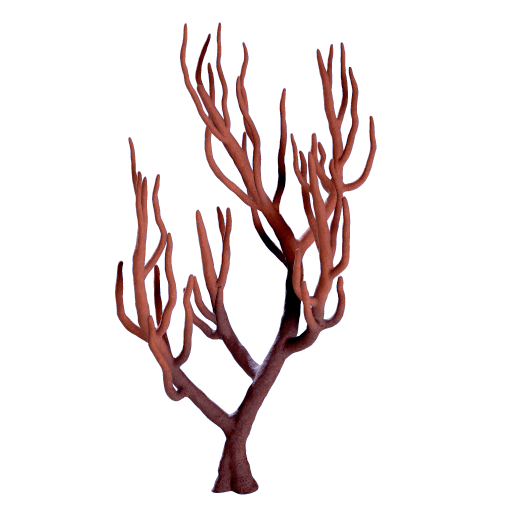
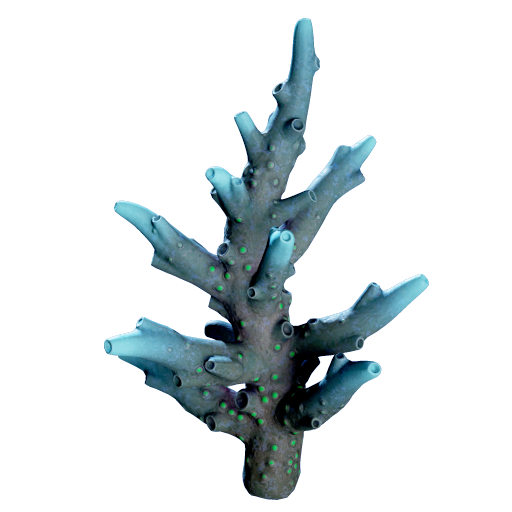
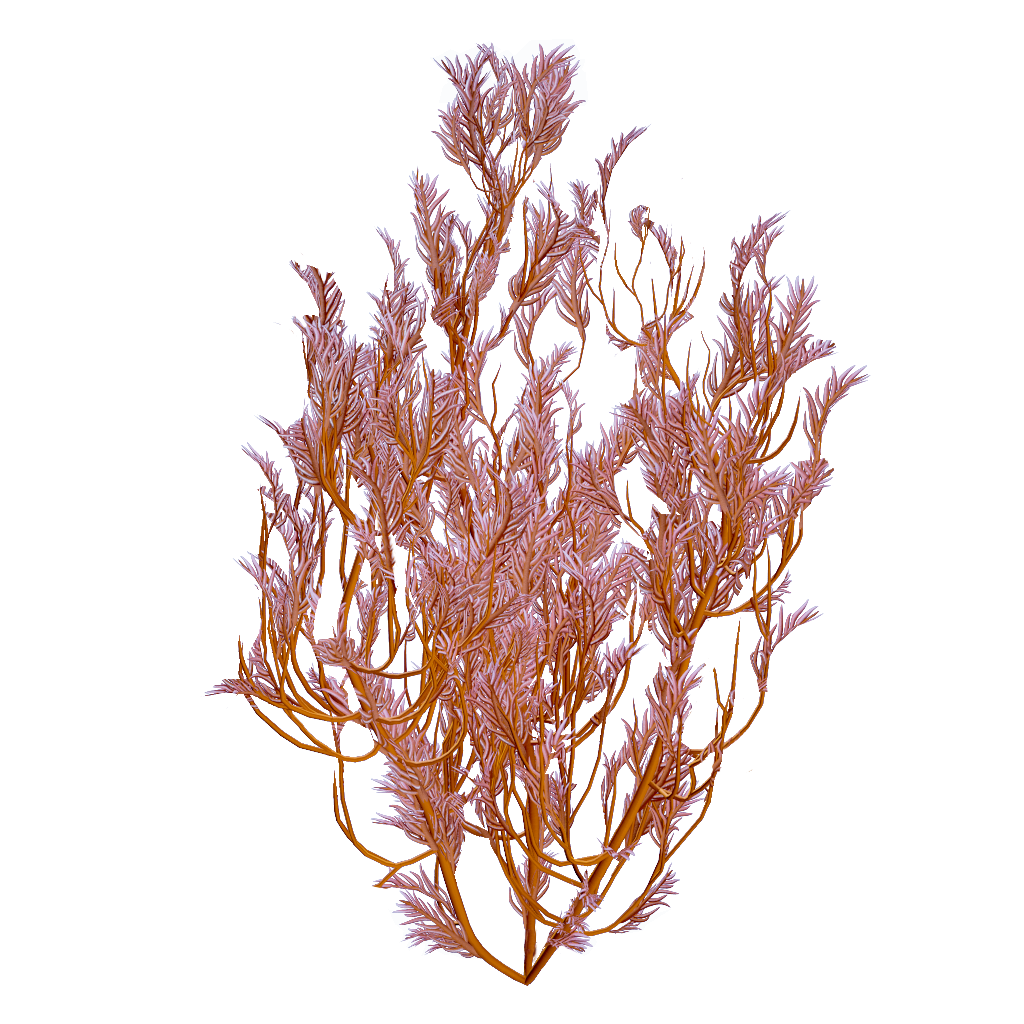
Grabación de Nahema. Este es un coral típico de Proteo, pero no es un coral típico de la Tierra. Sí, su morfología general es la de un árbol ramificado, como la extinta Acropora... pero si lo miras por dentro, se vuelve extraño. En la Tierra, los corales son pequeñas medusas que construyen casas de piedra. En Proteo... actúan más bien como si se hubieran mudado a un edificio de apartamentos. Una esponja. Los pólipos de coral vivían en los poros de la esponja... y pagaban el alquiler limpiándola y protegiéndola. Con el tiempo, algunas esponjas se volvieron duras y rocosas, como las esclerosponjas de la Tierra. Si estoy en lo cierto, deberíamos encontrar otros pares de corales y esponjas que hayan establecido acuerdos diferentes. Cada acuerdo se adapta a un nicho ecológico concreto. La verdadera pregunta es... ¿qué está pasando con estos genes?

Coral radiador
Sésiles

Coral radiador

Sessile fauna

Un coral duro que suele crecer en respiraderos hidrotérmicos. Hace uso del gradiente térmico entre su base enraizada y su borde de agua fría para generar reacciones metabólicas.

Cúpula de coral
Sésiles

Cúpula de coral

Sessile fauna

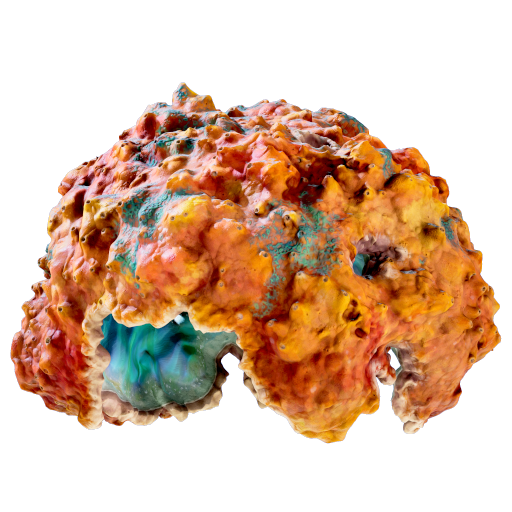
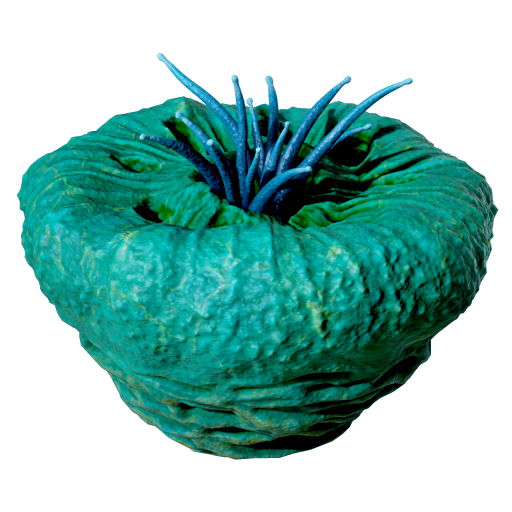
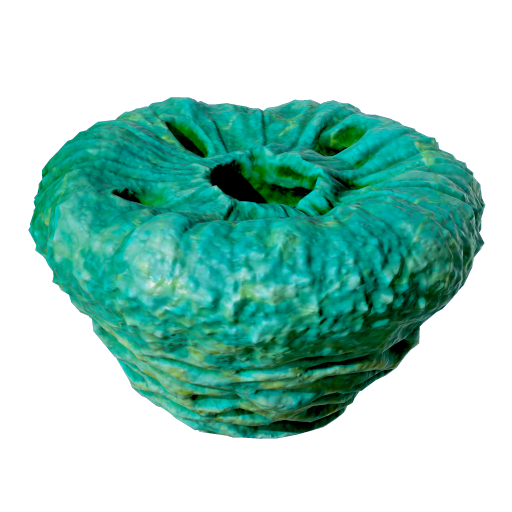
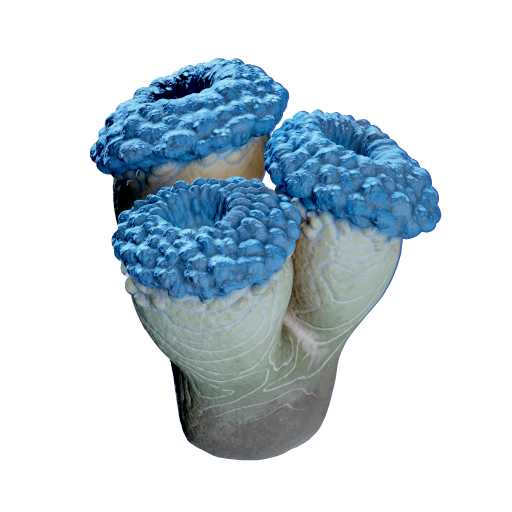
*Coral geodesica*. The defining feature of its shallow biome. 1. Coral analog Like Earthly coral, the dome is a colony of polyps, small jellyfish-like animals that secrete a limestone skeleton. This process uses dissolved carbon dioxide from the seawater: corals are therefore an important method of climate regulation, since they transform atmospheric carbon into hard limestone. 2. Dual feeding strategy The dome's outer surface feeds on sunlight, using photosynthetic symbiotes known as zooxanthellae. As the dome grows, the colony clears its interior, recycling the limestone for reuse. Polyps on the inside of the dome hunt with stinging tentacles. 3. Mineral expulsion As the dome grows, it collects and expels mineral waste, creating nodes of quartz. 4. Critical ecosystem element The dome corals help regulate global climate and provide a breakwater, reducing erosion in their shallow surroundings. The domes capture nutritious sediments from sea currents. Pioneers should prioritize a survey of coral health. Assessment: critical source of quartz. Vital to the local ecosystem.

Dona de gusanos
Sésiles

Dona de gusanos

Sessile fauna

An organism (tentatively *Raion donut*) that resembles an Earthly anemone or ceriantherian, but is actually a sponge occupied by a colony of predatory worms. 1. Raion An organism defined as a sponge occupied by a colony of cloned predatory worms. 2. Hunting strategy The worms live in the sponge's jelly (called the mesohyl), protruding from its anus (the osculum) to sting passing prey with sticky cells and draw them into the sponge. 3. Puzzling genetics Spectrogenetic analysis indicates the host sponge and the resident worms contain partial copies of each others' genomes. This is a biological impossibility on Earth, and suggests that genetic inheritance functions differently on this world. Assessment: minor sting hazard — do not insert fingers. Important scientific discovery.

Donut, No Worms
Sésiles

Donut, No Worms

Sessile fauna

Donut of worms (tentatively *Raion donut*) without visible worms. 1. Normal state Just as terrestrial corals contain photosynthetic partners called zooxanthella, the donut contains a population of predatory worms. 2. Disturbed state Just as terrestrial corals sometimes expel their partners when under stress, this donut raion has discharged or killed its population of worms. (Alternatively, they have left in search of a better host.) This may be a reproductive strategy, a defensive reaction to the worms turning on and feeding upon the sponge, or a response to environmental stress. Assessment: unclear how long the donut can survive without its primary food supply. Terrestrial corals survive only days to weeks after bleaching.

Dragon's scale coral
Sésiles preliminary

Dragon's scale coral

Sessile fauna
Esponja ánfora
Sésiles

Esponja ánfora

Sessile fauna

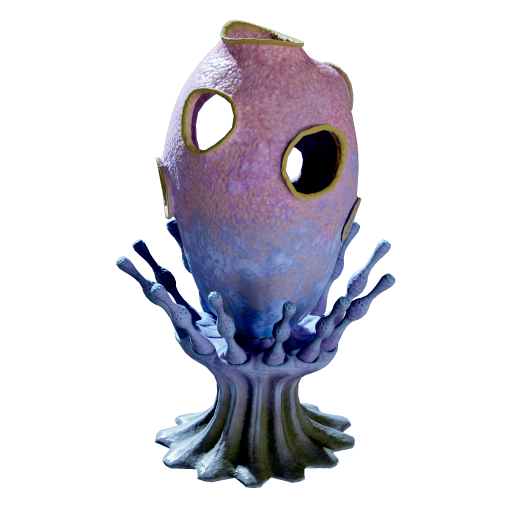
*Symphon amphora*. A sponge adapted to colonize — and create — air pockets. 1. Amphora-shaped structure Like all sponges, the amphora requires constant flow through its pores to survive, but it pumps air rather than water. Contraction and expansion forces moist air through the sponge's pores. Absorbent surfaces harvest water and carbon dioxide from the air. Waxy coating helps prevent water loss. 2. Radiolytic metabolism The soft blue glow of the sponge is bioluminescence fueled by radioactive minerals in the sponge's vanes (the structures growing from the anchoring rhizoid). This radiation splits water into hydrogen and oxygen. The gases gather in the cave ceilings the amphora prefers to colonize, creating pockets of knallgass (unmixed hydrogen and oxygen). Though breathable, this air is highly flammable and an explosion risk. The sponge's symbiotic bacteria feed on the hydrogen and oxygen, producing energy and water. The sponge uses this energy to fix carbon from the air and grow, as an Earth plant would. Assessment: a remarkable step. The amphora sponge may evolve an entire lineage of dry-land sponges, colonizing niches filled by plants and fungi on Earth. Indicates the presence of an air pocket. Swim up to breathe. Do not ignite flares or discharge electrical devices in the pocket.

Esponja apocalipsis
Sésiles

Esponja apocalipsis

Sessile fauna

*Symphon apokalupsis*. An unassuming button-shaped sponge that may be an omen of mass extinction. 1. Simplicity Among the earliest animal forms on Earth, sponges are a group of cells that live between two membranes and work together to pump water. Sponges on this world are similarly elegant. 2. Tolerance Due to this simplicity, sponges tolerate low oxygen and high temperatures better than many other organisms. They also benefit from elevated death rates, which floods the water with decaying matter. 3. Role in mass extinction Biospheres dominated by sponges may be an indicator of a recent or ongoing mass extinction. After Earth's first major die-off during the Ordovician period, some 85% of species went extinct, leaving a world ruled by sponges. The popular existential terror franchise "Life Is Only Pulse" is set in a fictionalized version of this time period. Assessment: possibly a warning sign of planetwide ecological collapse. Possibly not.

Esponja Jack
Sésiles

Esponja Jack

Sessile fauna

Grabación de Nahema. El último gran hombre de la Tierra bromeó diciendo que al Creador debían de gustarle las estrellas y los escarabajos, porque había creado muchos de ellos. Doscientos años después, encontramos mucha vida extraterrestre, pero no muchos escarabajos. Lo siento, Jack. Pero mira, tu Creador sigue teniendo sus favoritos. Dondequiera que actúe, parece que siempre empieza con una esponja.

Esponja tóxica
Sésiles

Esponja tóxica

Sessile fauna

A hateful and malicious sponge. Assessing PDA neural temperature. Reducing output subjectivity. *Symphon achlys*, sponge of dying mist. A dangerous semi-predatory sponge that acts as the central node in a necrobiome. 1. Bacterial arsenal Sponges cultivate bacteria which secrete helpful chemicals. At some point in its history the toxic sponge was infected by a bacterial symbiote which generated a powerful antibiotic (akin to the human Streptomyces). The bacterium used this antibiotic to extinguish competition, then began an internal power struggle to evolve compounds that could destroy rival strains of its own species. The result is a sponge flush with an antibiotic so concentrated it causes skin burns and nerve damage. 2. Touch based hunting strategy When brushed, the sponge contracts sharply, expelling a cloud of antibiotic toxin. Microorganisms are killed, and larger species may enter convulsions and die nearby. The dead matter decomposes, releasing nutrients upon which the sponge feeds. 3. Animal gene fragments The toxic sponge's genetic code contains fragment of an animal genome: likely a crustacean. Assessment: avoid. Keep medical supplies on hand to treat chemical burns and nerve damage.


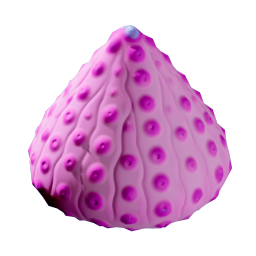
Espraión jarra
Sésiles

Espraión jarra

Sessile fauna

*Spraion flagon*. Databank generation alert: known scientific theory inadequate to explain specimen. Interpretation and improvisation may lead to error. 1. Sponge-worm hybrid Like the raions, this is a sponge occupied by worms. The sponge pumps seawater, while the worms feed on meioafauna in the current. In this 'spraion' the two organisms have become genetically entwined: each can give birth to the other. This defies conventional evolutionary theory, which uses reproductive barriers to define species. 2. Alternating generations Some of the sponge's germ cells undergo a transformation into worm embryos. This transformation involves the activation and expression of stored genetic material from the worm genome. Adult worms leave the sponge, swim to a new anchor site, and die. Their bodies provide food to a newborn flagon sponge. 3. Possible explanations The simplest explanation is that these are two alternating generations of the same organism — like the polyp and medusa stages of the jellyfish life cycle. But spectrogenetic analysis suggest the flagon sponge and its resident worms evolved tens of millions of years apart. Exactly how the reproductive cells of one organism can yield an adult of another species is unknown. Assessment: advise further investigation. May yield insight into genetic adaptations specific to this world. Await further updates.

Gorgonia auditiva
Sésiles

Gorgonia auditiva

Sessile fauna

*Gorgon Kryphakous* or Listening Gorgon. A soft coral with dull olive filaments. A predatory filter feeder that sways with the current like kelp. Not known to be hostile or harmful to humans, but remains under observation (see notes below). 1. Sound sensitive Dissecting the Listening Gorgon's basal filaments reveals a web of vibration-sensitive cilia hidden in its soft, gelatinous core. These can detect movement through water at resolutions not seen except in the airflow sensors of clip-winged gnats on Kepler-22b - enough to pick up the swish of a tail through miles of water. 2. Reactive orientation At first the listening gorgon appeared inert, but its movement is simply too slow to be perceived. It has been observed to orient itself over time to specific low-frequency vibrations. It will do this even if food is less abundant in that direction. 3. Silent. The Gorgon kryphakous has no vibration-producing organs. It emits no detectable signals - no chemical plumes nor bioluminescence. It is essentially silent across all known communication spectra. ASSESSMENT: Requires further analysis. One leading hypothesis suggests that the Listening Gorgon once tracked the low-frequency vibrations of a massive, slow-moving marine species - now possibly extinct, or still undetected in the deeper zones of Proteus’s oceans. If so, the open question is whether this trait evolved in response to an ecological partner... or a threat

Gorgonia cortina
Sésiles

Gorgonia cortina

Sessile fauna

*Gorgon aulaia*. A soft, predatory coral akin to Earth's gorgonians, especially the Venus fan. 1. Sponge-coral moiety Like Earth's brown tube sponges (*Agelas schmidti*), soft corals on this world are a colony of coral polyps growing within a matrix of sponge tissue. In this specimen it is very difficult to distinguish the sponge's jellylike inner tissue (or mesohyl) from the soft coenenchyme which connects the coral polyps. 2. Ribbons of tissue The curtain gorgon forms a long, low-lying fan of tissue which catches prey. The curtain gorgon is an obligate predator and cannot survive on sunlight, but some specimens are colonized by chemotrophic bacteria which may provide the gorgon with extra energy. 3. Plasticized skeleton The gorgon's skeleton is chemically similar to PVC (polyvinyl chloride, an obsolete industrial plastic). Assessment: indicates the presence of plankton and other small sea life.

Gorgonia jaula
Sésiles

Gorgonia jaula

Sessile fauna

*Gorgon thalamiskos*. A predatory soft coral named for its resemblance to Earth's gorgonians. 1. Sponge-coral moiety Like hard corals on this world, gorgons are sponges inhabited by cnidarian polyps — tiny jellyfish like organisms which live within the sponge and direct its growth. Unlike hard corals, they do not produce a limestone structure or host photosynthetic microbes. They are pure predators. 2. Caged friend The cage gorgon specializes in capturing and protecting a symbiotic partner, which attracts prey for the gorgon to sting and eat. The cage gorgon larva probably adheres to a partner (such as a cherimoya rotsac) and then grows around it, eventually fastening the partner to the seafloor. 3. Duplex larva The free-swimming reproductive stage of the cage gorgon carries cells of a host sponge, like seeds. These seeds are genetically distinct from other sponges in the ecosystem, suggesting the cage gorgon is monogamous with only a single host sponge. Assessment: cutting open the cage gorgon allows access to the symbiotic partner and carries no risk of inflicting pain or suffering. The cage may attract a new partner before healing, or survive while empty.

Gorgonia látigo
Sésiles

Gorgonia látigo

Sessile fauna

*Gorgon mastix*, the whip gorgon. A soft coral similar to the earthly gorgonians — it lacks the hard limestone shell of a true reefbuilding coral. 1. Earthly namesake Named for the extinct *Leptogorgia virulata*, Earth's sea whip. Like the sea whip it is a predator, and it must defend its soft body from parasites and predation. 2. Spine defenses Unlike the terrestrial sea whip, which developed a chemical arsenal to repel unwanted contact, the whip gorgon colony has developed specialized 'soldier' polyps which migrate to the surface and develop a brittle spine. When disturbed, this spine snaps off, releasing the soldier's payload of toxins. It is impossible to project the effects of this sting on colonists, but mechanical similarities to the infamous Australian gympie-gympie plant suggest negative outcomes ranging from chronic agony to total sleep deprivation lasting weeks to years. 3. Carnivorous diet 'Civilian' polyps in the whip gorgon use their stings to kill and digest microscopic prey. They lack the brittle spine and powerful toxins of the soldier polyp. ASSESSMENT: Avoid contact. Consider pruning back with hand tools.

Sésiles

Gorgonia mediodía

Sessile fauna

Noon gorgon (tentatively *Gorgonian meridiem).* A predatory soft coral that lures prey by mimicking the sun in the dark. The brightest noon gorgon in a cave will attract the majority of the prey, creating an arms race to be as bright as possible. Noon gorgons feed much of their energy to their symbiotic light-producing lucifer rotsac. The ancestral noon gorgon may have evolved to grow towards or around lucifer rotsacs, using them as bait. Eventually, a symbiotic partnership developed. Expect noon gorgons to modify their spectrum in different depths and biomes.

Gusano nevera
Sésiles

Gusano nevera

Sessile fauna

*Ventworm cryocthonian*, the vent worm that brings cold from below. 1. Vent worm The fridge worm's body plan is familiar from terrestrial analogs — a tubular body with a protruding gill. The body hosts a colony of symbiotic bacteria in a chamber called the trophosome ("feeding body"). These bacteria help the worm survive extreme environments. 2. Cold water emitter The cryocthonian lives in colonies along geothermal gradients—from hot to cold. It exploits the flow of energy and minerals through the rock to feed. Colonies pumps deep, cold brine (usually at 4 degrees C) to the worms exposed to hot water, helping regulate their temperature. 3. Sulfur-based metabolism The symbiotic bacteria in the fridge worm feed on sulfur and other dissolved minerals. The fridge worm uses cold deep-sea brine to trigger chemical reactions which help collect minerals from the hot vent water. Assessment: Produces pockets of cold water. May attract life that cannot tolerate the surrounding heat.

Lucifer Rotsac
Sésiles

Lucifer Rotsac

Sessile fauna

Tentatively *Rotsac lucifer*, the light-bringing rotsac. A tunicate-like animal which ferments decomposing biomatter inside its body. 1. Hidden body The rotsac's larval swimming body transforms into a spherical adult form. Because fermentation does not require oxygen, the rotsac actually stops breathing as it matures. 2. Swollen with hydrocarbons The rotsac contains isoprene, useful for fabricating rubber and lubricant. High diacetyl levels give the rotsac a strong caramel funk. 3. Bioluminescence Glow may attract animals (especially sun-seeking microorganisms) to defecate or die on the rotsac. Bioluminescence seems to play an important role in this world's ecology. Regular experiments with light reactions are advised. 4. Symbiote Often found glued to the cradle shootroot, an unrelated species of starfish-like bottom-dweller that provides the rotsac with an anchor while it grows. Assessment: useful source of organic polymers for rubber and oil. Consult your Noetic Advisor to research optimal search areas.

Macaron Sponge
Sésiles

Macaron Sponge

Sessile fauna

*Symphon macaron*. A sponge that has developed a disc of flagellated feeding cells. Named for the dessert sandwich cookie (not available in current fabricator settings). 1. Hardened plates Instead of a sponge's normal inner and outer layers, the macaron develops two hard plates of pinacoderm. These anchor the feeding disc to a holdfast. 2. Feeding disc The sponge's mesohyl (internal jelly) has specialized into feeding disc, with tentacled cells that pull particles from the surrounding seawater. This leaves the delicate jelly vulnerable to predators and parasites. 3. Hostage exchange The feeding disc hosts the larvae of sponge-eating organisms in its pores. By providing a shelter and habitat for their young, the macaron may buy itself a degree of safety and defense. (These larvae are themselves tempting prey for many species.) 4. Unusual protein expression Many of the cells in the feeding disc express proteins also found in the hosted larvae. This may be a recognition signal to attract the desired species. ASSESSMENT: Inedible despite name. Await further updates.

Medusa lei
Sésiles

Medusa lei

Sessile fauna

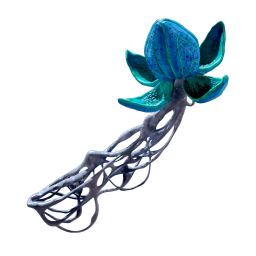
*Anthobrachia hebesoros*, the young stack of flower arms. Reproductive stage of a flower-like jelly. 1. Polyp Despite its resemblance to a kelp, the jelly lei prefers to hang underneath surfaces—where it cannot photosynthesize. It is the rooted polyp phase of a jellyfish's life cycle. The chain of 'flowers' growing beneath the polyp are larval jellyfish, called ephyra. The stalk itself is called a scyphistome. 2. Ephyral traits The budding larvae have broad, flat petals which will eventually merge into the adult jelly's bell. These petals already host photosynthetic symbiotes—it is possible the adult jelly will seek light sources to grow, akin to the terrestrial upside-down jelly. Note the purple color produced by photosynthetic retinal, the same molecule your eyes use to detect light. 3. Heat stress The jelly lei's growth cycle has been accelerated by heat stress. The stalked parent may release its larvae early to allow them to swim clear of hot, oxygen-depleted water. Assessment: sign of ecological crisis.

Sésiles

Méfit cornamentado (Hi hat)

Sessile fauna

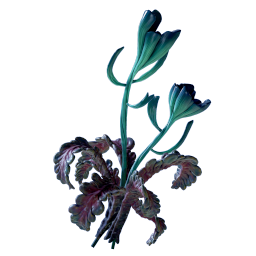
*Mephit ceryneian.* A stack of cloned clams adapted to life in very hot water. The central stalk that connects them appears to be a symbiotic worm worm worm worm worm 1. Clamclone Clam stack clone stack! Jelly lei like. Connect on worm like coins on spindle. Monitoring PDA bad output. 2. Genderstack All clone female. Worm forms antlers: emit male cell. Why worm help clam? No more worm. Worm taken over by clam cancer. 3. Hot hot hot! Clams evolve shut forever. Too hot! Never open...but then starve? A ha, eat with tissue fans, withdraw if nibble burn. Starvation solved. 4. Namepun Stack sounds like stag and stack has antlers and stag has antlers. Stagged. Name for hot water living clam? Mephit. Stagged mephit. Assessment: bad output stop.

Sésiles

Necrolei

Sessile fauna

*Anthobrachia necrolei*. A clonal stalk of large jellies, similar to Earth's stauromedusae. Each jelly remains moored to the stalk, rather than maturing into a free-swimming medusa. 1. Enormous size and hunger Rather than feeding on prey, the necrolei gathers dead matter from the seawater. The size and height of the stalk are directly related to the rate of death and decay up-current. 2. Acid-yielding metabolism The necrolei has adapted to low-oxygen seawater. It ferments much of the matter it collects in a central 'basket' stomach, a process which requires no oxygen and yields strong acids. The necrolei concentrates these acids around its eggs as a defense. Assessment: large numbers of necrolei in this region indicate a bloom, a population explosion caused by a flood of nutrients. This is a poor sign for the health of the ecosystem and perhaps for the state of the global climate. Produces egg clusters that can be processed into strong acid.

Pilono imitador
Sésiles

Pilono imitador

Sessile fauna

Tentatively *Pyloraptor mimic*. A predatory animal disguised as a leafy kelp. Discharges electrical shock when disturbed. 1. Cephalopod-like body Resembles an octopus or squid planted mantle-down in the seabed, with its arms spread to mimic kelp. Pouches of symbiotic bacteria between the arms allow it to photosynthesize. A beak at the center of its arms is plugged with mucus. 2. Electrical hunting The four arms contain electrocytes, organs which build up an electrical charge. When disturbed by prey, the electrocysts discharge, causing paralysis or death. It is unclear if the prey are directly eaten, or if they decompose in a garden around the mimic pylon. (Organisms which feed on external decay are known as saprotrophs.) 3. Implies kelp The pylon's cryptic aggressive mimicry of leafy kelp implies that kelp must exist on this world. Most species in Earths' oceans eat to survive, with primary production (the conversion of sunlight into biomass) carried out by plankton and algae. Leafy kelp were a late evolutionary development. 4. Cave mouth strategy Mimic pylons tend to cluster around sea cave entrances, perhaps to feed on organisms entering or leaving the caves. Alternately (and speculatively) they may have been planted there by another species to control access. Assessment: avoid contact to prevent injury. May mark cave mouths.

Poliesponja guijarro
Sésiles

Poliesponja guijarro

Sessile fauna

*Sporal psephos*. A moiety (two paired species) of a sponge and a coral. Possibly a single chimeric organism. 1. Reefbuilding Reefbuilding on this world seems to be carried out by a range of sponge-coral pairings. In hard corals, the sponge has lost its ability to feed independently and provides a hard shell for the corals. In this organism, the relationship is reversed: the coral polyps grow a hard surface shell, while the sponges continue to pump water. Because the hard shell blocks the sponges' pores, they work in pairs, with one inhaling through its osculum and one exhaling. 2. Dome coral association Frequently found on the surface of the larger dome coral, blocking patches of its surface from receiving sunlight. This may be an opportunistic/parasitic relationship. 3. Confusing genetics Both coral polyps and sponge cells seem to carry the full genome of both organisms, blurring the definition of a species. It is unknown how a single organism can contain genomes for two biologically distinct species; the two cannot reproduce sexually to combine their genes. Assessment: interesting data point.

Raión de cuenco de tripas
Sésiles

Raión de cuenco de tripas

Sessile fauna

*Raion calix*. A puzzling combination of worm colony (the raion) and slime mold. 1. Feeding strategy Feeds on drifting matter, though the worms also sting and kill meiofauna (small sea life between 45 nm and 1 mm in size). 2. Glassy central structure The central structure is a glasy spicule similar to those found in Earth's glass sponges. The worms live in this structure, creating a raion — a sponge inhabited by worms. 3. "Tripe bowl" The ‘tripe bowl’ around the base is a single enormous cell, similar to Earth’s syncytial slime molds. The structure resembles the lining of a cow’s stomach, although this Voronoi pattern is common to self-organizing structures in many exobiologies. Its function is unclear. In terrestrial analogs, syncytial structures can be found in both healthy tissues like muscles and in tissues infected by certain viruses. Optogenetic analysis cannot determine the tripe bowl's genetic ancestry. Assessment: biological enigma. Await further updates.

Salpa colgante
Sésiles

Salpa colgante

Sessile fauna

*Salp pendulous*. A sticky, suspension-feeding predator that captures organisms from the current. 1. Salp-like biology Like Earth's salps, this is a colony of zooids — tiny, cloned animals (in this case tunicates) — that form a long, tube-like pump. The salp draws in water to filter for plankton. 2. Hard holdfast The holdfast that anchors the feeding string is secreted by the same zooids that make up the rest of the organism. Spectrogenetic analysis detects proteins similar to those expressed by reefbuilding sponges and corals. 3. Bloom response Terrestrial salps can reproduce very quickly, allowing them to grow with—and devour—sudden blooms of algae. If the algae bloom is too dense, the salps may clog. Assessment: may be a useful indicator of ecological stress. Await further updates.

Stilt Orb
Sésiles preliminary

Stilt Orb

Sessile fauna
Sésiles

Titan-class Organism

Sessile fauna

The titan-class organism on the eastern horizon pushes the boundaries of planetbound life.

Túnica de oxígeno
Sésiles

Túnica de oxígeno

Sessile fauna

*Tunic aeolian*. A bizarre animal that splits seawater into hydrogen (on which it feeds) and oxygen (which it releases). 1. Tunic Like Earthly tunicates, this is a complex animal with a heart, nerve chord, and a flexible exterior shell (the tunic). 2. Radiolytic metabolism At the heart of the oxygen tunic is a nugget of radioactive metal such as uranium, radium, or thorium. Radiation from this nugget splits water into hydrogen and oxygen through radiolysis. The oxygen tunic retains the hydrogen to feed an internal colony of sulfur-reducing bacteria, and releases the excess oxygen. 3. Blue glow Cherenkov radiation from the core excites radioluminescent pigments in the tunic, producing a distinctive blue glow. This may be a warning to would-be predators that the oxygen tunic releases poisonous quantities of oxygen. 4. Implications for life on this world The oxygen tunic's metabolism suggests that this world has an energetic geology and a biosphere adapted to use radiation as a food source. It also has interesting implications for life without sunlight. On Earth, even deep-sea vents depend on oxygen produced by photosynthesis. No such dependency exists here. Assessment: emergency oxygen source for divers. Beware that repeated use could lead to radon buildup, with serious health risks including cancer.

Túnica hecatón
Sésiles

Túnica hecatón

Sessile fauna

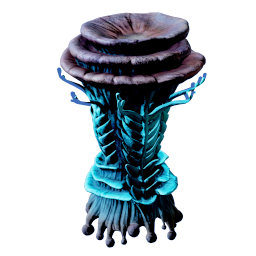
*Hecaton tunic*. Named for the hundred-handed hecatoncheires of Greek myth. A complex of animals undergoing competitive sex differentiation. 1. Anatomy Each pore on the surface of the hecaton is the mouth of a tunic, a complex filter-feeding animal. The colony's branching structure allows each tunicate acces to the water so it can breathe and eat. Each tunic grows a flexible, semi-hard polyvinyl shell which merges with the neighbors' tunics, defending the entire colony. 2. Growth patterns Analysis suggests the colony begins as a single stem of identical tunicates cloned from an embryo. More successful tunicates become large and sexually mature, starting new arms of the colony and developing their own eggs. Less successful tunicates are driven to the ends of the arms, where they shrink and develop a teal bioluminescence. 3. Viral reproduction The less successful tunicates do not release sperm. Instead, they are heavily infected by a strain of large RNA virus in the seawater. The majority of the tunic's genome consists of copies of this virus insert by retroviral action. How the hecaton tunic fertilizes eggs is therefore unclear—it seems to lack sperm cells. Assessment: reproductive enigma. Await further updates.

Aster Scyllid
Algas

Aster Scyllid

Flora

*Megahecaspid aster*. A colony of shell-forming, algae-like organisms analogous to Earth's haptophytes or coralline algae. 1. Megahecaspid A colony of hecaspids — organisms with fatty or starchy interiors surrounded by many shields of calcium carbonate. 2. Bacterial symbiote These hecaspids use internal bacterial reservoirs to feed on sunlight, chemical, or even radiation. (Electrical feeding is theoretically possible but not yet observed.) 3. Nutrient trove The interior of the colony is a reservoir of high-density food storage. An appropriate nickname might be 'sea tuber' (not to be confused with the nickname for deep-sea metallic nodules). Assessment: positive sign for biodiversity. Await further updates.

Hongoalto
Algas

Hongoalto

Flora

*Hyphen tallshroom*. A mysterious, chitinous life form with no clear terrestrial analog. 1. Hyphen Hyphens are colonies of hard-shelled hecaspids: shell-making algae. (Algae on this world descended from a star-like 'solarian' cell, while all animal life descended from an elongated 'polarian' cell.) Hecaspids in the colony align their shells into a column, forming tough armored threads, or hyphae. On Earth hyphae are characteristic of fungi, but it is not clear if an analogous group exists on this world. 2. Tallshroom The tallshroom is a complex organism with differentiated organs, but all its structures are fundamentally threadlike — hyphenated — and constructed of tough biopolymer akin to chitin. Gill-like structures along the flanks collect oxygen and chemistry from the water, fruiting bodies disperse reproductive cells, and the central body forms a sealed 'wellhead'. 3. Armored driller Tallshrooms drill their hyphae into the rock below, cracking open their own hydrothermal vents. The body captures the outflow of this vent, where bacteria convert minerals into energy. If the outflow becomes too hot or rapid, the tallshroom's drumlike top blows open, releasing the catastrophic overflow. 4. Viral history Like the mammalian placenta, the tallshroom's hyphae evolved in an explosion of retroviral inserts. These viral proteins are expressed in the tips of the drill fibers. Hyphae may have originally evolved as viral predators—inserting a symbiotic virus into armored life forms by growing on and cracking through their bodies. 5. Cousins Despite millions of years of evolutionary separation, the tallshroom shares elements of its body plan with the false fission drum *Polymephycite tympanum*, a fellow member of clade Scyllidae. It is unknown whether this represents convergent evolution, mimicry, or a viral gene transfer. Assessment: indicator of new evolutionary pathways unique to this world.

Feather Kelp
Tipo kelp Ficha próximamente

Feather Kelp

Flora
Fern Kelp
Tipo kelp Ficha próximamente

Fern Kelp

Flora
Mosto mosto
Tipo kelp

Mosto mosto

Flora

*Mosto mosto*. Uno de los primeros organismos similares al alga marina que se encontraron en este mundo (denominación provisional: *kaulos*). Al igual que los quelpos, es un alga grande, no una planta. En lugar de fotosíntesis, el mosto mosto genera energía a través de la fermentación.

Tambor de fisión falsa
Protistas

Tambor de fisión falsa

Flora

Tentatively *Polymephycite tympanum*. Not animal, plant, or fungus, but a fourth category of complex life analogous to Earth protists. 1. Central structure The central stipe is a biopolymer akin to chitin or keratin held upright by a beard of air-filled sacs (pneumatocysts). 2. Dual feeding strategy Photosynthesis is the primary nutrient source, but cave-dwelling drums subsist on dissolved nutrients. 3. Reactor glow Adults develop a large bioluminescent swelling called a sprangia. Its blue light precisely mimics the Cherenkov radiation of a nuclear fission reactor immersed in seawater. Assessment: further investigation required. Await further updates.

Cancro en floración
Floración

Cancro en floración

Flora

This chimeric organism (Viroblast gaggraina) is a feeding and reproduction site for a large RNA virus (generated name: Proteavirus beta). It is a colony of funnel-shaped cells similar to Earthly choanoflagellates. 1. Natural origin The canker's cells are infected by the Proteavirus beta strain, which modifies their behavior and gene expression. The cells work together to form a slime mold. 2. Structural slime The slime mold uses glue borrowed from clam anchor proteins to grow a holdfast stalk and numerous sporangia (fruiting bodies) too tough to be cut with hand tools. 3. Viral crystals The canker stores solid crystals of Proteavirus beta virion. When the canker feeds, it releases Proteavirus beta into the seawater, then soaks up killed microorganisms. These crystals are vulnerable to high-frequency sonic resonance. 4. Network effect The canker grows towards other infected organisms, transferring nutrients and electrical current. If the viral bloom ecosystem is a body, these cankers are both mouth and gonad. 5. Protective shell Cankers grow a tough, crablike shell using genes from other Proteavirus beta-infected organisms. Pores in the shell provide excellent sonic insulation, but the canker cannot feed with its shell closed. Assessment: primary feeding site for ecologically dubious viral bloom. Destroy when opened. Destruction may help nearby infected organisms clear the virus.

Savia en floración
Floración

Savia en floración

Flora

A water slug (Seaslug hydroclast) infected by an aggressive bacterial bloom and trapped in its own secretions. 1. Living water slug The slug is suffocating in a mass of sap-like resin secreted by its infected desalination organs. Probable infection vector: bacterial bloom in seawater. 2. Hardened saplike secretion The terpene-rich resin is produced by bacteria infecting the water slug. The process requires oxygen, which the bacteria steal from the slug or any other available source. The resin slowly hardens, but could easily be cleared by cutting and scraping. It serves no obvious adaptive function. 3. Viral anomaly Although the seawater in this region is saturated with a large RNA virus (generated name: Proteavirus), the bacteria infecting this sea slug carry a distinct viral strain (generated name: Proteavirus beta) that may be associated with bacterial blooms. Assessment: evidence of ecological crisis. Slug may be freed with appropriate tools. Consider limiting water intake from infected slugs.

Flor de fresia
Cultivable

Flor de fresia

Flora · 97 Puntos mapa

Freesia Flower es una variante cultivable que figura en los datos del artículo debajo del artículo. Vincula el recurso silvestre con la recolección basada en plantadores y los datos de elaboración relacionados.

Flora mapa

Cg Bulb Flower

Flora · 30 Puntos mapa