Subnautica 2 维基 现场指导
更新
91 条目

生命体

动物群与植物群:行为、栖息地、扫描和地图点。

生命体
91
掠夺者
12
无柄
36
植物群
10
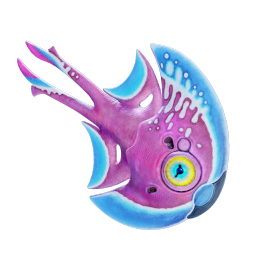
半月鱼
移动的

半月鱼

fauna · 9,349 地图点

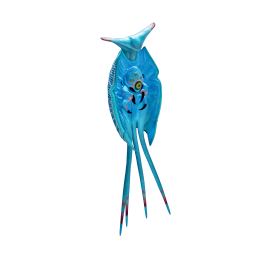
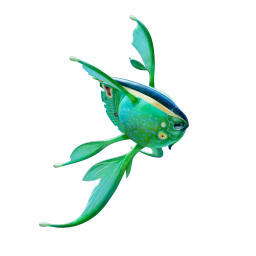
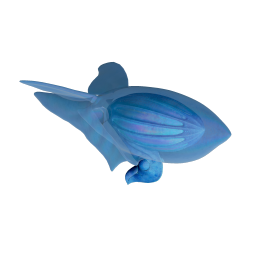
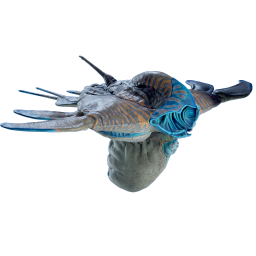
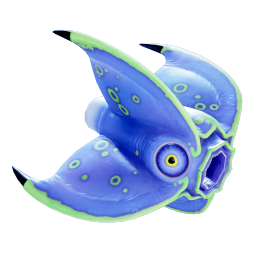
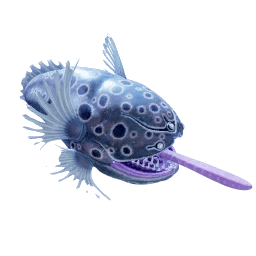
半月鱼(暂定名Moliform luna)。过滤浮游生物和啃食小型赘生物的大型饲料鱼。 1. 猎物鱼 捕食者的主要食粮,演化出了多种逃生和隐蔽行为。可食用,但是推荐使用装配台烹饪。 2. 分离管路 刚硬的喙保护着两个阀门,用它们吸入海水进行摄食。眼睛后方的喷水孔向内鳃供水进行呼吸。 3. 敏捷特化 体内密布侦测水流的神经丘。前鳍开孔有助于快速反转方向。可能是为了在狭窄环境或者密集鱼群里机动演化而成。 4. 不寻常的神经系统 缺乏自传入感觉抵消机制,无法区分是自身运动还是外界环境变化引起的刺激。容易被强光吸引,甚至会以为光亮是自己造成的。有时会出现似乎是迷失方向的行为,毫无目的地横向游动。 评估:可接受的食物来源。

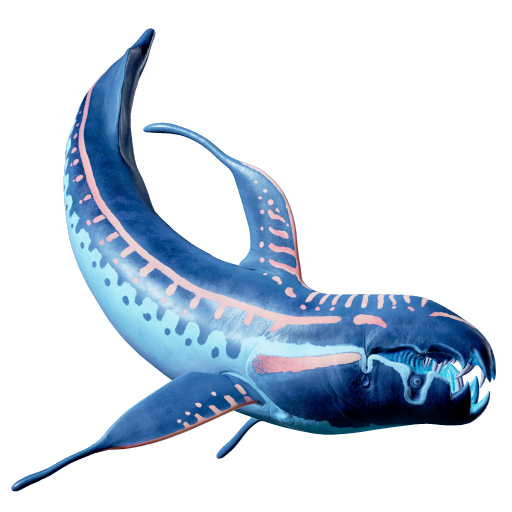
拆骨鲨
移动的

拆骨鲨

fauna · 10 地图点

拆骨鲨(暂定名Mango marrowbreach)。

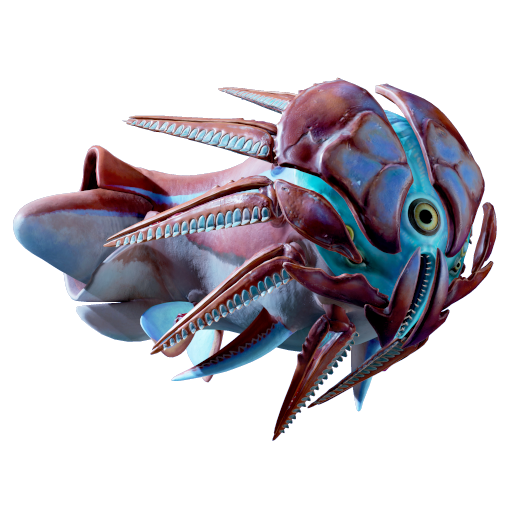
锤头鱼
移动的

锤头鱼

fauna · 10 地图点

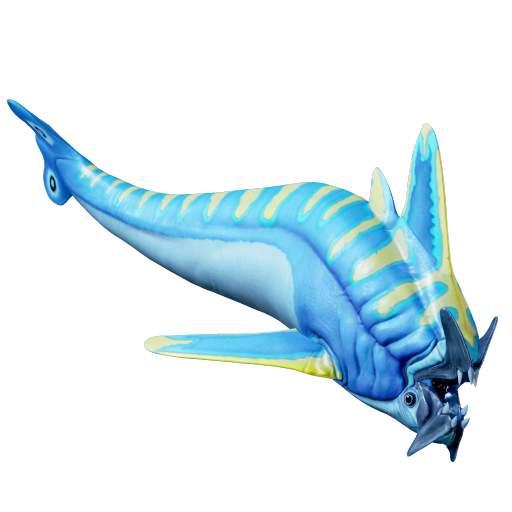
锤头鱼(暂定名Panoplia hammerhead)。具有领地意识的披甲群居食草动物,冲撞能力强大。 1. 锤状头部 会向领地内的入侵者发起挑战,尤其是其它锤头鱼。攻击前会展开胸鳍,闭合釉质头盾。 2. 喷射推进 眼睛后方的喷水孔通过内鳃向喷射通道供水。喷射为锤头鱼的突发冲撞提供推力。 3. 大型脑部 悬浮在保护性包囊里。中央的眼睛感知色彩,两只较小的眼睛对运动敏感,负责引导冲撞。 4. 牧食颚部 强壮的垂直颚部表明它以海绵、海草、被囊动物,甚至可能以碾碎的珊瑚为食。或许是保护牧区的需要让锤头鱼演化出了领地意识。 5. 练习行为? 锤头鱼会冲撞珊瑚球。适应性增益不明,可能是为了硬化头盾。 建议当心,尤其是在驾驶载具时。社会认知可能和地球的有蹄类动物相仿,而部分有蹄类对人类极其危险。冲撞区域(被称为求偶场)是海洋噪音的主要来源。

电流海鞘
移动的

电流海鞘

fauna · 37 地图点

电流海鞘(暂定名Salpapod geordiwangi)。普通四翅海鞘的亲缘或者变种。有趋向电流的习性。 1. 趋电性 电流海鞘会追寻带电的电流。它们可以耐受惊人的电流强度,因此用手或者用工具移除十分危险。短路可能会同时危及海鞘和电子系统。 2. 充满凝胶的胃 放电海鞘有四个憩室囊袋,内部充满了水凝胶,类似于侦测电场的器官劳伦氏壶腹里的感受粘液。这些囊袋可以侦测隐蔽猎物的电场,或者搜寻海底软泥里的导电菌丝。人工电流会形成超常刺激,具有难以抵抗的诱惑力。 3. 电能新陈代谢 虽然难以置信,但是电流海鞘演化出代谢电流的能力并不是不可能的。所有有机体的新陈代谢本质上都是电子传递的过程,并且在风暴星球和真空生命中已经观测到了直接电营养现象。 评估:对电子和通信系统造成严重危害。可能需要诱饵来管控侵扰。

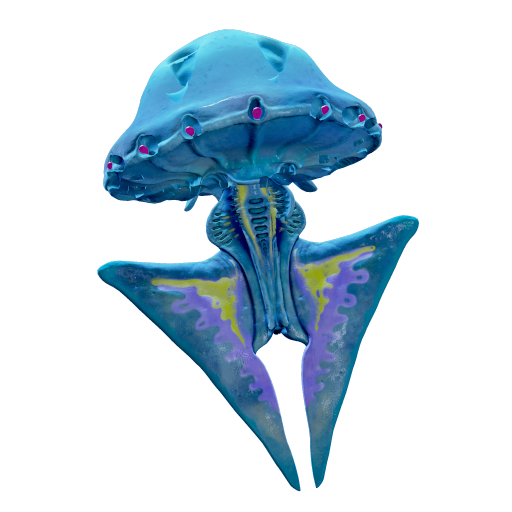
放电水母
移动的

放电水母

fauna · 138 地图点

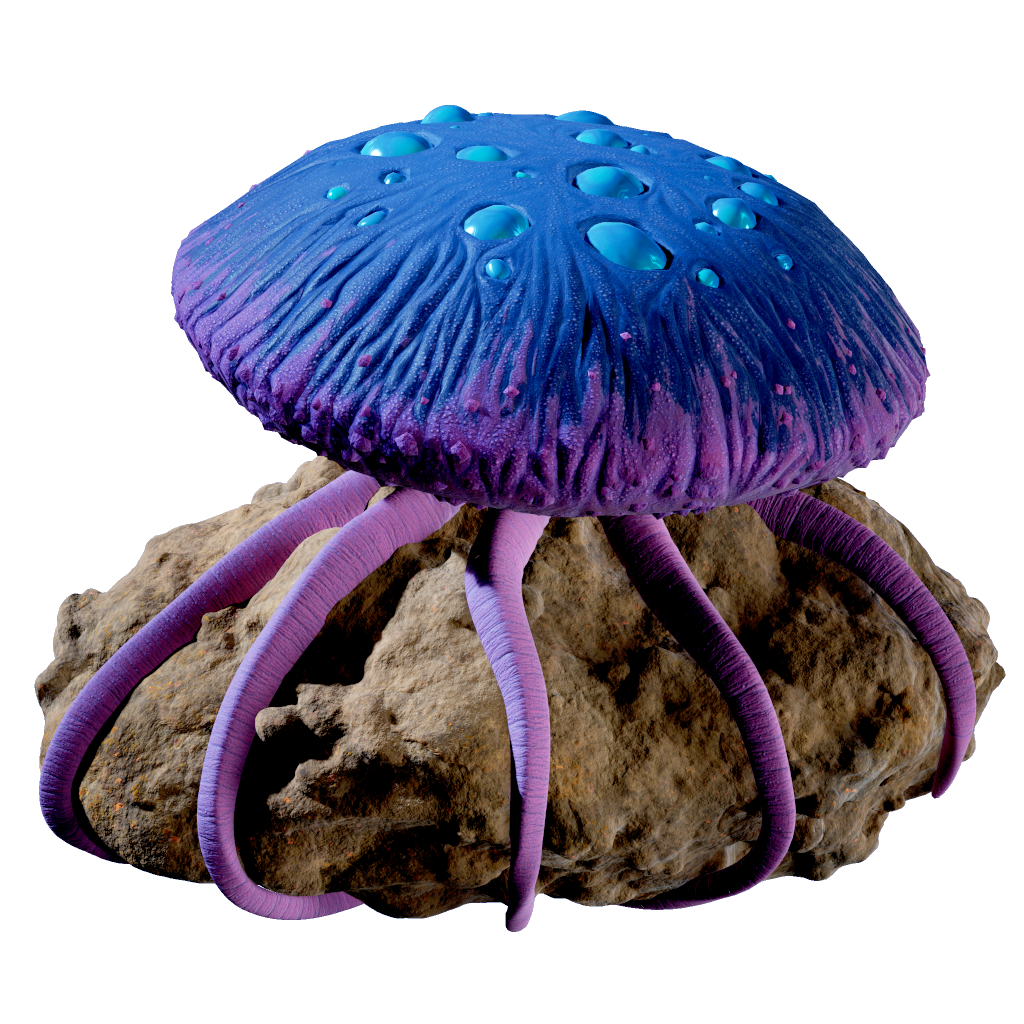
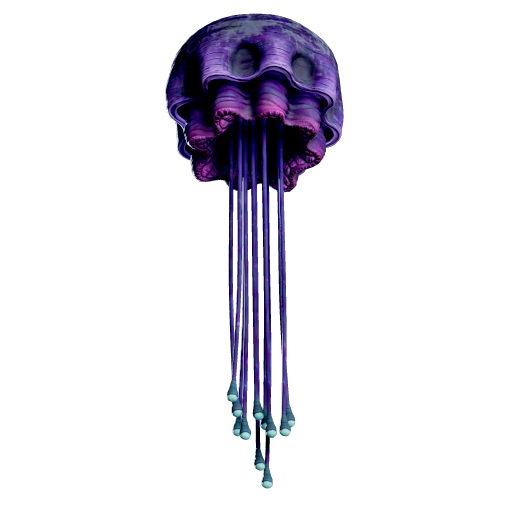
放电水母(暂定名Staurobrachia capacitor)。使用电击捕猎的大型复杂水母。 1. 单体动物 和僧帽水母等群居有机体不同,放电水母是带有特化组织的单体动物,特化和复杂程度远超地球水母。提议纲命名:staurobrachia(长柄)。 2. 复杂内部结构 外部伞帽被名为感觉棍的感觉器官环绕。神经网协调伞帽的运动来游动和寻找猎物。可见的内部结构为内脏。 3. 摄食结构 该水母保留了柄,这是它在克隆堆叠中生长的残余。柄会为内脏吸收养分。 4. 带电的鳍 两片刚硬的鳍含有类似电线的发电细胞,可能由原始的触手演化而成。这些器官会积蓄电压,击晕或者杀死猎物。测得功率范围1安培下为400到1000伏特:足以杀死一个人类。 5. 不寻常的携带物 放射性残留、耐高温蜡质和硫酸成分说明和热泉喷口有过接触。从水母的组织成分上看起源为深海。 6. 曾经家养? 放电水母在近距离会通过电场交流。它们是否拥有个体名字或者语法语言纯属推测,但是部分模式或许是通过训练、学习,甚至代代相传形成的。 评估:近距接触有轻微危险。远距离研究前景广阔。

飞针鲨
移动的

飞针鲨

fauna · 11 地图点

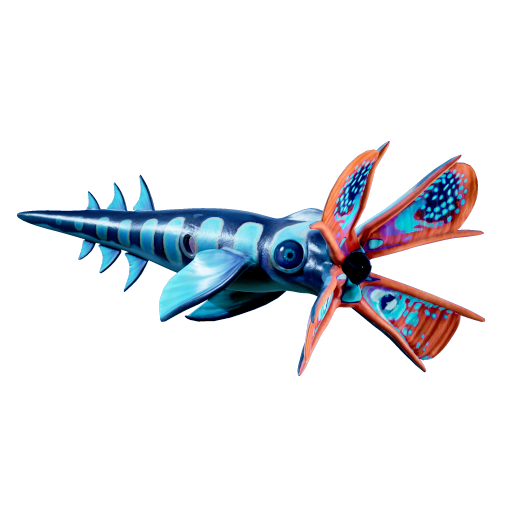
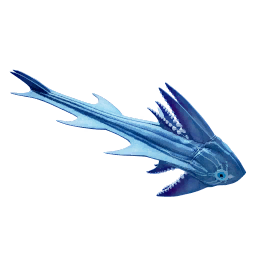
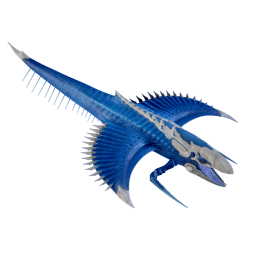
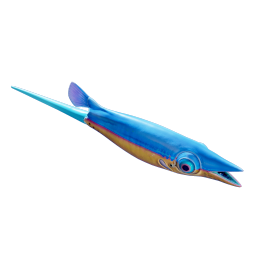
Mango kestros,投掷飞镖的鲨鱼。具有领地意识的捕食动物,能够以最高每秒20米的速度发射带有铀金属尖端的长牙。

角壳贝
移动的

角壳贝

fauna · 20 地图点

分配的存储里发现以下命令的脚本挂钩>>生成-数据库“角壳贝”>>回显

移动的

警戒蜂虾

fauna

Veps Sensor is fauna catalogued from the current creature data. No combat stat block is attached to this entry, so the wiki profile focuses on the structured habitat and spawn facts available.

巨颚贝
移动的

巨颚贝

fauna

巨颚贝(暂定名Megamya sudacna,会咬你的大蛤蜊)。巨大的杂食性双壳贝类,具备危险的防御/捕食机制。

啃咬鲨
移动的

啃咬鲨

fauna

啃咬鲨(暂定名Mango tructa)。讨厌的杂食动物,适应了刮擦的进食方式。喜欢追咬鱼、海绵、海草和人类肢体。

蜡月鱼
移动的

蜡月鱼

fauna · 15 地图点

蜡月是一种掠食性动物群,收录于阿克苏姆废墟、殖民地堡、珊瑚花园等地。当前记录列出了主区域内 4 个生物群系中 15 个已确认的生成点,该簇集中在 -2341 / 4282 / -143 附近。此条目没有附加任何战斗统计数据块,因此维基配置文件重点关注可用的结构化栖息地和生成事实。运动数据包含6个行为行。

猎狗鱿鱼
移动的

猎狗鱿鱼

fauna

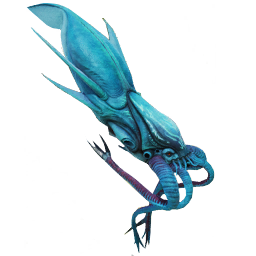
猎狗鱿鱼(暂定名Teuthis courser)。能够迷惑猎物,供拆骨鲨伏击的鱿鱼。 1. 类鱿鱼身体构造 和地球鱿鱼拥有同样的基本构造型——喙状头部、八条腕足、长长的柔软躯干和一对鳍。但是鳍的发达结构表明其演化历史和地球的无骨鱿鱼不同。两对喷水孔为内部鳃供水。 2. 伪装展示 猎狗鱿鱼会向猎物展示八条腕足之间的四片膜。数百万色素细胞(生物像素)生成动态伪装图案,隐藏猎狗鱿鱼的接近。 3. 拆骨鲨合作关系 猎狗鱿鱼是拆骨鲨的理想猎物,但是两个物种会合作捕猎。猎狗鱿鱼把猎物从藏身处赶出来,通过展示伪装迷惑对方,为视力不足的拆骨鲨标记目标。猎狗鱿鱼以吃剩的残渣为食。猎物越大,猎狗鱿鱼的收益就越多。 4. 强有力的喙 猎狗鱿鱼类似鹦鹉的喙可以撕裂坚韧的皮肉:因为猎狗鱿鱼吞下的所有东西都会穿过脑部中央,所以这一点非常重要。 5. 社会结构推断 为了避免自己成为食物,猎狗鱿鱼必须组队为拆骨鲨寻找优质猎物;拆骨鲨必须让渡更多战利品来吸引足够的猎狗鱿鱼队伍。猎狗鱿鱼会催促拆骨鲨捕食更大的猎物。猎狗鱿鱼和拆骨鲨之间持续合作的博弈正是阿尔特拉救济会的格言“我们都需要被需要”的写照。 评估:猎狗鱿鱼展示伪装可能预示着拆骨鲨即将发动攻击。可能有智力,或许可以被驯化。

孪生西塔鳐
移动的

孪生西塔鳐

fauna · 13 地图点

Sitaroid gemini,形状类似西塔琴的孪生鳐。因为生态破坏而被驱赶到海面的深海电捕食动物。

泡泡鱼
移动的

泡泡鱼

fauna · 59 地图点

可以模仿某种未被发现的海带物种气囊的猎物鱼。

喷射虾
移动的

喷射虾

fauna · 15 地图点

喷射虾(暂定名Tripod phrontiscaris)。表现出育儿行为的三足社会性甲壳动物。 1. 三足身体构造 由于早期演化的双侧对称,地球上不存在三足有机体。喷射虾的腿可能是较前期的六条腿(每侧三条)融合而成。小型前肢保持独立。 2. 腿部喷射 每条腿上都有一个带阀门的推进器,由位于腿部的鳃演化而成,使得喷射虾可以悬停和游动。模拟显示腿部融合使得鳃推进器的尺寸加倍,提升了效率。 3. 摄食舌头 喷射虾调用两条长长的灵活齿舌(可能由处理食物的颚足演化而成)寻找食物。前肢清洁和刷洗齿舌。这些附器很敏感,但是能够再生。表明喷射虾可以重新长出神经,而海底有东西喜欢把它们咬掉。 4. 育儿行为 喷射虾会携带并且保护同类物种的幼体,富有表现力的肢体语言表明存在密集的社会生活。光谱遗传分析指出部分幼体是收养的,并非看护方的遗传后代。尽管从理性适应的角度来看这是一个错误,但是在许多物种身上都可以观察到收养现象。可能是本能行为的痕迹。或者喷射虾曾经生活在完全社会性的群体中,由单个负责繁殖的虾后生产幼苗,再由工虾照料。 评估:基本无害。可能提供情感收益。

潜沙矛 Juvenile
移动的

潜沙矛 Juvenile

fauna · 20 地图点

沙矛幼年鱼是一种大型掠食性动物群,收录于阿克苏姆废墟、珊瑚花园、杂草丛生的废墟等地。当前记录列出了主区域内 4 个生物群系中 20 个已确认的生成点,该簇集中在 -2899 / 4209 / -102 附近。记录的生物调整列出了 1000 HP 和 500 最大游泳速度。运动数据包含6个行为行。

潜望小丑蟹
移动的

潜望小丑蟹

fauna · 35 地图点

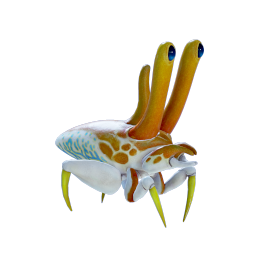
Ostrakonskelos periskopion,长着硬腿的潜望镜。在蜇刺海葵中寻求庇护的群居蟹类。

氢海鱿鱼
移动的

氢海鱿鱼

fauna

Hycean hycean,奇特的飞行捕食动物,命名来自于同时具有氢大气层和液态海洋的行星。

鲨群利维坦
移动的

鲨群利维坦

fauna

“生物圈的大部分是一片虚无。五千米深的水下荒漠。海面的生命在阳光下生活,然后死亡。尸体如雪花般沉入海底,喂养奇异的生命。

珊瑚蟹
移动的

珊瑚蟹

fauna · 7 地图点

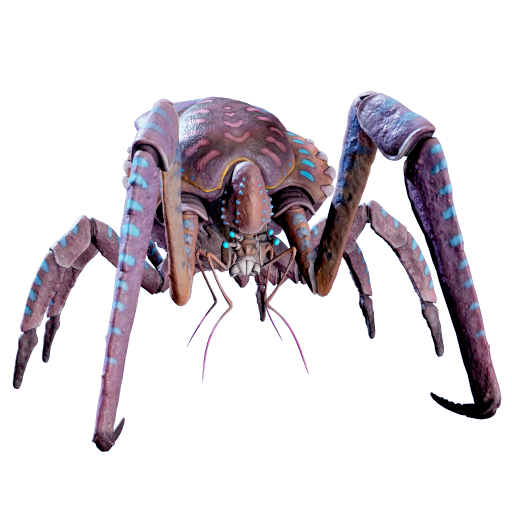
藏在珊瑚球之间的巨型螃蟹(暂定名Ostrakonskelos anaktoraphore,长着硬腿,带着宫殿的)。 1. 类似蟹的身体结构 前肢用来耙集和挖掘食物,由嘴边长长的柔软颚足(处理食物的肢体)负责收集。必须蜕皮才能生长。 2. 珊瑚球 它们把活体珊瑚球从附着器上切下来,穿戴在身上,从而提供伪装、保护,也许还是蟹苗的的育儿室。是否会终生和同一个珊瑚球绑定?还是说随着生长不停地更换? 3. 潜在天敌 其防御和行为说明,存在一种强大而灵巧的捕食生物,能够把它从珊瑚球里剥出去,并且敲开厚重的甲壳。 4. 病毒活动 基因组含有大量重复的逆转录病毒插入,包括神经生长因子和壳色素。分子钟表明它们都是近期引入的。蟹背上的细胞含有珊瑚球个虫基因组的大片段。 5. 大型脑部 珊瑚蟹没有脊椎神经索。眼睛上方的大型脑部负责感知和行为决策,次级神经簇控制腿部和消化系统。 6. 海底交流 珊瑚蟹会敲击海底,向彼此发送信号。螯钳碰撞很可能是极度激动或者焦虑的迹象。某些地球蟹类在蜕皮前寻找理想伴侣的行为被称为“牵手”。如果在该星球发现类似的行为,或许能带来情绪上的满足。 7. 生态压力迹象 矿物质缺乏和真菌感染表明存在环境压力因素。 评估:对你的恐惧可能超过你对它的恐惧。保持谨慎和尊重。其智力至少与大猩猩相当。可能是海床资源的有用来源。 研究提案:确认珊瑚蟹是否会携带珊瑚球前往阳光充足或者营养丰富的区域觅食。

闪光蛞蝓
移动的

闪光蛞蝓

fauna · 30 地图点

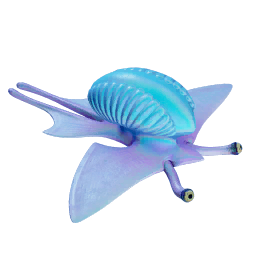
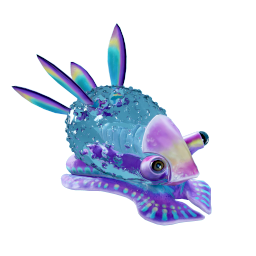
Seaslug kleptopharos,被偷窃了信标的蛞蝓。水蛞蝓的亲缘体,能够自由游动和发光,但是拥有完全属于另一个物种的嵌合特征。

深翼育母鲸
移动的

深翼育母鲸

fauna

Titanotagmatapterya amalthea,巨型分节有翼的丰饶角。硕大的利维坦节肢动物,拥有巨型撕裂喙和大量脂肪沉积,用来为卵提供营养和保护。

深渊巨触
移动的

深渊巨触

fauna · 27 地图点

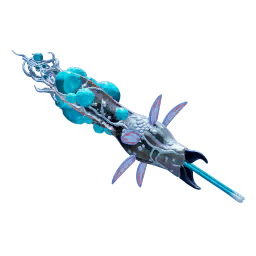
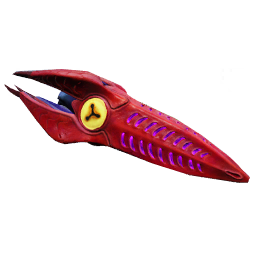
巨型头足类捕食动物(暂定名Tyrannoteuthis phobocoeus,可怕的好奇暴君鱿鱼)。以外壳坚硬、防御森严的猎物为食。独居,但是高度智能。可能是深海生物。 1. 类鱿鱼身体构造 深渊巨触的身体和地球鱿鱼趋同——长长的外套膜,多根腕足直接和头部相连。外套膜覆盖着塑料盔甲。和地球鱿鱼不同的是,深渊巨触有四条长长的捕猎触手,上面长着灵敏的爪子。八根小腕足围聚在喙旁。 2. 强大的推进器 两个大型喷水口为向后的推进器供水。喷水口独立于头部的四个鳃孔,让深渊巨触的呼吸频率和推进速度互不影响。两个副心脏把血液从鳃泵往主心脏。 3. 坚硬猎物 巨大的喙(能够撕开钛板)和四根带有生物玻璃爪子的灵敏触手暗示深渊巨触经过特化,可以撬开或者撕开盔甲厚重的猎物。可能的被捕食动物包括珊瑚蟹和巨颚贝。为了击败活泼好动的披甲猎物,它可能演化出了好奇和攻击性的心理。 4. 声波发射器官 这个巨大的多腔器官是一个生物相控阵声呐。多个“扬声器”和“耳朵”让深渊巨触能够发射复杂的多段脉冲。密集的神经分布把该器官和环形大脑连接在一起;生物发光模式可能直接反映了深渊巨触的大脑活动。 5. W形瞳孔 瞳孔在强光下会折叠成W形。这一特征也表现在地球的头足类动物身上,但是在全新世大崩溃之前一直未能确定它的功能。 6. 深海巨大现象 来自深海的有机体通常非常巨大,这种现象被称为“深海巨大现象”。 评估:食性多样,取食难度高的猎手往往具有一定的智力和求知欲,捕食者的好奇心对猎物而言可能意味着肆无忌惮的折磨。任何小型潜水器或者栖息所都有可能引起深渊巨触的兴趣。

水华寄生虫
移动的

水华寄生虫

fauna

没有腕足,长着喙的头足类动物(类似鱿鱼),以血液和体液为食。被能够改变它行为的大型RNA病毒(生成名:“普罗透斯贝塔毒株”)大规模感染。

水蛞蝓
移动的

水蛞蝓

fauna

水蛞蝓(暂定名Seaslug hydroclast)。生物学的未解之谜,能够把海水转化为可饮用淡水。 1. 微生物燃料电池 从海水里去除盐分非常耗能。然而水蛞蝓内部的微生物反应堆以海水中的废弃物为燃料,或许是以副产物的形式实现了这一过程。 2. 淡水储藏 疏水塑料球茎可以防止水蛞蝓在盐水中迅速脱水。 3. 浮游生物养殖 水蛞蝓的储水球茎里寄宿着可以把光能转化为食物的高产浮游生物。淡水可能对浮游生物的化学反应是必要的,也有可能它是一座监牢,防止它们离开的一种手段。 4. 吸血特征 水蛞蝓发育出了带有锋利切割表面的喙。在演化历史中可能作为寄生或者共生生物,吸食宿主的血液,并且过滤掉其中的毒素。 评估:附近唯一的饮用水来源。建议饮用前使用装配台烹煮。如果出现肾脏问题,考虑让水蛞蝓吸食血液。

水母圈
移动的

水母圈

fauna · 20 地图点

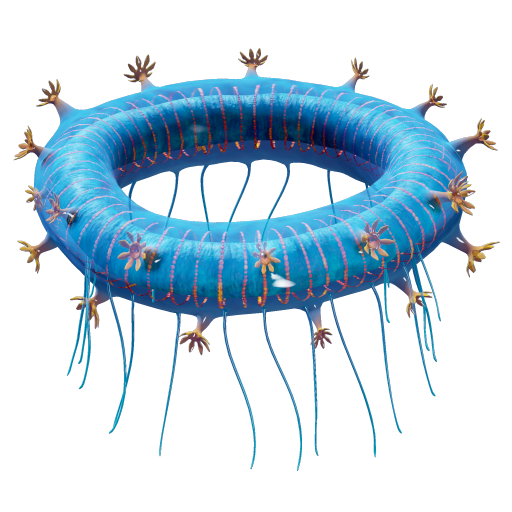
水母圈(暂定名Thermodont sufganiyah,吃热量的水母甜甜圈)。并非真正的水母,但是充满胶质。以热泉喷口的热量和流出的化学物质为食。

四翅海鞘
移动的

四翅海鞘

fauna · 148 地图点

四翅海鞘(暂定名Salpapod geordie)。从某种类似硬骨章鱼的有机体演化来的喷射推进杂食动物。 1. 锉刀状颚部 四翅海鞘的坚硬口器可以从岩石上刷下藻类、碾碎小型甲壳动物、拔出珊瑚的堵塞物、切割成团的海草。 2. 四鳍结构 可能由骨质腿部演化而成,为四翅海鞘引导方向,并且容纳着四个憩室囊袋。 3. 憩室胃囊 每条鳍腿都有一个消化囊袋,其中的细菌经过特化,对应了四翅海鞘多样化饮食的不同部分。游泳运动有助于搅动和消化食物。 4. 中央喷射 中央通道布满蜇刺细胞,可以击杀小型海生动物。手指切勿插入。肌肉脉动通过喷射作用推进四翅海鞘。 5. 甜甜圈状的“脊椎”索 四翅海鞘的神经索被形似甜甜圈的喷射通道环绕。环形的脑部结构在大型有机体中可能会产生有趣的下游后果。 评估:可食用,但是富集金属和蜡质。建议使用装配台彻底烹饪。

四牙海鞘
移动的

四牙海鞘

fauna

四牙海鞘(暂定名Salpapod tetragnatha)。普通四翅海鞘的肉食性亲缘或者变种。 1. 四翅海鞘相似性 和四翅海鞘的身体构造相同,但是锉刀状颚部被替换成了四颗穿刺性牙齿。 2. 肉食食性 四牙海鞘会钻入活体皮肉吸食血液和渗出液。强行拔除容易对宿主造成二次损伤。考虑使用光照或者加热诱导四牙海鞘主动脱离。 3. 抗凝血酶 抗凝血物质能够阻止猎物的血液凝固,类似于地球吸血蝙蝠的抗凝因子表达。它和水蛞蝓身上发现的酶相同。可能是被逆转录病毒转移过来的。 4. 四翅海鞘数量超标 四牙海鞘对当地生物造成的负担很高,说明曾经调节四牙海鞘种群数量的物种数量已经减少或者灭绝。另一种推测是四翅海鞘可能营养短缺,变种为四牙海鞘寻找新的食物来源。 评估:如果被持续附着,可能造成严重甚至是致命的脱水。使用尽可能安全的方法移除。考虑在遭遇有机体时清理它们身上的四牙海鞘,观察其社交响应。

四眼鱼
移动的

四眼鱼

fauna · 33 地图点

四眼鱼(Morokotoform duplex)。始终成对孪生的捕食鱼类。双鱼腹部相连,消化系统和神经系统互通,表现为单一有机体。

移动的

穗芒管虫

fauna

穗芒管虫(Ventworm awn)。栖息于富含矿物质的热水里,其羽状物从环境中收集硫化氢和其它矿物质。可以在接近沸点的温度下生存。

偷舌贼
移动的

偷舌贼

fauna · 15 地图点

Postpanoplia epicurean,贪吃的无盔甲的盔甲鱼。行为多变、十分饥饿,尤其是在被寄生虫影响的时候。

移动的

卫兵蜂虾

fauna

Veps Defender is fauna catalogued from the current creature data. No combat stat block is attached to this entry, so the wiki profile focuses on the structured habitat and spawn facts available.

雄性鲨群利维坦
移动的

雄性鲨群利维坦

fauna

Skythopterygion atropos,镰刀鳍的命运终结者。雌雄异形利维坦捕食动物中的雄性个体。该物种栖息于开阔海域,经常组成群体攻击。

悬浮刺鱼
移动的

悬浮刺鱼

fauna · 229 地图点

可食用的鱼类,但是肉量稀少。由于独特的电磁推进机制难以捕捉。

子弹头
移动的

子弹头

fauna · 206 地图点

潜伏在洞穴里的高速群居捕食动物,以寻找配偶的生物发光有机体为食。捕猎时对声光十分敏感。不属于EA1

BFJ
移动的

BFJ

fauna

Dactylbrachia gigas,巨兽指足水母。没有地球对应物种的巨型标本。

Crimson Shrimp
移动的

Crimson Shrimp

fauna · 5 地图点

红虾是珊瑚花园中记录的被动动物群。当前记录列出了主区域内 1 个生物群落中 5 个已确认的生成点,该簇集中在 -3538 / 4267 / -46 附近。此被动条目没有附加任何战斗统计数据,因此维基配置文件重点关注栖息地放置、产卵观察和威胁分类。

Fish School Flutter Tail
移动的

Fish School Flutter Tail

fauna · 213 地图点

鱼群扑尾是被动动物群,收录在殖民地堡、珊瑚花园、墓地和另外 3 个地方。当前记录列出了 6 个生物群落中的 213 个已确认的生成点,横跨默认 Devmap、Main、PCG Zoo 和另外 2 个区域,该簇集中在 -1906 / 2502 / -26 附近。此被动条目没有附加任何战斗统计数据,因此维基配置文件重点关注栖息地放置、产卵观察和威胁分类。

Fish School Mirrorhalfmoon
移动的

Fish School Mirrorhalfmoon

fauna · 186 地图点

镜月鱼群是一种被动动物群,收录于殖民地堡、珊瑚花园、高原等 1 个地方。当前记录列出了 4 个生物群落中的 186 个已确认的生成点,横跨默认 Devmap、Gameplayzoo Stimuli、Main 和另外 3 个区域,该簇集中在 -1628 / 2060 / -20 附近。此被动条目没有附加任何战斗统计数据,因此维基配置文件重点关注栖息地放置、产卵观察和威胁分类。

移动的

Giant Tube Salp

fauna

Giant Tube Salp is fauna catalogued from the current creature data. No combat stat block is attached to this entry, so the wiki profile focuses on the structured habitat and spawn facts available.

Locust
移动的

Locust

fauna · 137 地图点

蝗虫是一种被动动物群,收录于阿克苏姆废墟、珊瑚花园、墓地等 1 个地方。当前记录列出了主区域内 4 个生物群落中 137 个已确认的生成点,该簇集中在 -2908 / 4516 / -147 附近。此被动条目没有附加任何战斗统计数据,因此维基配置文件重点关注栖息地放置、产卵观察和威胁分类。

Nibbler Shark
移动的

Nibbler Shark

fauna · 13 地图点

噬食鲨是一种大型掠食性动物群,收录于殖民地堡、珊瑚花园、高原等地。当前记录列出了主区域内 4 个生物群系中 13 个已确认的生成点,该簇集中在 -3348 / 4197 / -29 附近。记录的生物调整列出了 100 HP 和 500 最大游泳速度。运动数据包含8个行为行。

Scourge Hive
移动的

Scourge Hive

fauna

Scourge Hive is fauna catalogued from the current creature data. No combat stat block is attached to this entry, so the wiki profile focuses on the structured habitat and spawn facts available.

移动的

Snorkleback (Adult)

fauna

Snorkleback (Adult) is fauna catalogued from the current creature data. No combat stat block is attached to this entry, so the wiki profile focuses on the structured habitat and spawn facts available.

Teal Cycloplet
移动的

Teal Cycloplet

fauna · 29 地图点

青色 Cycloplet 是珊瑚花园中编目的被动动物群。当前记录列出了主区域内 1 个生物群落中的 29 个已确认的生成点,该簇集中在 -3462 / 3982 / -49 附近。此被动条目没有附加任何战斗统计数据,因此维基配置文件重点关注栖息地放置、产卵观察和威胁分类。

百臂被囊
无柄

百臂被囊

Sessile fauna

*Hecaton tunic*. Named for the hundred-handed hecatoncheires of Greek myth. A complex of animals undergoing competitive sex differentiation. 1. Anatomy Each pore on the surface of the hecaton is the mouth of a tunic, a complex filter-feeding animal. The colony's branching structure allows each tunicate acces to the water so it can breathe and eat. Each tunic grows a flexible, semi-hard polyvinyl shell which merges with the neighbors' tunics, defending the entire colony. 2. Growth patterns Analysis suggests the colony begins as a single stem of identical tunicates cloned from an embryo. More successful tunicates become large and sexually mature, starting new arms of the colony and developing their own eggs. Less successful tunicates are driven to the ends of the arms, where they shrink and develop a teal bioluminescence. 3. Viral reproduction The less successful tunicates do not release sperm. Instead, they are heavily infected by a strain of large RNA virus in the seawater. The majority of the tunic's genome consists of copies of this virus insert by retroviral action. How the hecaton tunic fertilizes eggs is therefore unclear—it seems to lack sperm cells. Assessment: reproductive enigma. Await further updates.

百叶囊巢虫
无柄

百叶囊巢虫

Sessile fauna

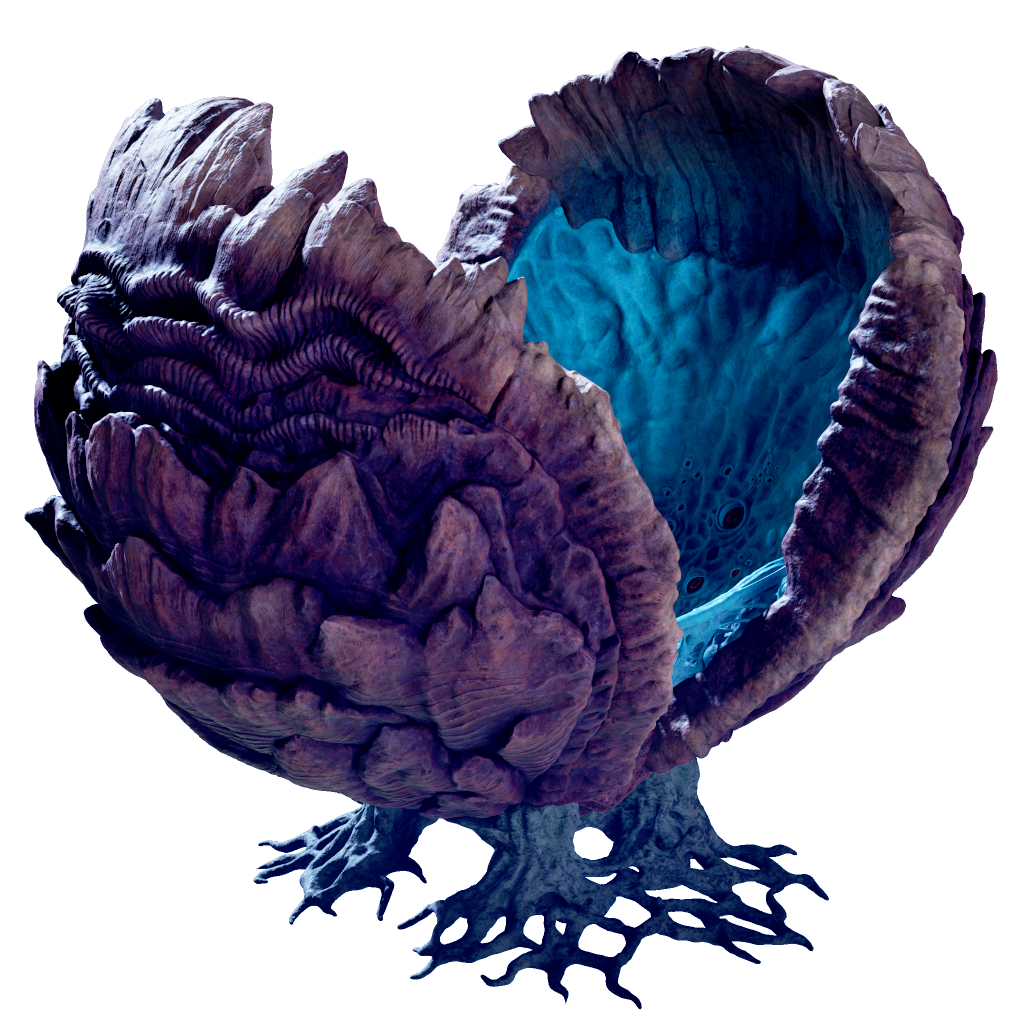
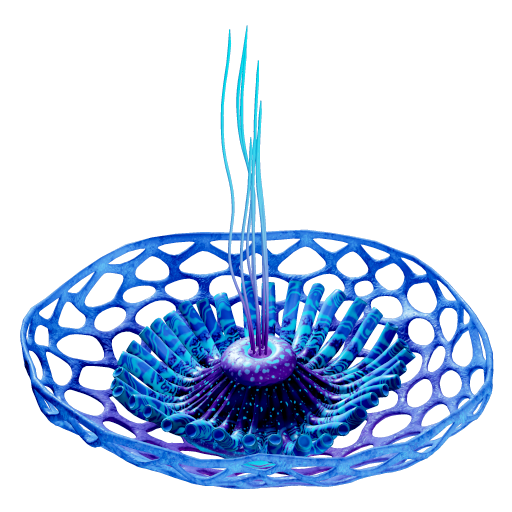
*Raion calix*. A puzzling combination of worm colony (the raion) and slime mold. 1. Feeding strategy Feeds on drifting matter, though the worms also sting and kill meiofauna (small sea life between 45 nm and 1 mm in size). 2. Glassy central structure The central structure is a glasy spicule similar to those found in Earth's glass sponges. The worms live in this structure, creating a raion — a sponge inhabited by worms. 3. "Tripe bowl" The ‘tripe bowl’ around the base is a single enormous cell, similar to Earth’s syncytial slime molds. The structure resembles the lining of a cow’s stomach, although this Voronoi pattern is common to self-organizing structures in many exobiologies. Its function is unclear. In terrestrial analogs, syncytial structures can be found in both healthy tissues like muscles and in tissues infected by certain viruses. Optogenetic analysis cannot determine the tripe bowl's genetic ancestry. Assessment: biological enigma. Await further updates.

鞭海柳
无柄

鞭海柳

Sessile fauna

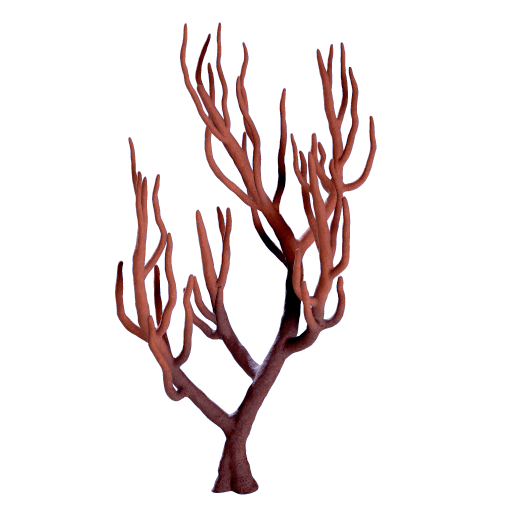
*Gorgon mastix*, the whip gorgon. A soft coral similar to the earthly gorgonians — it lacks the hard limestone shell of a true reefbuilding coral. 1. Earthly namesake Named for the extinct *Leptogorgia virulata*, Earth's sea whip. Like the sea whip it is a predator, and it must defend its soft body from parasites and predation. 2. Spine defenses Unlike the terrestrial sea whip, which developed a chemical arsenal to repel unwanted contact, the whip gorgon colony has developed specialized 'soldier' polyps which migrate to the surface and develop a brittle spine. When disturbed, this spine snaps off, releasing the soldier's payload of toxins. It is impossible to project the effects of this sting on colonists, but mechanical similarities to the infamous Australian gympie-gympie plant suggest negative outcomes ranging from chronic agony to total sleep deprivation lasting weeks to years. 3. Carnivorous diet 'Civilian' polyps in the whip gorgon use their stings to kill and digest microscopic prey. They lack the brittle spine and powerful toxins of the soldier polyp. ASSESSMENT: Avoid contact. Consider pruning back with hand tools.

冰箱虫
无柄

冰箱虫

Sessile fauna

*Ventworm cryocthonian*, the vent worm that brings cold from below. 1. Vent worm The fridge worm's body plan is familiar from terrestrial analogs — a tubular body with a protruding gill. The body hosts a colony of symbiotic bacteria in a chamber called the trophosome ("feeding body"). These bacteria help the worm survive extreme environments. 2. Cold water emitter The cryocthonian lives in colonies along geothermal gradients—from hot to cold. It exploits the flow of energy and minerals through the rock to feed. Colonies pumps deep, cold brine (usually at 4 degrees C) to the worms exposed to hot water, helping regulate their temperature. 3. Sulfur-based metabolism The symbiotic bacteria in the fridge worm feed on sulfur and other dissolved minerals. The fridge worm uses cold deep-sea brine to trigger chemical reactions which help collect minerals from the hot vent water. Assessment: Produces pockets of cold water. May attract life that cannot tolerate the surrounding heat.

花环水母
无柄

花环水母

Sessile fauna

*Anthobrachia hebesoros*, the young stack of flower arms. Reproductive stage of a flower-like jelly. 1. Polyp Despite its resemblance to a kelp, the jelly lei prefers to hang underneath surfaces—where it cannot photosynthesize. It is the rooted polyp phase of a jellyfish's life cycle. The chain of 'flowers' growing beneath the polyp are larval jellyfish, called ephyra. The stalk itself is called a scyphistome. 2. Ephyral traits The budding larvae have broad, flat petals which will eventually merge into the adult jelly's bell. These petals already host photosynthetic symbiotes—it is possible the adult jelly will seek light sources to grow, akin to the terrestrial upside-down jelly. Note the purple color produced by photosynthetic retinal, the same molecule your eyes use to detect light. 3. Heat stress The jelly lei's growth cycle has been accelerated by heat stress. The stalked parent may release its larvae early to allow them to swim clear of hot, oxygen-depleted water. Assessment: sign of ecological crisis.

监听海柳
无柄

监听海柳

Sessile fauna

*Gorgon Kryphakous* or Listening Gorgon. A soft coral with dull olive filaments. A predatory filter feeder that sways with the current like kelp. Not known to be hostile or harmful to humans, but remains under observation (see notes below). 1. Sound sensitive Dissecting the Listening Gorgon's basal filaments reveals a web of vibration-sensitive cilia hidden in its soft, gelatinous core. These can detect movement through water at resolutions not seen except in the airflow sensors of clip-winged gnats on Kepler-22b - enough to pick up the swish of a tail through miles of water. 2. Reactive orientation At first the listening gorgon appeared inert, but its movement is simply too slow to be perceived. It has been observed to orient itself over time to specific low-frequency vibrations. It will do this even if food is less abundant in that direction. 3. Silent. The Gorgon kryphakous has no vibration-producing organs. It emits no detectable signals - no chemical plumes nor bioluminescence. It is essentially silent across all known communication spectra. ASSESSMENT: Requires further analysis. One leading hypothesis suggests that the Listening Gorgon once tracked the low-frequency vibrations of a massive, slow-moving marine species - now possibly extinct, or still undetected in the deeper zones of Proteus’s oceans. If so, the open question is whether this trait evolved in response to an ecological partner... or a threat

杰克海绵
无柄

杰克海绵

Sessile fauna

娜希玛,语音日志,开始。地球上最后一位伟人曾经笑称,造物主一定钟爱星辰和甲虫,不然也不会创造那么多。 两百年后,我们发现了很多外星生命,甲虫却不是很多。抱歉,杰克。但是你看,你的造物主还是偏心。不管在哪里,它好像都会从海绵开始。

剧毒海绵
无柄

剧毒海绵

Sessile fauna

A hateful and malicious sponge. Assessing PDA neural temperature. Reducing output subjectivity. *Symphon achlys*, sponge of dying mist. A dangerous semi-predatory sponge that acts as the central node in a necrobiome. 1. Bacterial arsenal Sponges cultivate bacteria which secrete helpful chemicals. At some point in its history the toxic sponge was infected by a bacterial symbiote which generated a powerful antibiotic (akin to the human Streptomyces). The bacterium used this antibiotic to extinguish competition, then began an internal power struggle to evolve compounds that could destroy rival strains of its own species. The result is a sponge flush with an antibiotic so concentrated it causes skin burns and nerve damage. 2. Touch based hunting strategy When brushed, the sponge contracts sharply, expelling a cloud of antibiotic toxin. Microorganisms are killed, and larger species may enter convulsions and die nearby. The dead matter decomposes, releasing nutrients upon which the sponge feeds. 3. Animal gene fragments The toxic sponge's genetic code contains fragment of an animal genome: likely a crustacean. Assessment: avoid. Keep medical supplies on hand to treat chemical burns and nerve damage.

卷心菜芽根
无柄

卷心菜芽根

Sessile fauna

*Shootroot cabbage*. A robust bottom-dwelling organism anatomically similar to a plastic starfish, or to an opened variety of Earth's extinct blastoids. 1. Animal anatomy The cabbage shootroot's upwards-facing mouth is surrounded by outstretched arms. These arms are hard, tightly grouped, partly calcified, and covered in a tough biopolymer characteristic of other shootroots (tentative name: polyproteovinyl). These arms produce the cabbage-leaf texture that gives the shootroot its name. 2. Seabed burrowing A second set of arms uses ribbons of the same tough biopolymer to dig into the seabed, stirring up sediment and expanding cracks in rock. This is a difficult and metabolically expensive process, but it is a niche with little competition. 3. Symbiote kiss The cabbage shootroot does not use its mouth to eat, or its hard leaflike arms to feed. These surfaces seem to be reserved for a symbiotic partner. The cabbage shootroot uses its mouth to transfer nutrients gathered by its roots to the symbiote, and to receive a trickle of food or chemistry in exchange. 4. Circular nerve cord Like all shootroots, the cabbage shootroot is notable for its expression of a circular nerve cord. Assessment: do not sit. You may receive nutrients.

帘海柳
无柄

帘海柳

Sessile fauna

*Gorgon aulaia*. A soft, predatory coral akin to Earth's gorgonians, especially the Venus fan. 1. Sponge-coral moiety Like Earth's brown tube sponges (*Agelas schmidti*), soft corals on this world are a colony of coral polyps growing within a matrix of sponge tissue. In this specimen it is very difficult to distinguish the sponge's jellylike inner tissue (or mesohyl) from the soft coenenchyme which connects the coral polyps. 2. Ribbons of tissue The curtain gorgon forms a long, low-lying fan of tissue which catches prey. The curtain gorgon is an obligate predator and cannot survive on sunlight, but some specimens are colonized by chemotrophic bacteria which may provide the gorgon with extra energy. 3. Plasticized skeleton The gorgon's skeleton is chemically similar to PVC (polyvinyl chloride, an obsolete industrial plastic). Assessment: indicates the presence of plankton and other small sea life.

笼海柳
无柄

笼海柳

Sessile fauna

*Gorgon thalamiskos*. A predatory soft coral named for its resemblance to Earth's gorgonians. 1. Sponge-coral moiety Like hard corals on this world, gorgons are sponges inhabited by cnidarian polyps — tiny jellyfish like organisms which live within the sponge and direct its growth. Unlike hard corals, they do not produce a limestone structure or host photosynthetic microbes. They are pure predators. 2. Caged friend The cage gorgon specializes in capturing and protecting a symbiotic partner, which attracts prey for the gorgon to sting and eat. The cage gorgon larva probably adheres to a partner (such as a cherimoya rotsac) and then grows around it, eventually fastening the partner to the seafloor. 3. Duplex larva The free-swimming reproductive stage of the cage gorgon carries cells of a host sponge, like seeds. These seeds are genetically distinct from other sponges in the ecosystem, suggesting the cage gorgon is monogamous with only a single host sponge. Assessment: cutting open the cage gorgon allows access to the symbiotic partner and carries no risk of inflicting pain or suffering. The cage may attract a new partner before healing, or survive while empty.

末世海绵
无柄

末世海绵

Sessile fauna

*Symphon apokalupsis*. An unassuming button-shaped sponge that may be an omen of mass extinction. 1. Simplicity Among the earliest animal forms on Earth, sponges are a group of cells that live between two membranes and work together to pump water. Sponges on this world are similarly elegant. 2. Tolerance Due to this simplicity, sponges tolerate low oxygen and high temperatures better than many other organisms. They also benefit from elevated death rates, which floods the water with decaying matter. 3. Role in mass extinction Biospheres dominated by sponges may be an indicator of a recent or ongoing mass extinction. After Earth's first major die-off during the Ordovician period, some 85% of species went extinct, leaving a world ruled by sponges. The popular existential terror franchise "Life Is Only Pulse" is set in a fictionalized version of this time period. Assessment: possibly a warning sign of planetwide ecological collapse. Possibly not.

拟态海柱
无柄

拟态海柱

Sessile fauna

Tentatively *Pyloraptor mimic*. A predatory animal disguised as a leafy kelp. Discharges electrical shock when disturbed. 1. Cephalopod-like body Resembles an octopus or squid planted mantle-down in the seabed, with its arms spread to mimic kelp. Pouches of symbiotic bacteria between the arms allow it to photosynthesize. A beak at the center of its arms is plugged with mucus. 2. Electrical hunting The four arms contain electrocytes, organs which build up an electrical charge. When disturbed by prey, the electrocysts discharge, causing paralysis or death. It is unclear if the prey are directly eaten, or if they decompose in a garden around the mimic pylon. (Organisms which feed on external decay are known as saprotrophs.) 3. Implies kelp The pylon's cryptic aggressive mimicry of leafy kelp implies that kelp must exist on this world. Most species in Earths' oceans eat to survive, with primary production (the conversion of sunlight into biomass) carried out by plankton and algae. Leafy kelp were a late evolutionary development. 4. Cave mouth strategy Mimic pylons tend to cluster around sea cave entrances, perhaps to feed on organisms entering or leaving the caves. Alternately (and speculatively) they may have been planted there by another species to control access. Assessment: avoid contact to prevent injury. May mark cave mouths.

扭结酒壶
无柄

扭结酒壶

Sessile fauna

*Spraion flagon*. Databank generation alert: known scientific theory inadequate to explain specimen. Interpretation and improvisation may lead to error. 1. Sponge-worm hybrid Like the raions, this is a sponge occupied by worms. The sponge pumps seawater, while the worms feed on meioafauna in the current. In this 'spraion' the two organisms have become genetically entwined: each can give birth to the other. This defies conventional evolutionary theory, which uses reproductive barriers to define species. 2. Alternating generations Some of the sponge's germ cells undergo a transformation into worm embryos. This transformation involves the activation and expression of stored genetic material from the worm genome. Adult worms leave the sponge, swim to a new anchor site, and die. Their bodies provide food to a newborn flagon sponge. 3. Possible explanations The simplest explanation is that these are two alternating generations of the same organism — like the polyp and medusa stages of the jellyfish life cycle. But spectrogenetic analysis suggest the flagon sponge and its resident worms evolved tens of millions of years apart. Exactly how the reproductive cells of one organism can yield an adult of another species is unknown. Assessment: advise further investigation. May yield insight into genetic adaptations specific to this world. Await further updates.

蠕虫甜甜圈
无柄

蠕虫甜甜圈

Sessile fauna

An organism (tentatively *Raion donut*) that resembles an Earthly anemone or ceriantherian, but is actually a sponge occupied by a colony of predatory worms. 1. Raion An organism defined as a sponge occupied by a colony of cloned predatory worms. 2. Hunting strategy The worms live in the sponge's jelly (called the mesohyl), protruding from its anus (the osculum) to sting passing prey with sticky cells and draw them into the sponge. 3. Puzzling genetics Spectrogenetic analysis indicates the host sponge and the resident worms contain partial copies of each others' genomes. This is a biological impossibility on Earth, and suggests that genetic inheritance functions differently on this world. Assessment: minor sting hazard — do not insert fingers. Important scientific discovery.

散热珊瑚
无柄

散热珊瑚

Sessile fauna

通常生长在热泉喷口附近的硬珊瑚。利用其固定基座和冷水边缘之间的温差梯度驱动代谢反应。

珊瑚球
无柄

珊瑚球

Sessile fauna

*Coral geodesica*. The defining feature of its shallow biome. 1. Coral analog Like Earthly coral, the dome is a colony of polyps, small jellyfish-like animals that secrete a limestone skeleton. This process uses dissolved carbon dioxide from the seawater: corals are therefore an important method of climate regulation, since they transform atmospheric carbon into hard limestone. 2. Dual feeding strategy The dome's outer surface feeds on sunlight, using photosynthetic symbiotes known as zooxanthellae. As the dome grows, the colony clears its interior, recycling the limestone for reuse. Polyps on the inside of the dome hunt with stinging tentacles. 3. Mineral expulsion As the dome grows, it collects and expels mineral waste, creating nodes of quartz. 4. Critical ecosystem element The dome corals help regulate global climate and provide a breakwater, reducing erosion in their shallow surroundings. The domes capture nutritious sediments from sea currents. Pioneers should prioritize a survey of coral health. Assessment: critical source of quartz. Vital to the local ecosystem.

石子珊瑚绵
无柄

石子珊瑚绵

Sessile fauna

*Sporal psephos*. A moiety (two paired species) of a sponge and a coral. Possibly a single chimeric organism. 1. Reefbuilding Reefbuilding on this world seems to be carried out by a range of sponge-coral pairings. In hard corals, the sponge has lost its ability to feed independently and provides a hard shell for the corals. In this organism, the relationship is reversed: the coral polyps grow a hard surface shell, while the sponges continue to pump water. Because the hard shell blocks the sponges' pores, they work in pairs, with one inhaling through its osculum and one exhaling. 2. Dome coral association Frequently found on the surface of the larger dome coral, blocking patches of its surface from receiving sunlight. This may be an opportunistic/parasitic relationship. 3. Confusing genetics Both coral polyps and sponge cells seem to carry the full genome of both organisms, blurring the definition of a species. It is unknown how a single organism can contain genomes for two biologically distinct species; the two cannot reproduce sexually to combine their genes. Assessment: interesting data point.

树枝珊瑚
无柄

树枝珊瑚

Sessile fauna

娜希玛,语音日志,开始。这是一种典型的普罗透斯珊瑚,但并非典型的地球珊瑚。没错,它的形态结构大体呈树枝状,类似地球上已经灭绝的鹿角珊瑚……但是观察一下内部,就能发现奇怪的地方。 在地球,珊瑚是建造石头房子的小型水母。但在普罗透斯……它们更像是搬进了一栋公寓楼,搬进了一块海绵。珊瑚虫住在海绵的孔洞里……用清洁和保护海绵的方式来付房租。最终有些海绵会变得坚硬,和石头一样,类似地球上的硬海绵。 如果没错的话,我们应该可以看到其它珊瑚-海绵搭档达成不同的交易。每一种适配特定的生态位。真正的问题在于……它们的基因到底是怎么回事?

水瓶海绵
无柄

水瓶海绵

Sessile fauna

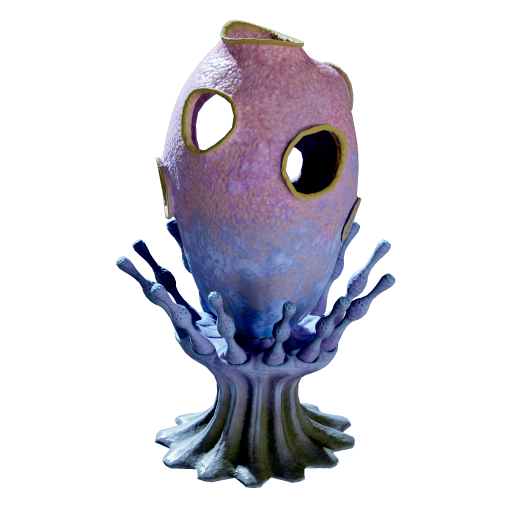
*Symphon amphora*. A sponge adapted to colonize — and create — air pockets. 1. Amphora-shaped structure Like all sponges, the amphora requires constant flow through its pores to survive, but it pumps air rather than water. Contraction and expansion forces moist air through the sponge's pores. Absorbent surfaces harvest water and carbon dioxide from the air. Waxy coating helps prevent water loss. 2. Radiolytic metabolism The soft blue glow of the sponge is bioluminescence fueled by radioactive minerals in the sponge's vanes (the structures growing from the anchoring rhizoid). This radiation splits water into hydrogen and oxygen. The gases gather in the cave ceilings the amphora prefers to colonize, creating pockets of knallgass (unmixed hydrogen and oxygen). Though breathable, this air is highly flammable and an explosion risk. The sponge's symbiotic bacteria feed on the hydrogen and oxygen, producing energy and water. The sponge uses this energy to fix carbon from the air and grow, as an Earth plant would. Assessment: a remarkable step. The amphora sponge may evolve an entire lineage of dry-land sponges, colonizing niches filled by plants and fungi on Earth. Indicates the presence of an air pocket. Swim up to breathe. Do not ignite flares or discharge electrical devices in the pocket.

无柄

死腐水母

Sessile fauna

*Anthobrachia necrolei*. A clonal stalk of large jellies, similar to Earth's stauromedusae. Each jelly remains moored to the stalk, rather than maturing into a free-swimming medusa. 1. Enormous size and hunger Rather than feeding on prey, the necrolei gathers dead matter from the seawater. The size and height of the stalk are directly related to the rate of death and decay up-current. 2. Acid-yielding metabolism The necrolei has adapted to low-oxygen seawater. It ferments much of the matter it collects in a central 'basket' stomach, a process which requires no oxygen and yields strong acids. The necrolei concentrates these acids around its eggs as a defense. Assessment: large numbers of necrolei in this region indicate a bloom, a population explosion caused by a flood of nutrients. This is a poor sign for the health of the ecosystem and perhaps for the state of the global climate. Produces egg clusters that can be processed into strong acid.

泰坦钻岩虫
无柄

泰坦钻岩虫

Sessile fauna

The titan rockbore (Lithodont titanicae) shares certain biological traits with the large organism on the horizon. Because the size of the organism implies the need for enormous amounts of nutrients, the titan rockbore may be a root or pipe that ultimately connects back to the central tower. The rockbore has evolved receptor sites for the seawater-borne Proteavirus Follow the roots. Tend the roots. Save what lives.

悬挂海樽
无柄

悬挂海樽

Sessile fauna

*Salp pendulous*. A sticky, suspension-feeding predator that captures organisms from the current. 1. Salp-like biology Like Earth's salps, this is a colony of zooids — tiny, cloned animals (in this case tunicates) — that form a long, tube-like pump. The salp draws in water to filter for plankton. 2. Hard holdfast The holdfast that anchors the feeding string is secreted by the same zooids that make up the rest of the organism. Spectrogenetic analysis detects proteins similar to those expressed by reefbuilding sponges and corals. 3. Bloom response Terrestrial salps can reproduce very quickly, allowing them to grow with—and devour—sudden blooms of algae. If the algae bloom is too dense, the salps may clog. Assessment: may be a useful indicator of ecological stress. Await further updates.

无柄

炎魔鹿角(铙钹)

Sessile fauna

*Mephit ceryneian.* A stack of cloned clams adapted to life in very hot water. The central stalk that connects them appears to be a symbiotic worm worm worm worm worm 1. Clamclone Clam stack clone stack! Jelly lei like. Connect on worm like coins on spindle. Monitoring PDA bad output. 2. Genderstack All clone female. Worm forms antlers: emit male cell. Why worm help clam? No more worm. Worm taken over by clam cancer. 3. Hot hot hot! Clams evolve shut forever. Too hot! Never open...but then starve? A ha, eat with tissue fans, withdraw if nibble burn. Starvation solved. 4. Namepun Stack sounds like stag and stack has antlers and stag has antlers. Stagged. Name for hot water living clam? Mephit. Stagged mephit. Assessment: bad output stop.

摇篮芽根
无柄

摇篮芽根

Sessile fauna

A basket-shaped organism (tentatively *shootroot cunabulum*) with no clear Earthly analog. Anatomically similar to a plastic starfish, or to an opened variety of Earth's extinct blastoids. 1. Animal anatomy The flattened, fibrous 'leaves' are the arms of an animal loaded with photosynthetic symbiotes. The central structure houses a digestive system and a hard, sticky cradle (the cunabulum). A second ring of arms grows into the seabed, seeking crevices in the rock. 2. Preferred symbiote The cradle is an exchange site with a symbiotic partner (such as the lucifer rotsac). Spectrogenetic analysis suggests the cradle shootroot is younger than the rotsac. It may have originally parasitized free-floating lucifer rotsacs, before evolving a niche as an anchor: providing a refuge and minerals to the rotsac in exchange for a share of the rotsac's fermented food. 3. Plastic fibers Although it lacks the true cell walls of Earth plants, the cradle shootroot strengthens its tissues with bioplastic fibers. Too tough to cut by hand, they could be severed by a cutting tool. Assessment: tough fibers could be used to synthesize fabric, possibly food.

无柄

正午海柳

Sessile fauna

Noon gorgon (tentatively *Gorgonian meridiem).* A predatory soft coral that lures prey by mimicking the sun in the dark. The brightest noon gorgon in a cave will attract the majority of the prey, creating an arms race to be as bright as possible. Noon gorgons feed much of their energy to their symbiotic light-producing lucifer rotsac. The ancestral noon gorgon may have evolved to grow towards or around lucifer rotsacs, using them as bait. Eventually, a symbiotic partnership developed. Expect noon gorgons to modify their spectrum in different depths and biomes.

制氧被囊
无柄

制氧被囊

Sessile fauna

*Tunic aeolian*. A bizarre animal that splits seawater into hydrogen (on which it feeds) and oxygen (which it releases). 1. Tunic Like Earthly tunicates, this is a complex animal with a heart, nerve chord, and a flexible exterior shell (the tunic). 2. Radiolytic metabolism At the heart of the oxygen tunic is a nugget of radioactive metal such as uranium, radium, or thorium. Radiation from this nugget splits water into hydrogen and oxygen through radiolysis. The oxygen tunic retains the hydrogen to feed an internal colony of sulfur-reducing bacteria, and releases the excess oxygen. 3. Blue glow Cherenkov radiation from the core excites radioluminescent pigments in the tunic, producing a distinctive blue glow. This may be a warning to would-be predators that the oxygen tunic releases poisonous quantities of oxygen. 4. Implications for life on this world The oxygen tunic's metabolism suggests that this world has an energetic geology and a biosphere adapted to use radiation as a food source. It also has interesting implications for life without sunlight. On Earth, even deep-sea vents depend on oxygen produced by photosynthesis. No such dependency exists here. Assessment: emergency oxygen source for divers. Beware that repeated use could lead to radon buildup, with serious health risks including cancer.

Acid Raion
无柄

Acid Raion

Sessile fauna

*Raion carbonica*. A colony of worms living inside a shared membrane, probably a sponge. Uses weak acid to digest prey. 1. Raion An organism defined as a sponge occupied by a colony of cloned predatory worms. This sponge is chambered, akin to Earth's extinct sphinctozoans; the chambers grow around a central pump. 2. Pressurized acid The raion's worms secrete weak acid as a digestive factor and defense mechanism. This acid is held under pressure by a plug in the raion's central pump. To avoid unwanted acid release, cut away the chambers before disturbing the central pump. 3. Volcanic origin? The acid raion may have originally evolved near a cold seep or a volcanic caldera. Acid-friendly biochemistry gave it a useful defense mechanism and feeding strategy to colonize other waters. 4. Medical gel The raion's central pump is partially plugged by a mass of worm residue; this keeps the pressure in the chambers high. This residue contains useful clotting factors and broad-spectrum antibiotics. Recommend collection. 5. Problematic genetics Spectrogenetic analysis indicates the host sponge and the resident worms contain partial copies of each others' genomes. This is a biological impossibility on Earth, and suggests that genetic inheritance functions differently on this world. Assessment: useful source of weak acid for batteries. Central plug contains medically relevant gel. Cut away chambers before removing central plug. Consult with your Noetic Advisor system to research optimum search areas.

Aeroshell Sponge
无柄

Aeroshell Sponge

Sessile fauna

A glowing sponge (tentatively *Symphon aeroshell*) that resembles the cone of a heat shield on atmospheric entry. 1. Predation strategy The aeroshell feeds on microorganisms attracted to light, especially in dark caves where it can be mistaken for the sun. 2. Light source Instead of relying on symbiotic bacteria, the aeroshell generates its own light through oxygen-fueled reactions. This light is piped throughout its tissue by glassy fibers resembling those grown by Earth's glassy sponges - among the longest living animals known. 3. Symbiotic partner Often found associated with shootroots (hard-surfaced starfish-like organisms that burrow into the seafloor). The exact dynamics of the symbiosis are unknown. Await further updates. Assessment: useful light source in dark water. May provide interesting bio-optics reference.

Cherimoya Rotsac
无柄

Cherimoya Rotsac

Sessile fauna

*Rotsac cherimoya*. A tunicate-like animal which collects alcohol from decaying matter to produce a creamy, flavorful mucus. 1. Cherimoya Named for its resemblance to the terrestrial cherimoya fruit (or custard apple). It can be eaten whole or sucked on through a straw; the exterior tunic is soft but the heart, nervous system, and other organs should be spat out. The rotsac contains mercury sulfide, which will eventually accumulate to dangerous levels in the human body. 2. Peculiar metabolism As a rough inverse of the lucifer rotsac, the cherimoya rotsac converts alcohols to sugars rather than decomposing sugars to alcohols. The cherimoya achieves this with a chemical pathway that does not occur on Earth. Aqueous cinnabar provides a source of mercury to oxidize alcohols into simple sugars. The cherimoya has no other behaviors: it simply stores sugars as it grows into a taut, full adult. 3. Symbiotic partner Because of its plentiful stored sugars, the cherimoya is a common symbiotic partner for organisms like the cage gorgon. 4. Enteric reproduction The cherimoya rotsac is gonochoric - either male or female. However, it does not release eggs or sperm into the seawater. Instead, its reproductive cells are eaten by organisms feeding on the cherimoya. They seek out other cherimoya rotsacs' gametes in the digestive tract of the host. The fertilized embryos are then expelled by the host organism, providing them with nutritious waste to bootstrap their growth. Assessment: edible. Your digestive tract may briefly become pregnant.

Donut, No Worms
无柄

Donut, No Worms

Sessile fauna

Donut of worms (tentatively *Raion donut*) without visible worms. 1. Normal state Just as terrestrial corals contain photosynthetic partners called zooxanthella, the donut contains a population of predatory worms. 2. Disturbed state Just as terrestrial corals sometimes expel their partners when under stress, this donut raion has discharged or killed its population of worms. (Alternatively, they have left in search of a better host.) This may be a reproductive strategy, a defensive reaction to the worms turning on and feeding upon the sponge, or a response to environmental stress. Assessment: unclear how long the donut can survive without its primary food supply. Terrestrial corals survive only days to weeks after bleaching.

Dragon's scale coral
无柄 preliminary

Dragon's scale coral

Sessile fauna
Lucifer Rotsac
无柄

Lucifer Rotsac

Sessile fauna

Tentatively *Rotsac lucifer*, the light-bringing rotsac. A tunicate-like animal which ferments decomposing biomatter inside its body. 1. Hidden body The rotsac's larval swimming body transforms into a spherical adult form. Because fermentation does not require oxygen, the rotsac actually stops breathing as it matures. 2. Swollen with hydrocarbons The rotsac contains isoprene, useful for fabricating rubber and lubricant. High diacetyl levels give the rotsac a strong caramel funk. 3. Bioluminescence Glow may attract animals (especially sun-seeking microorganisms) to defecate or die on the rotsac. Bioluminescence seems to play an important role in this world's ecology. Regular experiments with light reactions are advised. 4. Symbiote Often found glued to the cradle shootroot, an unrelated species of starfish-like bottom-dweller that provides the rotsac with an anchor while it grows. Assessment: useful source of organic polymers for rubber and oil. Consult your Noetic Advisor to research optimal search areas.

Macaron Sponge
无柄

Macaron Sponge

Sessile fauna

*Symphon macaron*. A sponge that has developed a disc of flagellated feeding cells. Named for the dessert sandwich cookie (not available in current fabricator settings). 1. Hardened plates Instead of a sponge's normal inner and outer layers, the macaron develops two hard plates of pinacoderm. These anchor the feeding disc to a holdfast. 2. Feeding disc The sponge's mesohyl (internal jelly) has specialized into feeding disc, with tentacled cells that pull particles from the surrounding seawater. This leaves the delicate jelly vulnerable to predators and parasites. 3. Hostage exchange The feeding disc hosts the larvae of sponge-eating organisms in its pores. By providing a shelter and habitat for their young, the macaron may buy itself a degree of safety and defense. (These larvae are themselves tempting prey for many species.) 4. Unusual protein expression Many of the cells in the feeding disc express proteins also found in the hosted larvae. This may be a recognition signal to attract the desired species. ASSESSMENT: Inedible despite name. Await further updates.

Stilt Orb
无柄 preliminary

Stilt Orb

Sessile fauna
无柄

Titan-class Organism

Sessile fauna

The titan-class organism on the eastern horizon pushes the boundaries of planetbound life.

高大蘑菇
海藻

高大蘑菇

植物群

*Hyphen tallshroom*. A mysterious, chitinous life form with no clear terrestrial analog. 1. Hyphen Hyphens are colonies of hard-shelled hecaspids: shell-making algae. (Algae on this world descended from a star-like 'solarian' cell, while all animal life descended from an elongated 'polarian' cell.) Hecaspids in the colony align their shells into a column, forming tough armored threads, or hyphae. On Earth hyphae are characteristic of fungi, but it is not clear if an analogous group exists on this world. 2. Tallshroom The tallshroom is a complex organism with differentiated organs, but all its structures are fundamentally threadlike — hyphenated — and constructed of tough biopolymer akin to chitin. Gill-like structures along the flanks collect oxygen and chemistry from the water, fruiting bodies disperse reproductive cells, and the central body forms a sealed 'wellhead'. 3. Armored driller Tallshrooms drill their hyphae into the rock below, cracking open their own hydrothermal vents. The body captures the outflow of this vent, where bacteria convert minerals into energy. If the outflow becomes too hot or rapid, the tallshroom's drumlike top blows open, releasing the catastrophic overflow. 4. Viral history Like the mammalian placenta, the tallshroom's hyphae evolved in an explosion of retroviral inserts. These viral proteins are expressed in the tips of the drill fibers. Hyphae may have originally evolved as viral predators—inserting a symbiotic virus into armored life forms by growing on and cracking through their bodies. 5. Cousins Despite millions of years of evolutionary separation, the tallshroom shares elements of its body plan with the false fission drum *Polymephycite tympanum*, a fellow member of clade Scyllidae. It is unknown whether this represents convergent evolution, mimicry, or a viral gene transfer. Assessment: indicator of new evolutionary pathways unique to this world.
巨壳星藻
海藻

巨壳星藻

植物群

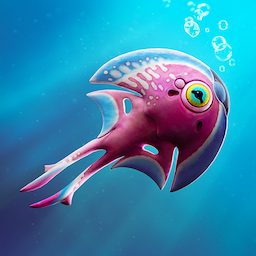
*Megahecaspid aster*. A colony of shell-forming, algae-like organisms analogous to Earth's haptophytes or coralline algae. 1. Megahecaspid A colony of hecaspids — organisms with fatty or starchy interiors surrounded by many shields of calcium carbonate. 2. Bacterial symbiote These hecaspids use internal bacterial reservoirs to feed on sunlight, chemical, or even radiation. (Electrical feeding is theoretically possible but not yet observed.) 3. Nutrient trove The interior of the colony is a reservoir of high-density food storage. An appropriate nickname might be 'sea tuber' (not to be confused with the nickname for deep-sea metallic nodules). Assessment: positive sign for biodiversity. Await further updates.

麦汁藻
类似海带

麦汁藻

植物群

*Wort wort*. One of the first kelplike organisms encountered on this world (provisional designation: *kaulos*). Like kelps, it is a large algae, not a plant. Rather than photosynthesis. the wort wort generates energy through fermentation. 1. Living fermenter Fermentation is metabolism without oxygen. Though slow, it produces energy-rich alcohols. The wort wort's bulbs (or worts) contain wort (a sugary fluid) which is fermented by symbiotic bacteria into alcohol. The wort wort collects biomatter too tough for other digest to decay as mash for its wort. 2. Animal genetics The biochemical processes used by the wort wort are derived from fish muscle cells. This is difficult to explain, given that the two branches of life must have diverged billions of years ago. 3. Dark sign The wort wort thrives in low-oxygen oceans. Whether deoxygenation occurred in the past or is only now beginning requires further analysis. Assessment: slowly contributes energy to the ecosystem by recycling dead matter. Possibly a sign of a past or future mass extinction.

Feather Kelp
类似海带 即将进入

Feather Kelp

植物群
Fern Kelp
类似海带 即将进入

Fern Kelp

植物群
伪裂变鼓
原生生物

伪裂变鼓

植物群

Tentatively *Polymephycite tympanum*. Not animal, plant, or fungus, but a fourth category of complex life analogous to Earth protists. 1. Central structure The central stipe is a biopolymer akin to chitin or keratin held upright by a beard of air-filled sacs (pneumatocysts). 2. Dual feeding strategy Photosynthesis is the primary nutrient source, but cave-dwelling drums subsist on dissolved nutrients. 3. Reactor glow Adults develop a large bioluminescent swelling called a sprangia. Its blue light precisely mimics the Cherenkov radiation of a nuclear fission reactor immersed in seawater. Assessment: further investigation required. Await further updates.

水华分泌液
绽放

水华分泌液

植物群

A water slug (Seaslug hydroclast) infected by an aggressive bacterial bloom and trapped in its own secretions. 1. Living water slug The slug is suffocating in a mass of sap-like resin secreted by its infected desalination organs. Probable infection vector: bacterial bloom in seawater. 2. Hardened saplike secretion The terpene-rich resin is produced by bacteria infecting the water slug. The process requires oxygen, which the bacteria steal from the slug or any other available source. The resin slowly hardens, but could easily be cleared by cutting and scraping. It serves no obvious adaptive function. 3. Viral anomaly Although the seawater in this region is saturated with a large RNA virus (generated name: Proteavirus), the bacteria infecting this sea slug carry a distinct viral strain (generated name: Proteavirus beta) that may be associated with bacterial blooms. Assessment: evidence of ecological crisis. Slug may be freed with appropriate tools. Consider limiting water intake from infected slugs.

水华溃疡
绽放

水华溃疡

植物群

This chimeric organism (Viroblast gaggraina) is a feeding and reproduction site for a large RNA virus (generated name: Proteavirus beta). It is a colony of funnel-shaped cells similar to Earthly choanoflagellates. 1. Natural origin The canker's cells are infected by the Proteavirus beta strain, which modifies their behavior and gene expression. The cells work together to form a slime mold. 2. Structural slime The slime mold uses glue borrowed from clam anchor proteins to grow a holdfast stalk and numerous sporangia (fruiting bodies) too tough to be cut with hand tools. 3. Viral crystals The canker stores solid crystals of Proteavirus beta virion. When the canker feeds, it releases Proteavirus beta into the seawater, then soaks up killed microorganisms. These crystals are vulnerable to high-frequency sonic resonance. 4. Network effect The canker grows towards other infected organisms, transferring nutrients and electrical current. If the viral bloom ecosystem is a body, these cankers are both mouth and gonad. 5. Protective shell Cankers grow a tough, crablike shell using genes from other Proteavirus beta-infected organisms. Pores in the shell provide excellent sonic insulation, but the canker cannot feed with its shell closed. Assessment: primary feeding site for ecologically dubious viral bloom. Destroy when opened. Destruction may help nearby infected organisms clear the virus.

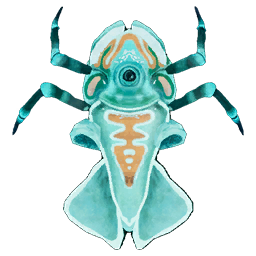
小苍兰
可种植

小苍兰

植物群 · 97 地图点

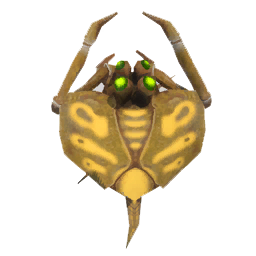
小苍兰花是一种可种植的变种,由项目下的项目数据列出。它将野生资源与基于种植园的收获和相关制作数据联系起来。

地图植物区系

Cg Bulb Flower

植物群 · 30 地图点