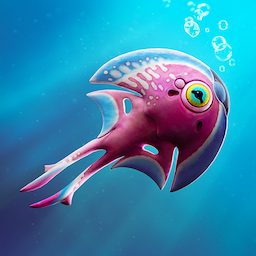
*Gorgon mastix*, the whip gorgon. A soft coral similar to the earthly gorgonians — it lacks the hard limestone shell of a true reefbuilding coral.
1. Earthly namesake Named for the extinct *Leptogorgia virulata*, Earth's sea whip. Like the sea whip it is a predator, and it must defend its soft body from parasites and predation.
2. Spine defenses Unlike the terrestrial sea whip, which developed a chemical arsenal to repel unwanted contact, the whip gorgon colony has developed specialized 'soldier' polyps which migrate to the surface and develop a brittle spine. When disturbed, this spine snaps off, releasing the soldier's payload of toxins. It is impossible to project the effects of this sting on colonists, but mechanical similarities to the infamous Australian gympie-gympie plant suggest negative outcomes ranging from chronic agony to total sleep deprivation lasting weeks to years.
3. Carnivorous diet 'Civilian' polyps in the whip gorgon use their stings to kill and digest microscopic prey. They lack the brittle spine and powerful toxins of the soldier polyp.
ASSESSMENT: Avoid contact. Consider pruning back with hand tools.